
Fire safety for different types of commercial premises
The Regulatory Reform (Fire Safety) Order 2005 applies to almost every non-domestic building in England in the same way, but what it asks the responsible person to do looks different from one premises type to the next. An office with a few dozen desk-based staff carries a different fire risk to a warehouse stacked with racking, a care home with residents who cannot evacuate unaided, or a Georgian building with lath and plaster walls. The law does not change. The right combination of fire risk assessment, detection, escape provision and containment does.
This section sets out how we approach fire safety for the premises types we work with most often, and links through to the relevant fire safety and security services for each. If you already know your building type, jump to the section below. If you want the wider picture of how a risk assessment, alarm, doors and escape lighting fit together first, our fire safety page covers that.
Get a free quote

Tell us about your premises
🔒 Free, no-obligation. We reply within 1 working day. No spam, ever.
- 20+ years’ experience
- Electrical Installation Certified
- ECS card holders
- JIB
- IPAF
- Constructionline
- Chamber of Commerce member

Industries and premises we work with


Industries and premises we work with
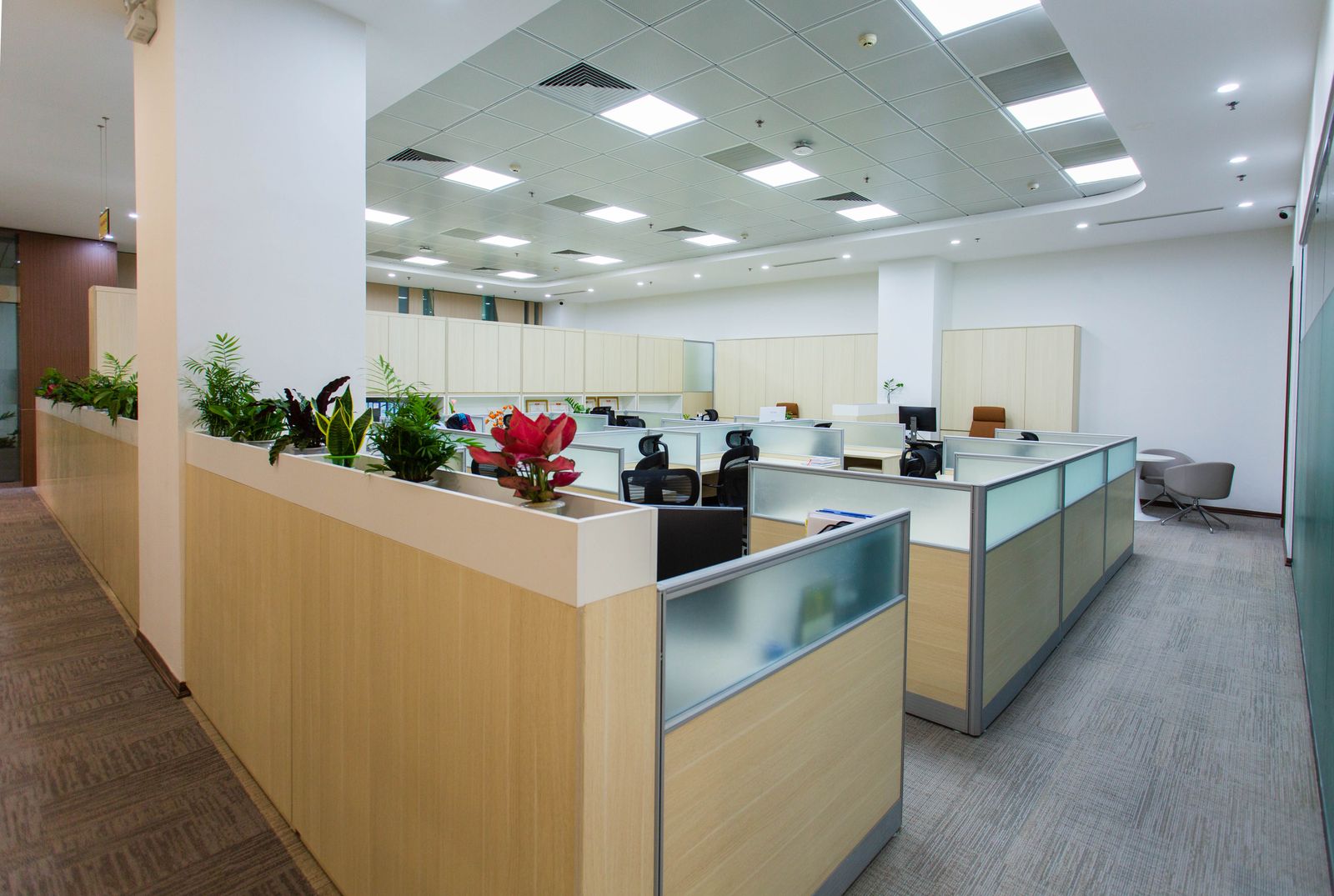
Offices
Office buildings usually carry a lower physical fire risk than industrial or retail premises, but density of occupation, partitioned layouts and the volume of electrical equipment and cabling still need to be accounted for. Multi-tenant and serviced office buildings add a further layer, since escape routes, alarm zoning and fire door provision often have to work across separate tenancies with a shared landlord responsibility. We work with office occupiers, landlords and managing agents on fire risk assessments, fire alarm systems and fire doors suited to how the building is let and used. Read more on our offices page.
Retail
Retail premises bring members of the public onto site in numbers that vary through the day and the year, many of whom have never been in the building before and would not know an escape route without clear signage. Flammable stock, stockrooms packed close to escape corridors, and food preparation areas in larger units all add to the hazard picture, and busy trading floors make detection and clear escape provision harder to get wrong. Our fire alarm, emergency lighting and fire extinguisher work for retail premises is built around public occupancy rather than a staff-only building. Read more on our retail page.
Warehouses and distribution
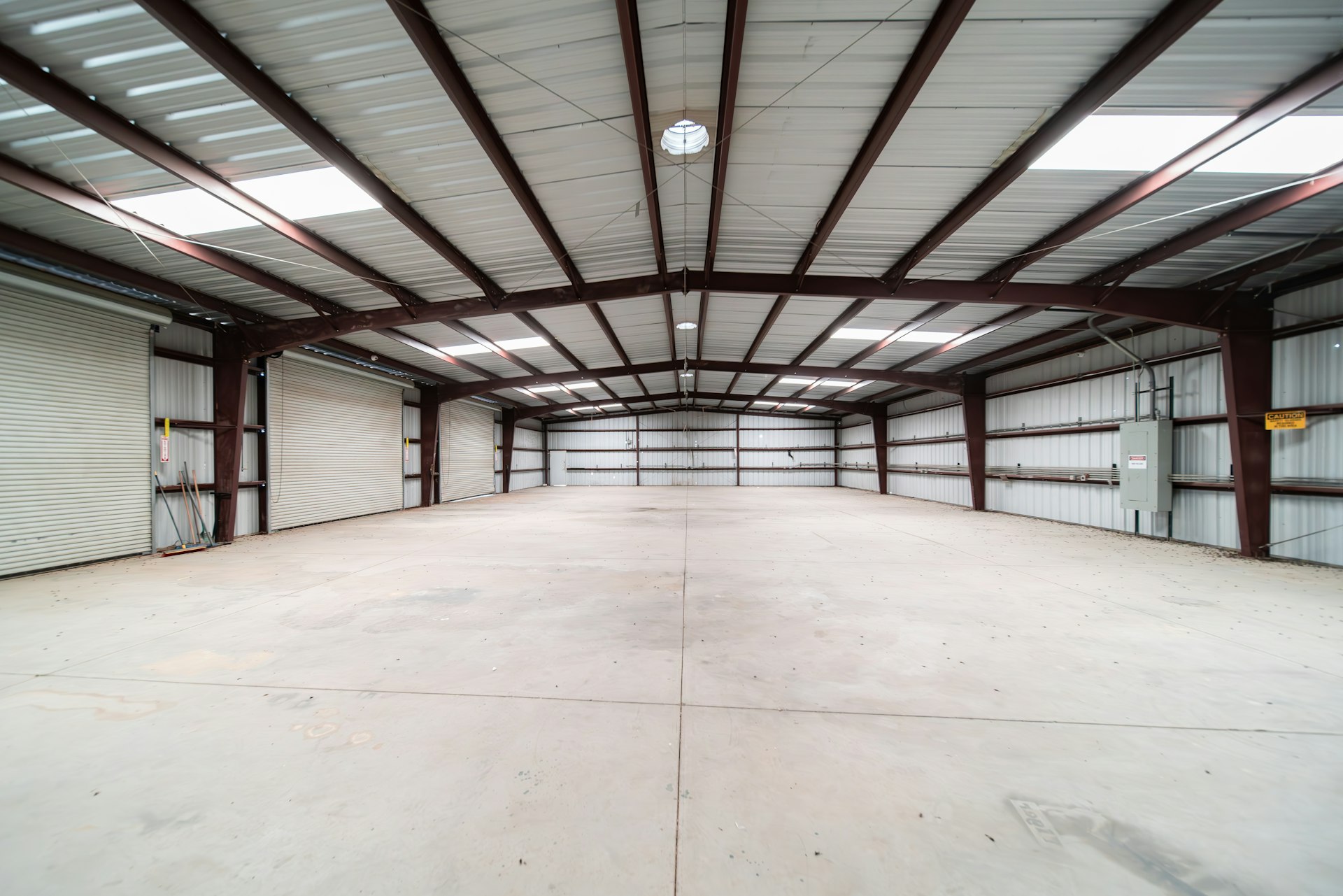
Warehouses concentrate a lot of combustible material, racking, packaging and stored goods, into a large open volume, often with limited compartmentation and long travel distances to a final exit. Forklift charging points, mezzanine storage and high-bay racking each change how a fire could start and how quickly it could spread, which makes detector type and coverage, not just detector count, a genuine design decision. We design fire alarm systems and advise on fire-stopping and passive fire protection with that racking and storage layout in mind. Read more on our warehouses page.
Industrial and manufacturing
Manufacturing and process environments bring machinery, heat sources, dust and sometimes flammable or hazardous materials into the same fire safety picture as a standard commercial building, but with hazards a generic assessment would miss. Shift patterns, plant that keeps running unattended, and mixed use of office and production space on one site all affect how detection, escape and extinguisher provision need to be arranged. We assess and specify fire alarm and extinguisher provision against the specific processes and materials on site rather than the building’s floor area alone. Read more on our industrial premises page.
Hospitality
Hotels, pubs, restaurants and event venues combine sleeping accommodation or large public gatherings with commercial kitchens, and often operate at hours when staffing levels drop. Guests unfamiliar with the building, the risk of fire starting in a kitchen, and the need for escape routes and alarm coverage that work when a building is at its busiest all shape what a hospitality venue needs. We work with hospitality operators on fire alarm systems, emergency lighting and fire door provision that accounts for overnight occupancy and public areas together. Read more on our hospitality page.
Care premises
Care homes and supported living settings house residents who may not be able to evacuate independently in a fire, which changes the entire approach to fire safety compared with a building where everyone can walk to an exit unaided. Progressive horizontal evacuation, where residents are moved through compartments rather than out of the building immediately, depends on fire doors and compartmentation performing exactly as designed, alongside a detection system suited to the layout. We work on fire risk assessments, fire doors and fire alarm systems for care settings with that evacuation strategy in mind. Read more on our care premises page.
Education
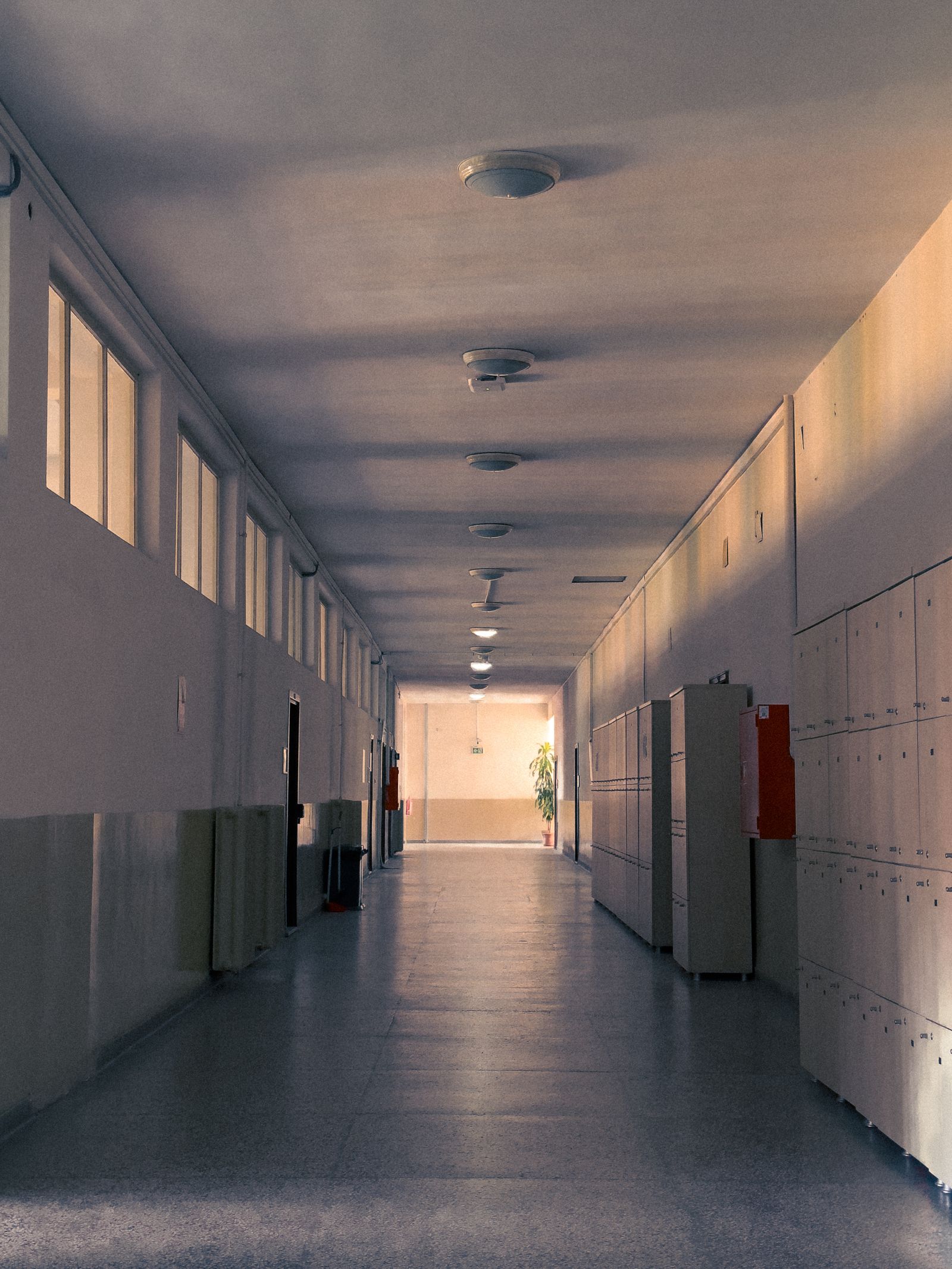
Schools, colleges and other education settings combine high occupancy with young people who need clear, well-rehearsed evacuation procedures, plus a mix of teaching spaces, science and technology areas, kitchens and sports facilities under one roof. Holiday periods, out-of-hours lettings and phased building works common on education sites all affect how a fire safety system needs to be managed day to day. We support education premises with fire alarm, emergency lighting and fire extinguisher provision, and with the ongoing servicing that keeps a system compliant through the school year. Read more on our education page.
Healthcare
Healthcare premises, from GP surgeries and clinics to larger care and treatment facilities, mix patients with limited mobility, specialist equipment and, in some settings, continuous occupation with the same evacuation challenges found in care premises. Clinical areas can also rule out standard installation methods where equipment, hygiene requirements or continuity of care limit what work can be done and when. We plan fire alarm and fire door work for healthcare premises around clinical operation and the needs of patients who cannot self-evacuate. Read more on our healthcare page.
Have a question about your building?
Heritage and listed buildings
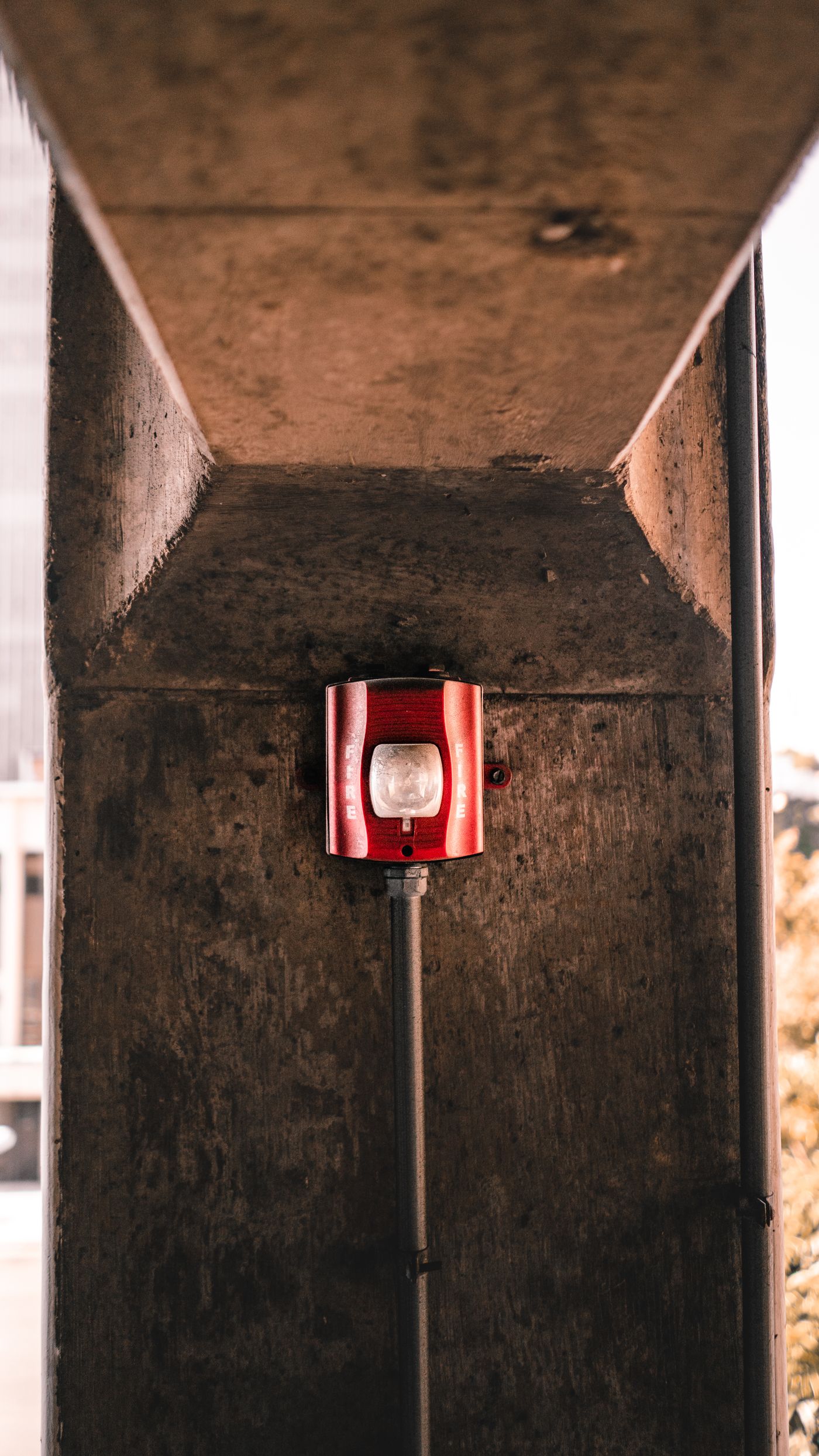
Any of the premises types above can also be a heritage or listed building, and when that is the case, the building’s age and protected status add a further set of constraints on top of its use. Original joinery, decorative plasterwork and hidden voids all limit how detection, doors and lighting can be installed, and alterations often need listed building consent before work starts. We cover this in detail on our heritage and listed building fire safety page, which sits alongside the premises types above rather than replacing them.
Not sure what your building needs?
Tell us about your premises and we will point you in the right direction. Free, no obligation.
Getting the right combination for your building

Most of the value in matching fire safety measures to premises type comes from doing the fire risk assessment first and letting the findings drive the specification, rather than starting from a list of products. From there, the services on this site, fire alarm systems, fire extinguishers, emergency lighting, fire doors and passive fire protection, and commercial intruder alarms where security is part of the picture, combine differently depending on what the assessment finds.
If you manage a portfolio that spans several of the premises types above, one point of contact covering all of them makes it easier to keep servicing dates and compliance records consistent across sites.
Tell us about your premises, what it is used for and what is already in place, and we will talk you through what it needs. We work with businesses across Birmingham, Walsall, Worcester, Worcestershire, Gloucester, Gloucestershire, South Gloucestershire, Herefordshire.
Talk it through with someone who does this every day.
Speak to Chief Fire Safety
Tell us about your premises and what you need, and we will get back to you to arrange the next step.