
Fire safety for care premises
A care home or supported living setting cannot rely on the assumption that sits behind most commercial fire strategies: that everyone present can hear an alarm, understand what it means and get themselves to a final exit. Many residents cannot do one or more of those things unaided, whether because of reduced mobility, dementia or another cognitive impairment, or because they are in bed when a fire starts. That changes what a fire risk assessment, an alarm system, a set of fire doors and a lighting scheme all have to achieve, and it is why we treat care premises as a distinct category rather than applying a standard commercial approach.
This page sets out the factors that shape fire safety in care settings and how our core services apply to them. For the wider picture of how a risk assessment, alarm, doors and escape lighting fit together, see our fire safety overview.
Get a free quote

Tell us about your premises
🔒 Free, no-obligation. We reply within 1 working day. No spam, ever.
- 20+ years’ experience
- Electrical Installation Certified
- ECS card holders
- JIB
- IPAF
- Constructionline
- Chamber of Commerce member


What makes care premises fire risk different

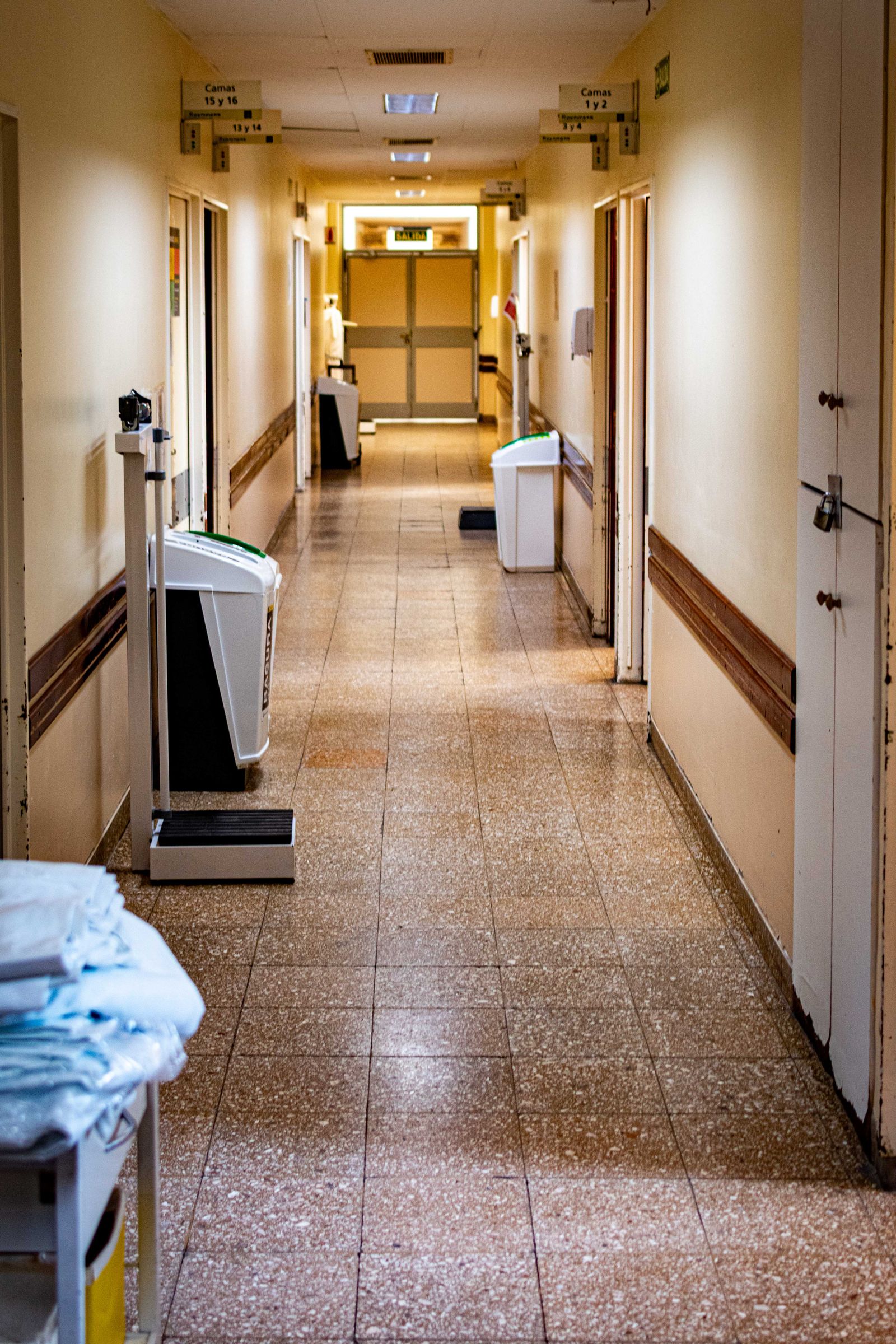
Resident vulnerability runs through every part of a care home’s fire strategy. Reduced mobility, dementia and other cognitive impairments mean a proportion of residents cannot self-evacuate in a fire, and some cannot follow an instruction to move even with encouragement. A fire risk assessment for a care setting has to work from the actual dependency level of the people living there, not an assumed average, because two homes with the same bed count can need very different staffing and evacuation arrangements depending on who lives in them.
That dependency is why most care homes evacuate progressively rather than all at once. Progressive horizontal evacuation moves residents through fire doors into an adjoining, fire-resisting compartment on the same floor rather than out of the building immediately, buying time without asking staff to move everyone down a stairwell in one go. It only works if the compartmentation, the fire doors and the staff response are all doing their part, which is why we come back to those three things throughout this page.
Staff dependency is the practical reality behind that strategy. Where residents cannot evacuate themselves, staff on duty are the ones who identify a fire, raise the alarm, move residents who need help and follow the evacuation plan. Staffing levels are lower overnight than during the day in most care settings, at the point when most residents are also in bed and least likely to notice a developing fire themselves, so a strategy built around daytime staffing will not necessarily hold up at 3am.
Sleeping risk therefore applies across most of the day in a care home in a way it does not in an office or a shop. Residents may be resting in their rooms at any hour, not only overnight, and a fire safety strategy has to assume that detection, escape provision and staff response all need to work whether it is midday or the middle of the night.
Have a question about your building?
Fire risk assessment for care premises
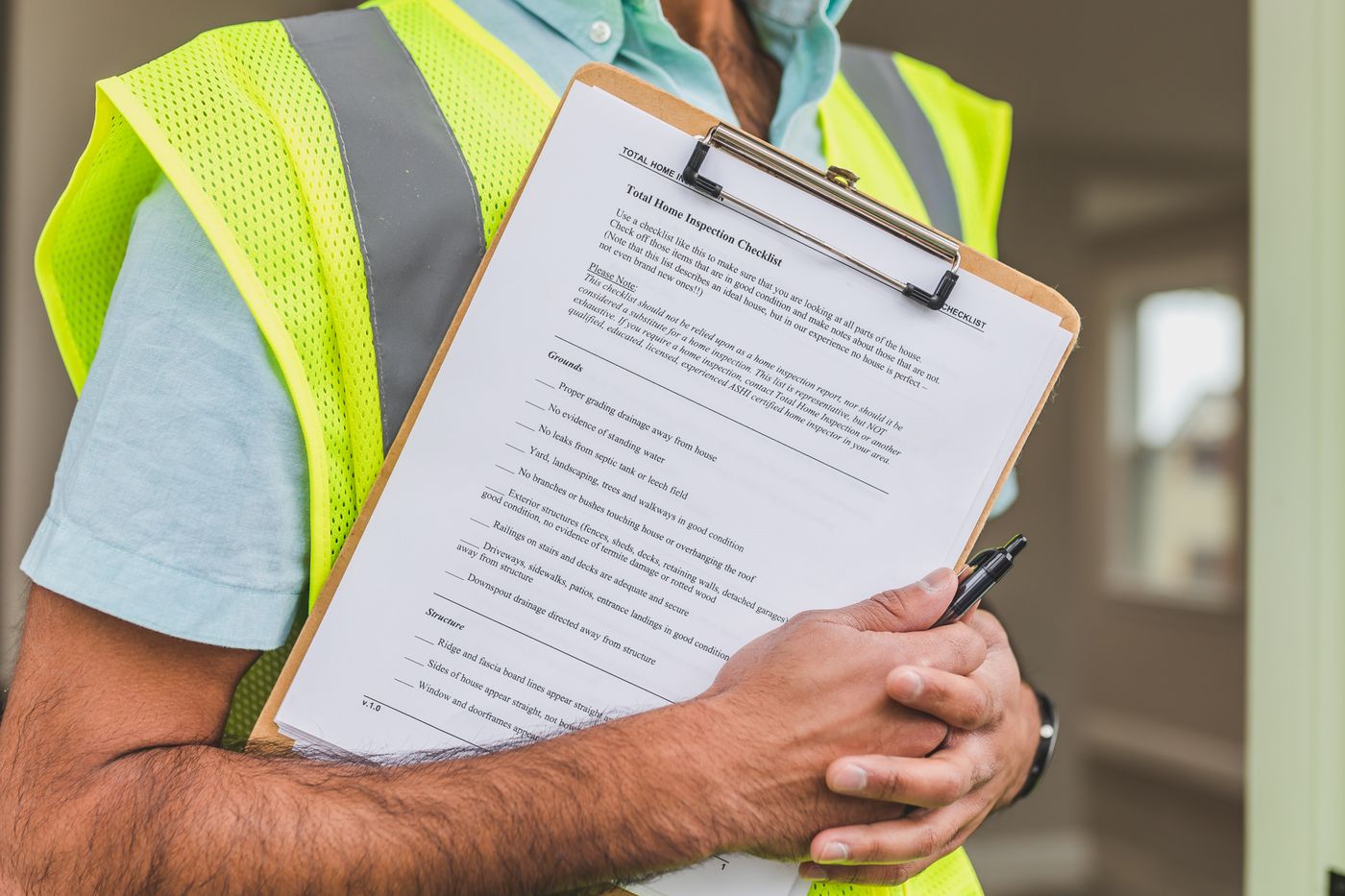
A fire risk assessment is where a care home’s fire strategy starts, because it is what establishes the evacuation approach the rest of the building’s fire safety measures need to support. For a care setting, that means looking at the dependency and mobility of current residents room by room, staffing levels by shift, the layout and integrity of fire compartments, and how a progressive horizontal evacuation would actually work floor by floor if it were needed.
Since 1 October 2023, changes made by section 156 of the Building Safety Act 2022 have required the responsible person for any non-domestic premises, including a care home, to keep a full written record of the fire risk assessment and the fire safety arrangements in place. For a care setting, that record needs to reflect resident dependency and staffing arrangements as they stand at the time, since both can change as residents are admitted, move on or their needs change.
Not sure what your building needs?
Tell us about your premises and we will point you in the right direction. Free, no obligation.
Fire alarm systems for care settings

Detection in a care home has to reach residents who may not notice a developing fire themselves and alert staff quickly enough to act on their behalf. A fire alarm system designed for a care setting, in line with BS 5839-1, needs to cover bedrooms, communal areas and staff-only spaces, with a design that reflects sleeping risk throughout rather than only overnight. Once a system is in, our fire alarm servicing and maintenance keeps it tested to the schedule BS 5839-1 sets out, and clear zone plans let staff identify which room, corridor or compartment an activation relates to without searching room by room, which matters when moving quickly to the right location is what a progressive horizontal evacuation depends on.
Talk it through with someone who does this every day.
Emergency lighting for corridors and communal areas

A resident with reduced mobility or cognitive impairment relies far more heavily on clear, consistent lighting to move safely than someone who could otherwise find their own way in the dark. Emergency lighting, designed and maintained to BS 5266-1, needs to cover bedroom corridors, stairwells, communal lounges and dining areas, and the routes staff use to move residents between compartments during a progressive horizontal evacuation, so that lighting failure does not add confusion to a situation that already needs a calm, practised response.
Fire doors and compartmentation

Fire doors carry more weight in a care home than in almost any other premises type, because progressive horizontal evacuation depends entirely on compartments holding back fire and smoke for as long as they are designed to. Our fire doors service covers supply, installation and inspection of door sets rated to what the building needs, and we pay particular attention to the issues that quietly undo a compartmentation strategy: doors wedged open for ease of access, self-closers that have been disconnected or are not closing fully, and seals damaged through daily use. A fire door that does not close is not a smaller version of the protection it is meant to provide. It provides none.
Want a price for your premises?
Speak to a fire safety expert
Talk it through with our team. We reply to every enquiry within 1 working day.
Fire extinguishers and staff response
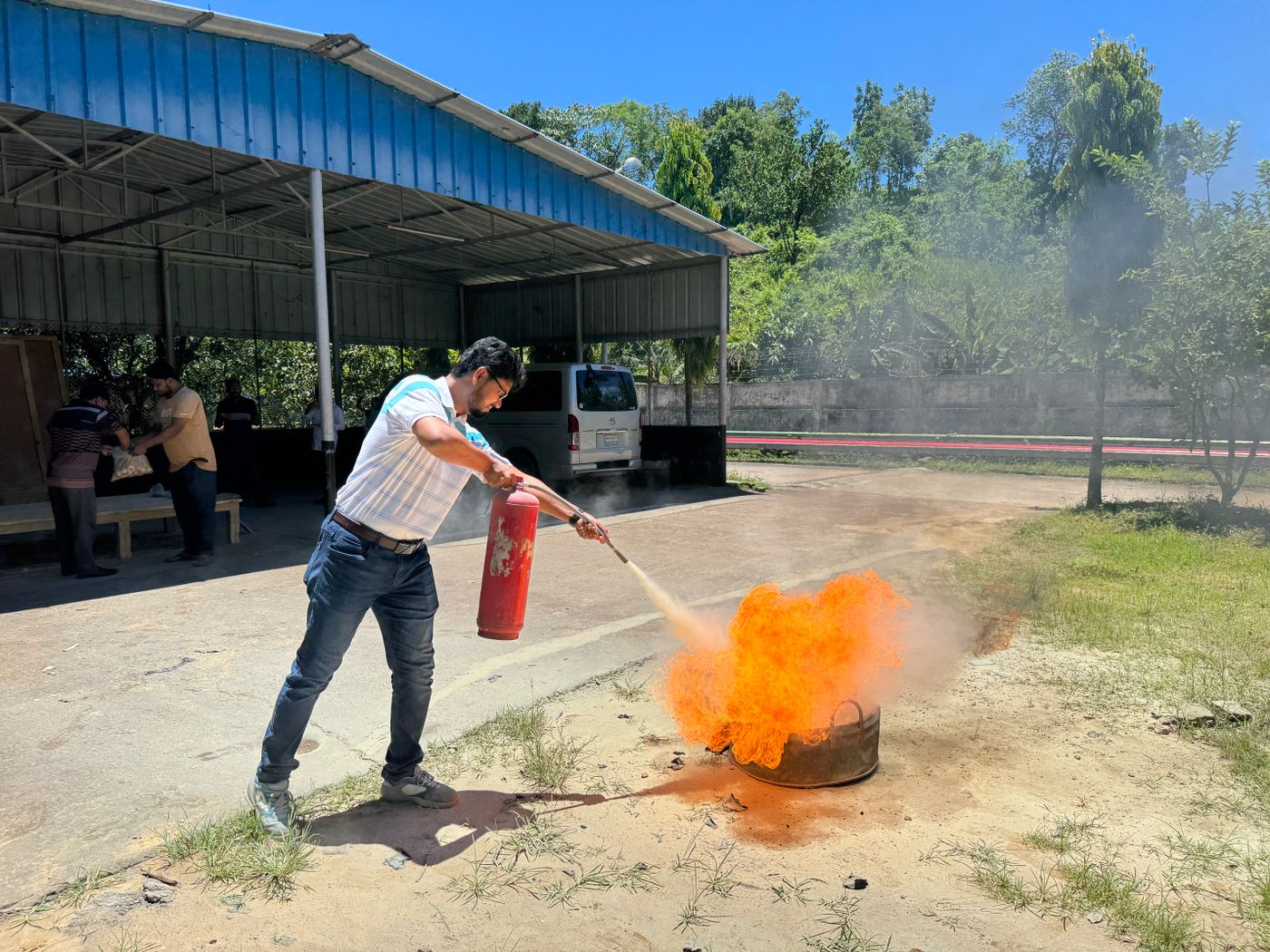
Fire extinguishers still have a place in a care home, typically for staff to use on a small fire in its earliest stages before it develops, alongside kitchen and laundry areas that carry their own equipment-related risks. Our fire extinguishers service supplies and services extinguisher types matched to where they are sited, serviced in line with BS 5306-3, so that what is on the wall works when someone needs it.
Keeping care premises fire safety compliant over time
Resident dependency in a care home changes as people are admitted, their needs progress or they move on, and staffing patterns can shift too. Reviewing your fire risk assessment when resident dependency changes materially, and keeping servicing records up to date across alarms, doors, lighting and extinguishers, is what keeps a care setting’s fire safety arrangements matched to the people actually living there, rather than reflecting how the building was occupied when the assessment was last done.
Tell us about your care premises, the building layout and how it is staffed, and we will talk you through what it needs. We work with care providers across our service locations, including Birmingham, Walsall, Worcester, Worcestershire, Gloucester, Gloucestershire, South Gloucestershire, Herefordshire.
Prefer us to look at it on site?
Speak to Chief Fire Safety
Tell us about your premises and what you need, and we will get back to you to arrange the next step.