
Fire safety for education premises
A school or college has to get a lot of children or young people out of a building safely, often with corridors, stairwells and assembly points designed decades before current pupil numbers were ever anticipated. Unlike an office or a shop, the people being evacuated are not necessarily able to assess a situation and act on their own judgement, which puts more weight on drilled routine, clear signage and a fire alarm that works exactly as everyone has practised. Term-time occupancy, long unoccupied holiday periods and specialist teaching spaces each add their own layer to what a fire risk assessment has to cover.
This page sets out the factors that shape fire safety on education premises and how our core services apply to them. For the wider picture of how a risk assessment, alarm, doors and escape lighting fit together, see our fire safety overview.
Get a free quote

Tell us about your premises
🔒 Free, no-obligation. We reply within 1 working day. No spam, ever.
- 20+ years’ experience
- Electrical Installation Certified
- ECS card holders
- JIB
- IPAF
- Constructionline
- Chamber of Commerce member


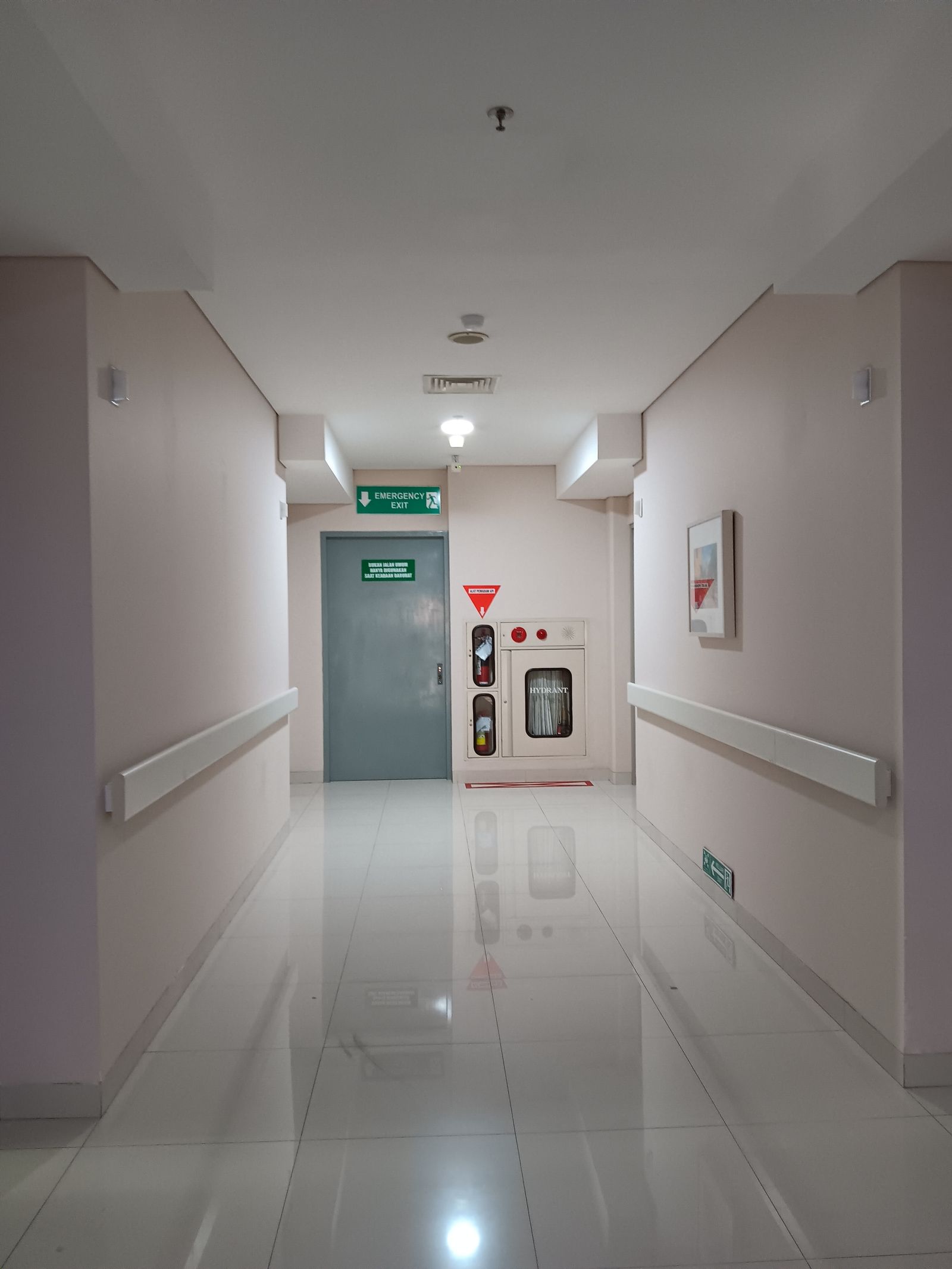
What makes education premises fire risk different
Occupancy on a school or college site is high relative to floor area for most of the day, and a significant proportion of that occupancy is made up of children or young people who need clear, well-rehearsed evacuation procedures rather than an assumption that they will find their own way out. That is why fire drills matter more here than in most commercial settings: pupils and students need to know the route from their classroom to the assembly point before they ever need to use it in earnest, and staff need to know how to account for a class register once everyone is outside.
Specialist teaching spaces add hazards a generic office or retail assessment would not encounter. Science laboratories involve gas supplies, chemicals and heat sources. Design and technology workshops bring machinery, dust extraction and sometimes welding or soldering equipment into the building. Art rooms can involve solvents, kilns or other heat-producing equipment. Kitchens, whether serving a full catering operation or a smaller preparation area, sit alongside general teaching space rather than being isolated from it in the way a standalone commercial kitchen might be.
Building use also changes through the year in a way most commercial premises do not experience. A school or college is at its busiest during term time, largely empty during holiday periods, and often in between the two during exam seasons or staff-only inset days. An unoccupied building over a summer holiday still needs a working fire alarm and a maintained means of escape, even though nobody is walking those corridors day to day, and servicing visits often have to be scheduled around the academic calendar rather than a standard commercial pattern.
Out-of-hours community use adds a further layer on many sites. Halls, sports facilities and meeting rooms let out to community groups, clubs or evening classes bring people onto the premises who do not know the building the way pupils, students and staff do, at times when fewer staff are present to manage an evacuation. A fire risk assessment needs to account for who is actually in the building at any given time, not only during the school day.
Have a question about your building?
Fire risk assessment for education premises

A fire risk assessment is where an education premises fire strategy starts, because it establishes how the building is actually used across a full year rather than on a single day of inspection. For a school or college, that means looking at pupil or student numbers by area, the layout and hazards of specialist teaching spaces, how evacuation drills are run and recorded, and how the building is used outside normal teaching hours.
Who holds responsibility as the responsible person under the Regulatory Reform (Fire Safety) Order 2005 depends on the type of school. In a maintained school, responsibility is typically shared between the local authority as building owner and the headteacher and governing body as day-to-day operators. In an academy, multi-academy trust or independent school, the responsible person is usually the trust, governing body or proprietor. Since 1 October 2023, changes made by section 156 of the Building Safety Act 2022 have required the responsible person for any non-domestic premises, including education buildings, to keep a full written record of the fire risk assessment and the fire safety arrangements in place.
Not sure what your building needs?
Tell us about your premises and we will point you in the right direction. Free, no obligation.
Fire alarm systems for schools and colleges

A fire alarm system on an education site, designed in line with BS 5839-1, needs to cover classrooms, corridors, halls, specialist teaching areas and any parts of the building let out for community use, with a design that reflects how those spaces are actually occupied through the week. Clear zone plans let staff identify which part of a large or spread-out site an activation relates to, which matters when a fast, coordinated response is what keeps an evacuation orderly rather than confused.
Once installed, a system only stays effective if it is tested and serviced on the schedule BS 5839-1 sets out, ideally arranged around the academic calendar so that routine servicing does not clash with exam periods or the start of term. Our fire alarm servicing and maintenance covers those periodic visits, and where a site goes largely unoccupied over the summer holiday, keeping the alarm tested and any monitoring arrangement in place matters just as much as it does during term time.
Talk it through with someone who does this every day.
Emergency lighting for corridors and assembly routes

Corridors, stairwells and assembly routes on an education site need to stay usable if the power fails during an evacuation, particularly in older buildings with fewer windows along internal circulation routes. Emergency lighting, designed and maintained to BS 5266-1, needs to cover escape routes, assembly points reached from inside the building, and any area over 60 square metres, including halls used for assemblies or let out for community events in the evening.
Fire doors in schools and colleges

Fire doors carry a lot of the compartmentation strategy in a school or college, since a building with hundreds of occupants and long corridors depends on doors holding back fire and smoke for the time an evacuation is designed to take. Our fire doors service covers supply, installation and inspection of door sets rated to what the building needs. Doors propped open between lessons for ease of movement, self-closers that have been disconnected, and damaged seals are common findings on education premises, and each one removes part of the protection the door is there to provide.
Want a price for your premises?
Speak to a fire safety expert
Talk it through with our team. We reply to every enquiry within 1 working day.
Fire extinguishers for education premises
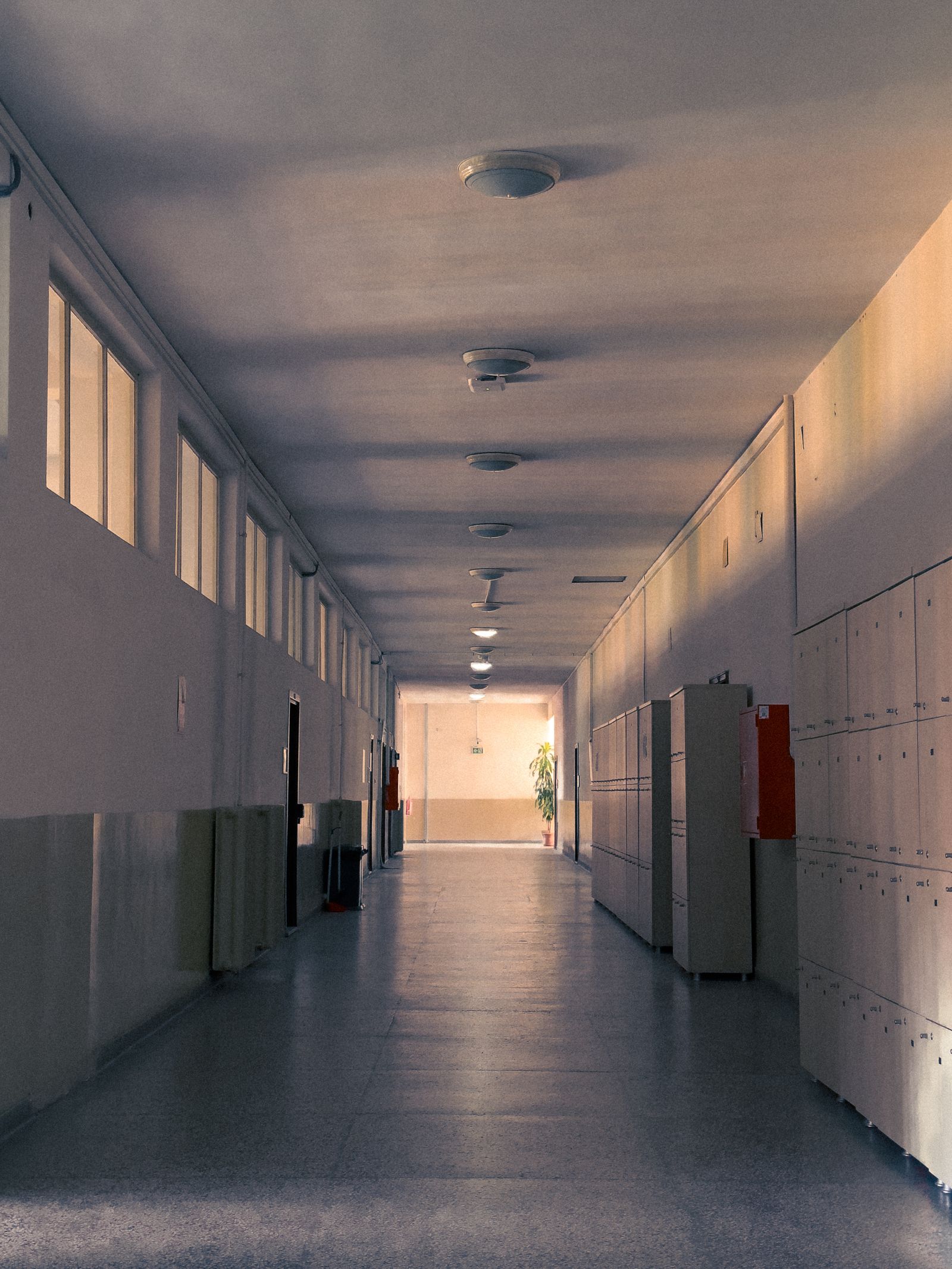
Fire extinguisher provision on an education site needs to reflect a mix of risk types across one building: general classroom and office fire risk alongside science laboratories, design and technology workshops and kitchen areas, each of which can call for a different extinguisher type. Our fire extinguishers service supplies and services extinguishers matched to where they are sited, serviced in line with BS 5306-3.
Keeping education fire safety compliant through the school year
Pupil or student numbers, room use and out-of-hours lettings can all change from one academic year to the next, and each change can affect whether an alarm’s zoning, a fire door schedule or an emergency lighting layout still matches how the building is used. Reviewing your fire risk assessment when building use changes materially, and scheduling alarm, door, lighting and extinguisher servicing around the academic calendar rather than against it, is what keeps a school or college compliant rather than accurate only on the day the assessment was carried out.
Tell us about your school or college, how the building is used across the year and what is already in place, and we will talk you through what it needs. We work with education premises across our service locations, including Birmingham, Walsall, Worcester, Worcestershire, Gloucester, Gloucestershire, South Gloucestershire, Herefordshire.
Prefer us to look at it on site?
Speak to Chief Fire Safety
Tell us about your premises and what you need, and we will get back to you to arrange the next step.