Fire extinguishers for commercial buildings
A fire extinguisher is the first line of defence between a fire starting and it becoming one the fire and rescue service has to deal with. Used correctly, on a fire it is suited to, an extinguisher can put out a small ignition before it spreads. Used on the wrong type of fire, it can make things worse or put the person holding it at risk. That is why the type, number and position of extinguishers in a commercial building is not a matter of just having some on the wall, it is something a fire risk assessment should determine and a competent person should install and maintain.
We supply, install and service fire extinguishers for offices, retail units, warehouses, industrial premises, schools and healthcare buildings, working from what a premises actually contains rather than a standard kit fitted regardless of the risks present. This page covers the fire classes extinguishers are rated against, the types available and what each suits, how we select and position them for a building, and the servicing that keeps them reliable under BS 5306-3. For the wider picture of how extinguishers fit alongside detection, escape routes and containment, see our fire safety page, and for the assessment that identifies what a building needs, see fire risk assessments. Contact us to discuss extinguisher provision for your premises.
Get a free quote

Tell us about your premises
🔒 Free, no-obligation. We reply within 1 working day. No spam, ever.
- 20+ years’ experience
- Electrical Installation Certified
- ECS card holders
- JIB
- IPAF
- Constructionline
- Chamber of Commerce member


Fire classes and why they matter
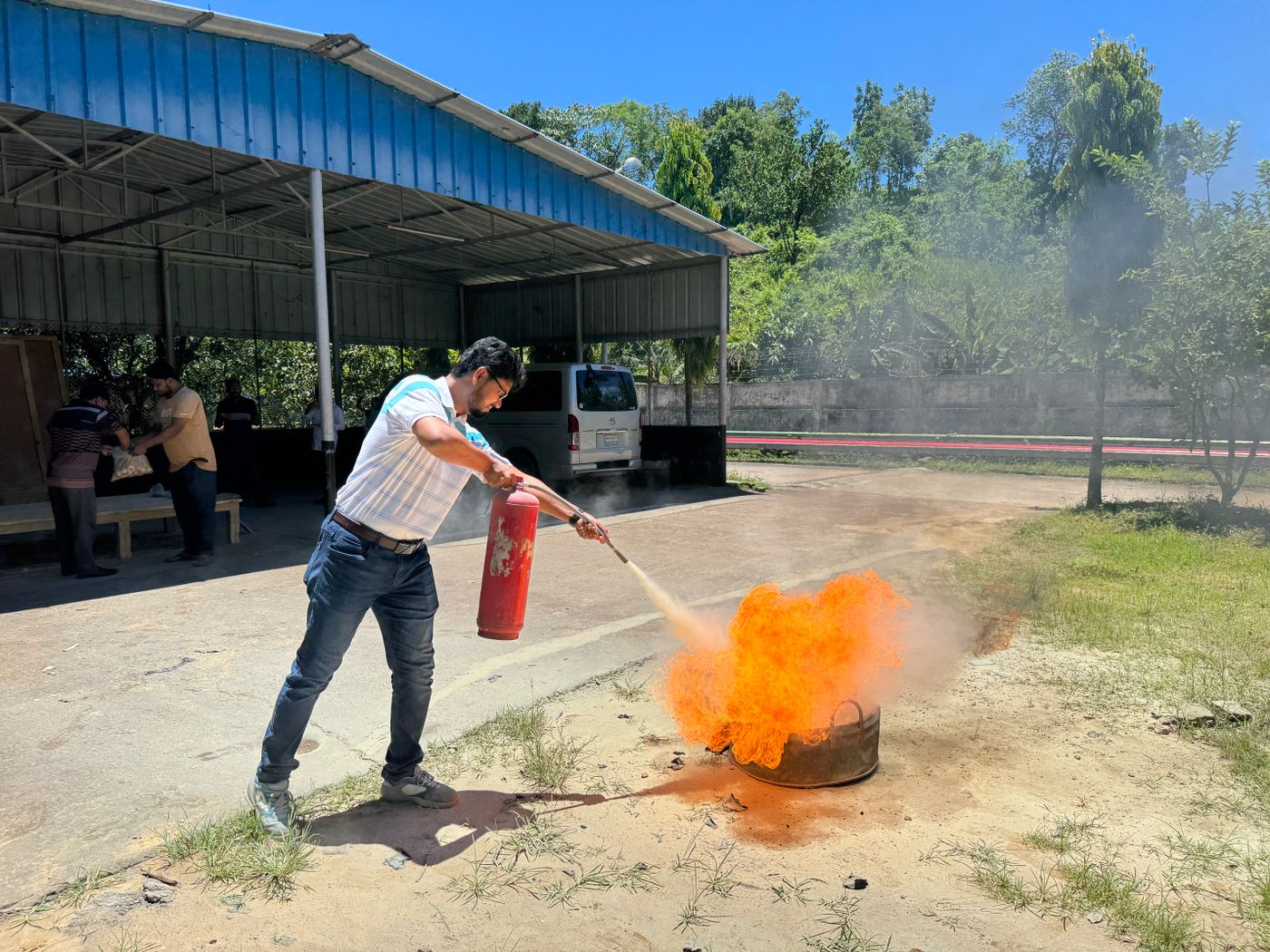
Fires are grouped into classes according to what is burning, because the same extinguishing agent does not work safely on every type of fuel. The classes used in the UK are set out in BS EN 2, and portable extinguishers are tested and labelled against them under BS EN 3:
- Class A covers ordinary combustible solids: wood, paper, cardboard, fabric and general furnishings, the fuel present in most offices, retail units and storage areas.
- Class B covers flammable liquids such as petrol, solvents, paints and thinners, relevant to workshops, industrial premises and stores holding these materials.
- Class C covers flammable gases, including propane, butane and methane, found where gas is stored or used in a process.
- Class D covers burning metals such as magnesium, aluminium swarf and other metal dusts or filings, a risk mainly confined to specific industrial and metalworking processes.
- Electrical fires are fires involving or close to live electrical equipment. There is no letter class for this in BS EN 2, though it was informally known as Class E, because electricity is an ignition source rather than a fuel. What matters for extinguisher choice is whether the agent conducts electricity: an extinguisher used near live equipment needs to be safe to use in that situation, not simply effective against whatever is burning.
- Class F covers cooking oils and fats, the fire risk in commercial kitchens with deep fat fryers or large-scale cooking equipment, where water-based agents are unsafe to use.
A building rarely presents only one of these risks. An office with a kitchenette, server room and general storage can have Class A, electrical and Class F risks in different areas, which is why extinguisher provision is assessed room by room rather than decided once for the whole premises.
Have a question about your building?
Extinguisher types and what they suit
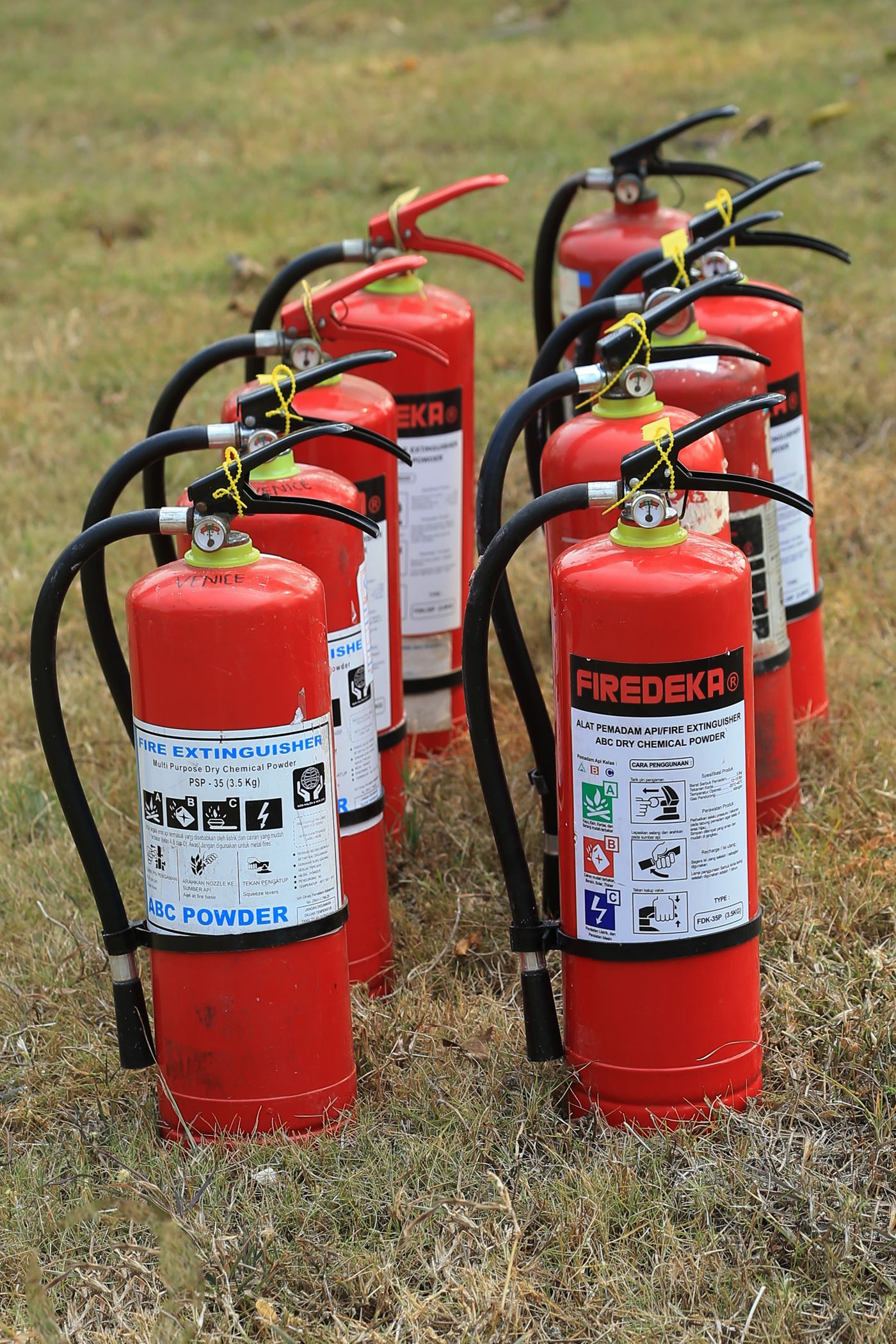
Each extinguisher type is designed around a particular class or combination of classes, identified by the coloured band on an otherwise red body under BS EN 3.
Water extinguishers (red body, no band or a red band) are effective on Class A fires only. They are not safe on flammable liquids, gases or electrical fires, and are typically placed where Class A materials are the dominant risk, such as general office and retail areas.
Foam extinguishers (cream band) cover Class A and Class B fires, making them a common choice where combustible solids and flammable liquids are both present. Some foam extinguishers are tested for use near electrical equipment, but this depends on the specific product and should not be assumed.
CO2 extinguishers (black band) are suited to Class B fires and are the standard choice near live electrical equipment, because the discharge does not conduct electricity and leaves no residue on sensitive equipment. They are common in server rooms, comms cabinets and areas with computer or electrical equipment, but are not effective on Class A fires involving deep-seated combustible materials.
Dry powder extinguishers (blue band) are rated for Class A, B and C fires and are sometimes described as multi-purpose for that reason. They are widely used in vehicle workshops, plant rooms and industrial premises with mixed risks, but powder is unsuitable for use in enclosed or occupied spaces, since discharge reduces visibility and can affect breathing, and it leaves a residue that can damage electronic equipment.
Wet chemical extinguishers (yellow band) are designed for Class F fires involving cooking oils and fats, and are also effective on Class A fires, making them the standard choice for commercial kitchens.
Specialist powder extinguishers exist for Class D metal fires, but these are only relevant to premises with that specific process risk and are not typically part of a general commercial provision.
| Type | Fire classes | Typical setting |
|---|---|---|
| Water | A | Offices, retail, general storage |
| Foam | A, B | Mixed combustible and flammable liquid risk |
| CO2 | B, electrical | Server rooms, comms cabinets, plant with live equipment |
| Dry powder | A, B, C | Workshops, plant rooms, industrial premises |
| Wet chemical | F, A | Commercial kitchens |
Not sure what your building needs?
Tell us about your premises and we will point you in the right direction. Free, no obligation.
Selecting extinguishers for your premises

The starting point for extinguisher provision is the fire risk assessment, which identifies what materials, processes and equipment are present in each part of a building and what could ignite them. From that, the number, type and size of extinguishers needed follows, rather than being decided in isolation. A warehouse with racking, a retail unit with a small staff kitchen and a server room within an office each need a different mix of extinguisher types, and sometimes more than one type in the same room to cover different risks that sit close together. We assess premises against what they actually contain and specify extinguishers accordingly, whether that is bringing an existing installation up to what the building now needs or specifying provision for a new fit-out.
Talk it through with someone who does this every day.
Positioning, quantity and signage
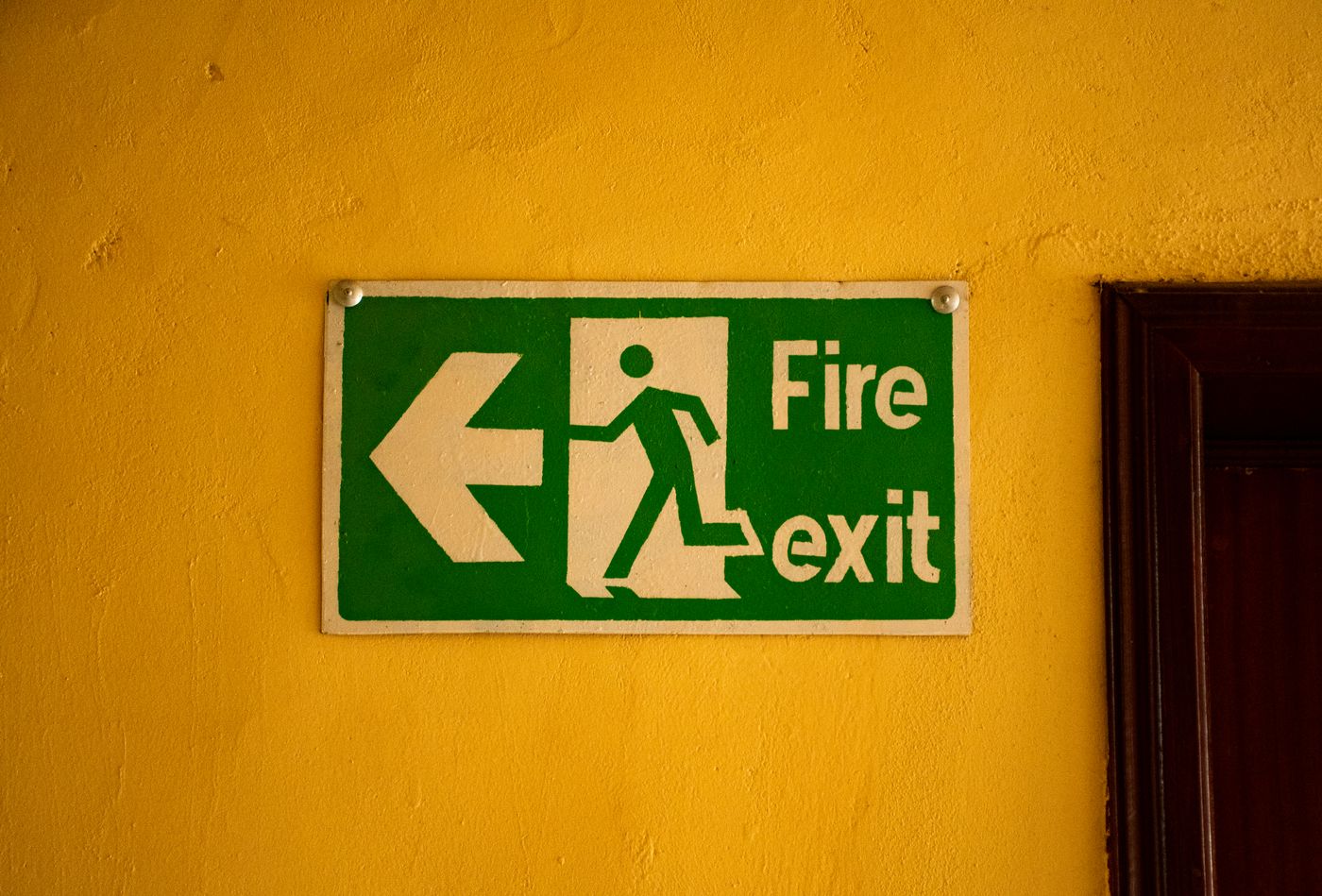
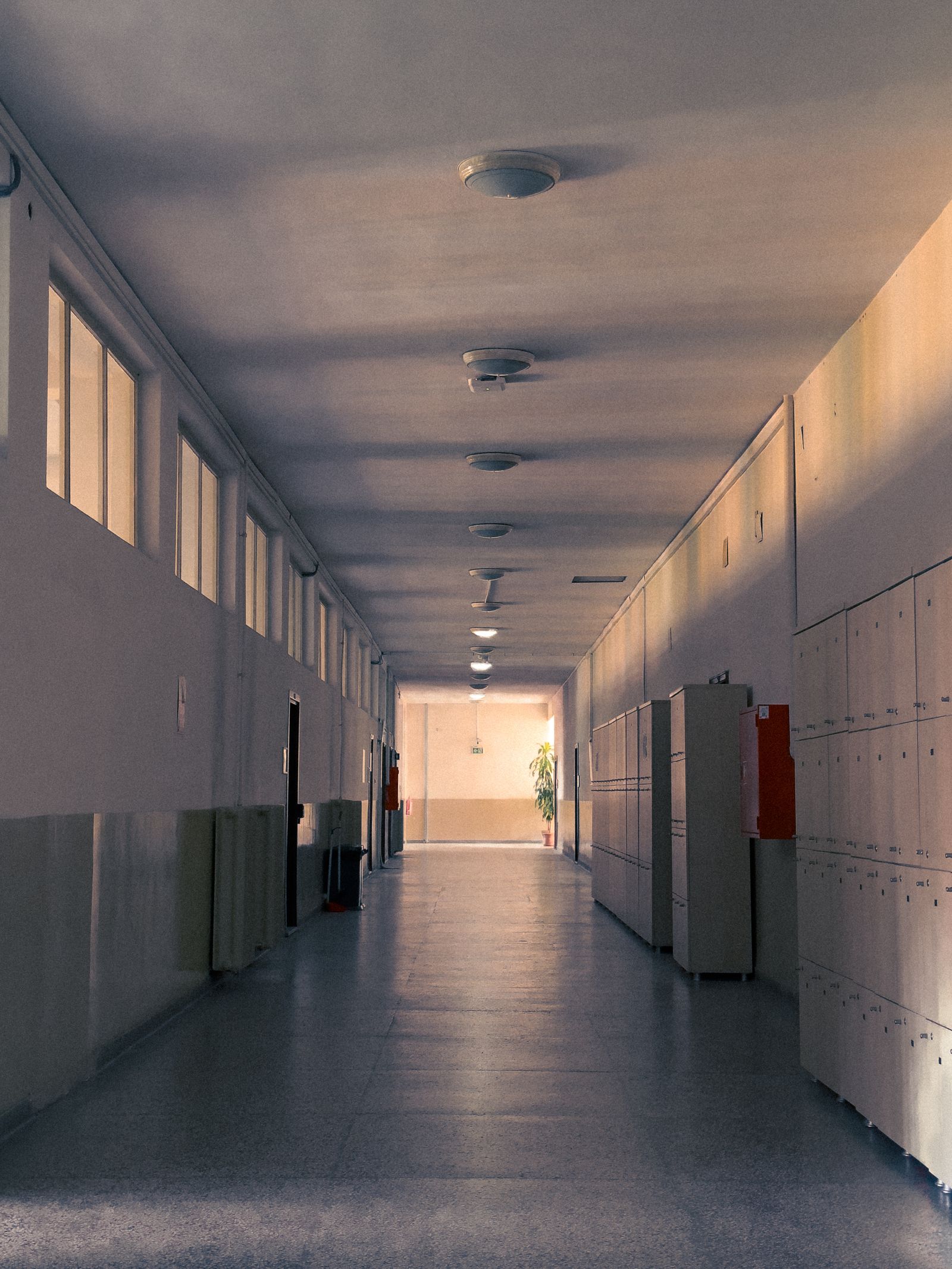
Extinguishers need to be reachable without someone having to search for them or travel an unreasonable distance from where a fire is likely to start. Guidance commonly used for siting is a maximum travel distance of around 30 metres to a Class A extinguisher and 10 metres to one covering Class B or Class F risks, reflecting how much more quickly a flammable liquid or cooking oil fire can develop. Extinguishers are usually grouped at fire points on escape routes, close to exits and at floor level changes such as stairwells, so they are found in the same places a person would naturally be heading during an evacuation.
Mounting matters as much as location. Extinguishers are wall-bracketed or stand-mounted at a consistent height, with the carrying handle within reach for most adults, and identified with clear signage so they are visible even when partly obscured by stock, furniture or equipment. Where a building has multiple floors or distinct fire compartments, each area needs its own adequate provision rather than relying on extinguishers sited elsewhere in the building.
Supply and installation
We supply extinguishers matched to what the risk assessment specifies, install them at the agreed locations with the correct brackets and signage, and provide the documentation a responsible person needs for their fire safety records. Where a building already has extinguishers from a previous supplier or occupier, we can survey what is in place, check it against the current risk profile, and bring the provision up to what the building actually needs rather than starting again from nothing.
Want a price for your premises?
Speak to a fire safety expert
Talk it through with our team. We reply to every enquiry within 1 working day.
Inspection, servicing and maintenance
Extinguishers need to work the one time they are called on, which only happens if they are properly maintained in the years between. BS 5306-3 is the code of practice covering commissioning and maintenance of portable fire extinguishers, and it sets out responsibilities that sit with both the building and the servicing provider.
The responsible person, or someone appointed on their behalf, should carry out a monthly visual check: confirming each extinguisher is in its designated place, the pressure gauge (where fitted) reads correctly, the safety pin and tamper seal are intact, and there is no visible damage or corrosion. This is a quick check, not a service, and is meant to catch anything obviously wrong between the professional visits.
A competent person should service each extinguisher at least annually under BS 5306-3, checking the extinguisher internally and externally, weighing it to confirm the correct charge, testing the discharge mechanism and hose, and confirming brackets and signage are still sound. Beyond the annual service, water, foam, powder and wet chemical extinguishers typically need an extended service at five-year intervals, involving a full discharge and refill, and CO2 extinguishers require an overhaul at ten years due to the pressure vessel involved. We carry out this servicing on a planned schedule, whether or not we supplied the extinguishers originally, and issue a service report and updated labelling after each visit so the record stays current.
Replacement
Extinguishers reach the end of their useful life through age, damage, corrosion or a discharge that has used up their charge. During servicing, we identify units that need replacing rather than repairing again, whether that is because the cylinder has failed a pressure test, the extended service interval has made refurbishment uneconomic compared to a new unit, or the extinguisher no longer matches what the premises now needs following a change of use or layout. Replacement is planned into the servicing schedule so provision does not fall short between visits.
Prefer us to look at it on site?
Fire extinguishers across different premises types
The classes and types covered here apply everywhere, but the mix a building needs changes with what it contains. A commercial kitchen needs wet chemical provision that an office does not, a warehouse with racking and vehicle movement needs a different layout to a retail unit with public access, and a server room needs CO2 close to the equipment it protects. Our industries and premises pages set out how extinguisher and wider fire safety provision applies to specific building types, including offices, retail, warehouses, hospitality and healthcare settings.
Ready to get started?
Send us a few details and we will come back to you with clear next steps and a written quote.
Areas we cover
We supply, install and service commercial fire extinguishers across Birmingham, Walsall, Worcester, Worcestershire, Gloucester, Gloucestershire, South Gloucestershire and Herefordshire. See our locations pages for more on how we work across these areas.
Have a question about your building?
Talk to us about your fire extinguishers
Whether you need extinguisher provision assessed for a new premises, an existing installation brought onto a proper servicing schedule, or units replaced following a recent inspection, send us the details of your building through our contact form and we will arrange a visit.
Speak to Chief Fire Safety
Tell us about your premises and what you need, and we will get back to you to arrange the next step.