
Fire safety for industrial and manufacturing premises
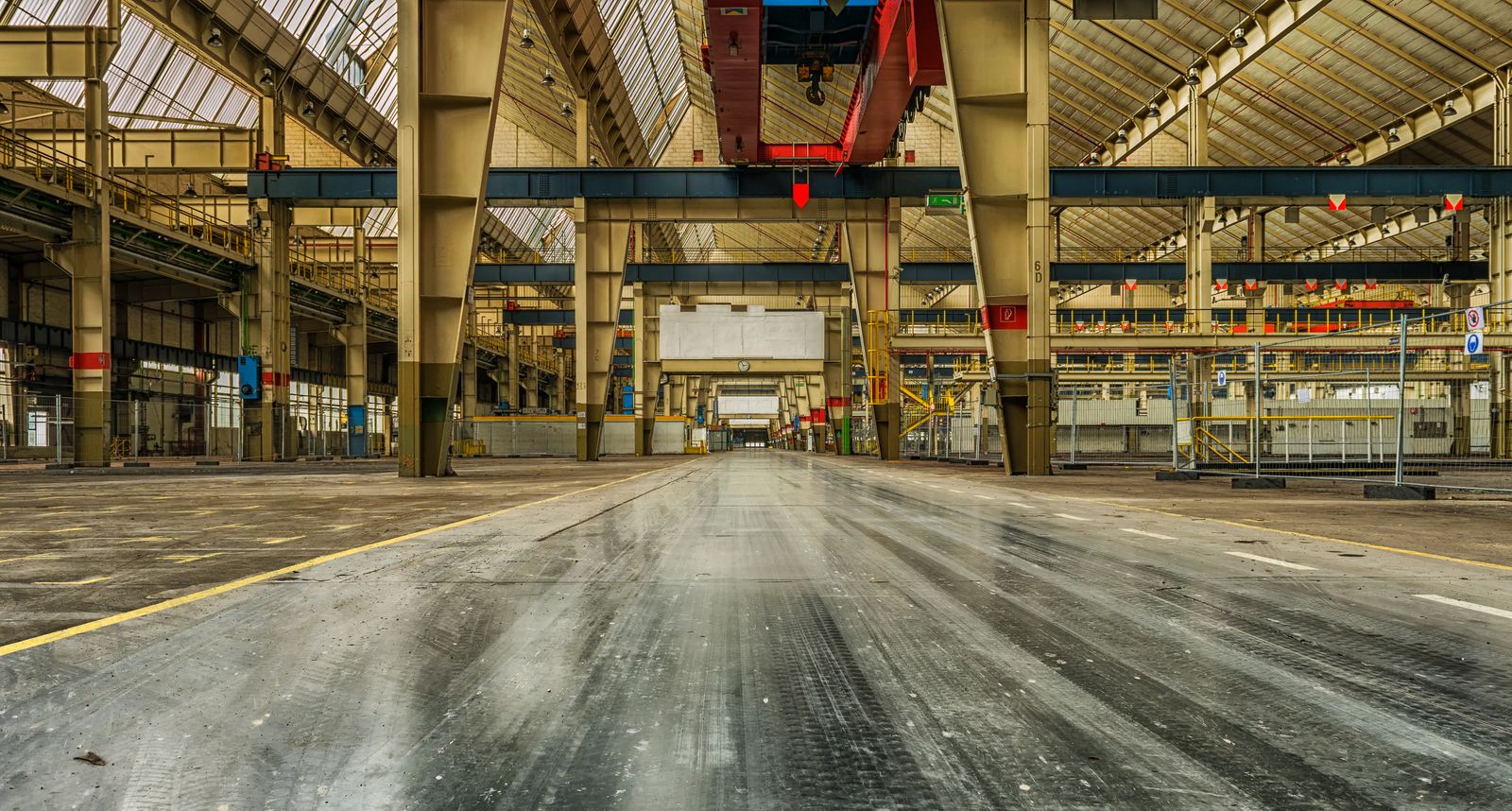
An industrial or manufacturing site rarely fits the fire risk profile of a standard commercial building, because the hazards come from what happens inside it rather than just how it is built. Machinery that runs unattended, hot work carried out as part of routine maintenance, electrical plant under continuous load and materials moving through a production process all add ignition sources and fuel that an office or a shop simply does not have. Detection, escape provision and firefighting equipment all need to be worked out against that operating picture, not applied as a standard package regardless of what the building is used for.
This page sets out the risks that come up most often on industrial and manufacturing premises and how our core services apply to them. Where a site is mainly used for storage rather than production, our warehouses page covers the racking and stock-driven risks that go with that more directly. For the wider picture of how a risk assessment, alarm, doors and escape lighting fit together, see our fire safety overview.
Get a free quote

Tell us about your premises
🔒 Free, no-obligation. We reply within 1 working day. No spam, ever.
- 20+ years’ experience
- Electrical Installation Certified
- ECS card holders
- JIB
- IPAF
- Constructionline
- Chamber of Commerce member


What makes industrial fire risk different

Machinery and process equipment are the starting point. Motors, drives, compressors and production line equipment generate heat as a matter of normal operation, and a fault, a bearing overheating, a belt slipping or a control system failing, can turn routine running heat into an ignition source. Where plant runs unattended overnight or across a shift change, a developing fault has longer to progress before anyone notices it, which is one reason detection often needs to do more work here than in a building that is fully staffed throughout the day.
Hot work, welding, cutting, grinding and similar maintenance or fabrication tasks, introduces a direct ignition source into an environment that may also hold combustible materials, packaging or process waste nearby. Where hot work is carried out away from a fixed, controlled area, the fire risk assessment needs to look at what could ignite near the work and how that risk is managed while the work is in progress.
Electrical plant carrying industrial loads, distribution boards, motor control centres and machinery wiring, sits under more sustained demand than typical office electrics, and faults can develop inside enclosures or behind guarding where they are not immediately visible. Materials handled or stored as part of the production process add to the fuel load in ways that vary from one site to another, which is why a generic assessment based on floor area alone misses what actually drives the risk.
Shift patterns matter too. A site running extended hours, a night shift or periods with reduced staffing has fewer people around to notice a developing fire early, putting more weight on detection and alarm arrangements to do that job instead. Production noise can also affect how an alarm is heard on the factory floor, which is a design consideration rather than a detail to work around after installation.
Have a question about your building?
Fire risk assessment for industrial premises

A fire risk assessment is where an industrial fire safety strategy starts, because it identifies which of these hazards actually apply to your building and how they interact with the way it is used. That means looking at machinery and process areas, how and where hot work is carried out, the condition and loading of electrical plant, what materials are handled and stored, and how the site operates across its full working pattern rather than just during a day shift. It also has to account for people at risk who are not office-based staff: production operatives working close to machinery, maintenance contractors on site for planned or reactive work, and anyone who would need more time or assistance to reach a place of safety.
Since 1 October 2023, changes made by section 156 of the Building Safety Act 2022 have required the responsible person for any non-domestic premises, including a factory or production facility regardless of staff numbers, to keep a full written record of the fire risk assessment and the fire safety arrangements in place. Where a production line changes or the layout of storage and process areas shifts significantly, the assessment needs revisiting rather than left to describe a building that has moved on.
Not sure what your building needs?
Tell us about your premises and we will point you in the right direction. Free, no obligation.
Fire alarm systems for production and process areas

Detection has to work with the environment it is protecting. A fire alarm system, designed in line with BS 5839-1, needs to account for dust, fumes or airborne particulates that some production processes generate, since these can affect which detector type suits a given area, and for the ambient noise a busy factory floor produces, which is why visual alarm devices alongside sounders are worth considering where machinery noise could mask an audible warning alone. Zoning the system to reflect separate production, plant and storage areas also matters more here than in a single open-plan building, since it lets an activation be identified to a specific part of the site rather than triggering a full evacuation before anyone knows where the problem actually is.
Once commissioned, our fire alarm servicing and maintenance keeps the system tested against the schedule BS 5839-1 sets out, which matters where machinery changes, new plant installations and altered production layouts can affect whether existing detector coverage still matches how the building is used. Our fire alarm monitoring service extends that protection into hours when a site runs with reduced staffing or stands empty between shifts, and clear zone plans help anyone responding to an activation identify the area involved without searching a large production floor.
Talk it through with someone who does this every day.
Fire extinguishers matched to industrial and workshop risks

An industrial site typically presents a wider mix of fire risk than a standard commercial building: ordinary combustibles from packaging and general waste, an electrical risk from machinery and control panels, and, depending on the site, flammable liquids used in production or maintenance. Our fire extinguishers service supplies and services extinguisher types matched to what is actually present in each area, positioned near machinery, workshop benches and process equipment rather than only at building exits, and serviced in line with BS 5306-3.
Emergency lighting for production floors and plant areas

Production areas, plant rooms and workshop spaces often have limited natural light, and machinery, racking and process equipment can obstruct escape routes that would otherwise be straightforward to follow. Emergency lighting, designed and maintained to BS 5266-1, needs to cover main circulation routes through and around machinery and plant, escape routes from production areas to final exits, and any control rooms, offices or welfare facilities on site, with particular attention to routes that pass close to moving machinery, where losing light adds a second hazard on top of the fire itself.
Want a price for your premises?
Speak to a fire safety expert
Talk it through with our team. We reply to every enquiry within 1 working day.
Passive fire protection between production, plant and storage areas

Industrial buildings often combine production space, plant rooms, storage areas and sometimes office accommodation within one structure, and the divisions between them carry real weight when a fire starts in one area and needs to be kept out of the others. Our fire-stopping and passive fire protection service surveys and treats these divisions, sealing the penetrations that carry power, data and process pipework between areas and making sure fire-rated walls and floors around plant rooms and electrical intake achieve the separation they were designed for. Industrial sites also see frequent change as machinery is installed or replaced, and each change is a chance for a previously sound compartment line to be compromised if the fire stopping around it is not reinstated.
Intruder alarms for industrial sites
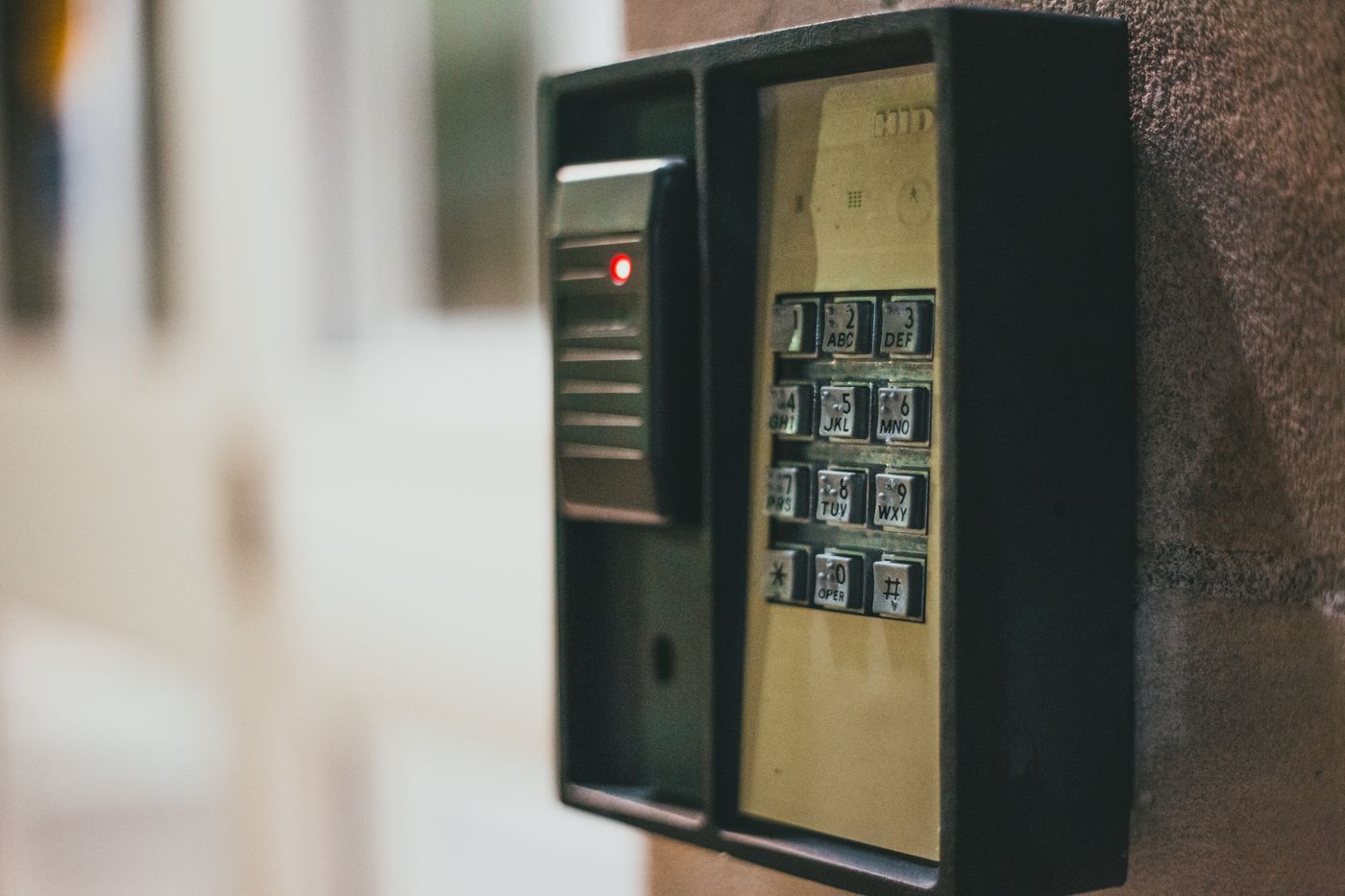
Industrial premises often stand empty overnight, at weekends or between shifts, holding machinery, tools and materials that carry real value. Our commercial intruder alarms service designs and installs systems around how your site operates, covering external doors, loading areas and internal spaces such as tool stores or plant rooms that need their own detection, alongside the fire alarm and access arrangements already in place.
Prefer us to look at it on site?
Keeping industrial fire safety compliant as operations change
An industrial site changes more than most commercial buildings: machinery gets replaced, production lines are reconfigured and the materials handled on site can shift as the business changes. Each of those changes can affect whether existing detection coverage, escape routes and compartmentation still match how the building is used, which is why reviewing the fire risk assessment after a significant change to machinery, layout or process, and keeping servicing records current across alarms, extinguishers, emergency lighting and passive protection, matters more here than in a building that stays largely static year to year.
Tell us about your industrial or manufacturing site, including what it produces and how it operates, and we will talk you through what it needs. We work with manufacturers and industrial operators across Birmingham, Walsall, Worcester, Worcestershire, Gloucester, Gloucestershire, South Gloucestershire, Herefordshire.
Ready to get started?
Send us a few details and we will come back to you with clear next steps and a written quote.
Speak to Chief Fire Safety
Tell us about your premises and what you need, and we will get back to you to arrange the next step.