Fire risk assessments for commercial premises
A fire risk assessment identifies the fire hazards in your building, who is at risk from them, and whether the precautions you already have go far enough. It is the document that everything else in your fire safety arrangements is built on: your alarm design, your emergency lighting layout, the condition of your fire doors and the extinguishers you keep on site should all trace back to what the assessment found.
We carry out commercial fire risk assessments for offices, retail units, warehouses, industrial premises, schools, care settings and hospitality venues, and hand over a written report with the significant findings and a prioritised action plan. If you need an assessment for a new premises, a first assessment for a building that has never had one, or a review of an assessment that is out of date, tell us about your building and we will arrange a visit.
Get a free quote

Tell us about your premises
🔒 Free, no-obligation. We reply within 1 working day. No spam, ever.
- 20+ years’ experience
- Electrical Installation Certified
- ECS card holders
- JIB
- IPAF
- Constructionline
- Chamber of Commerce member

What we look at during a fire risk assessment
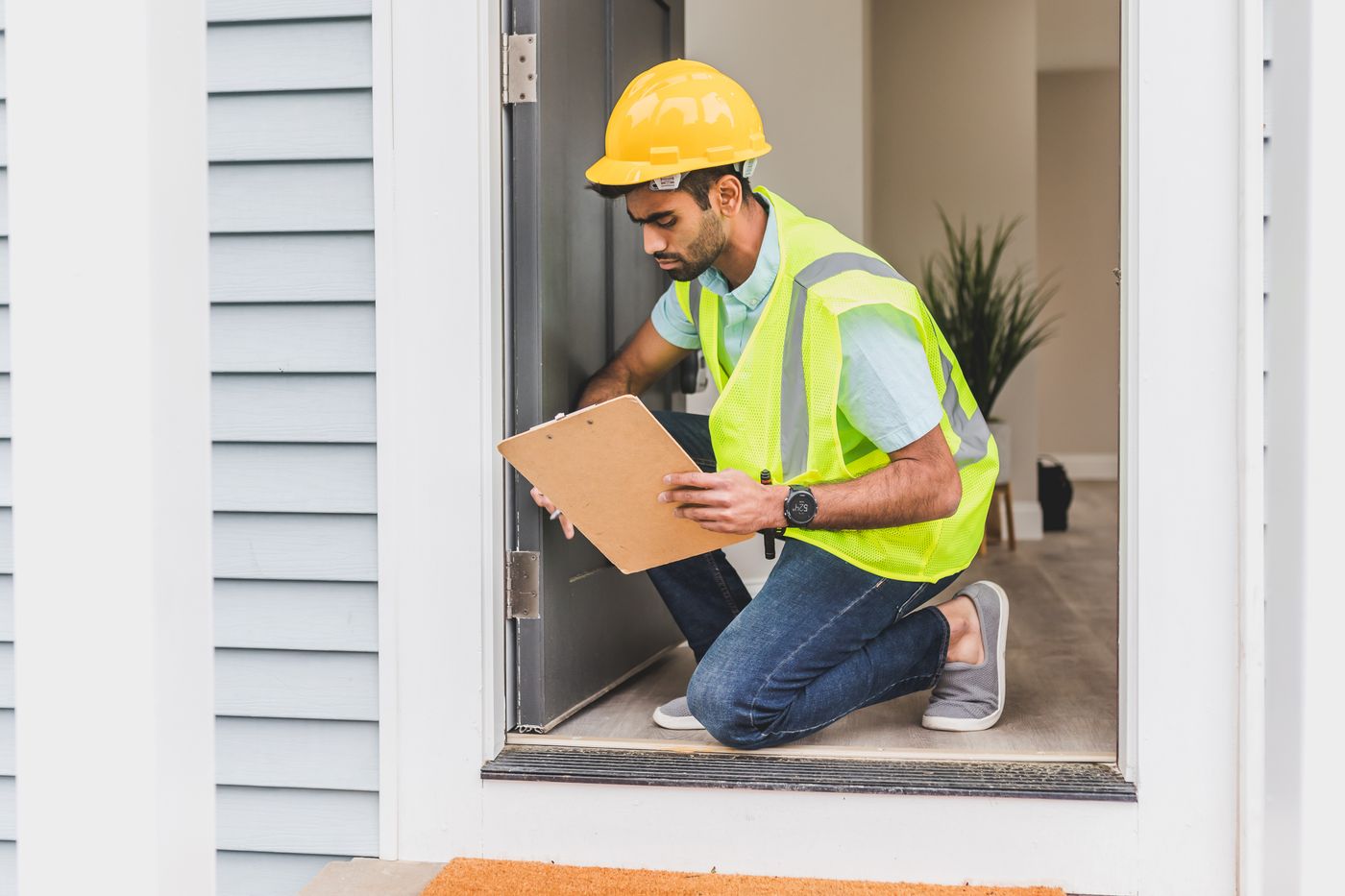
A fire risk assessment works through the building systematically rather than checking items off a generic list, because the hazards in a commercial kitchen have very little in common with the hazards in a warehouse full of racking. During a site visit, we cover:
- Fire hazards and ignition sources, such as electrical equipment, heating, cooking, smoking areas, flammable substances and how they are stored.
- People at risk, including staff, visitors, contractors and anyone who might need help to evacuate, such as people with mobility or sensory impairments.
- Existing fire precautions, and whether they match the risk: detection and alarm, emergency lighting, fire doors, extinguishers and signage.
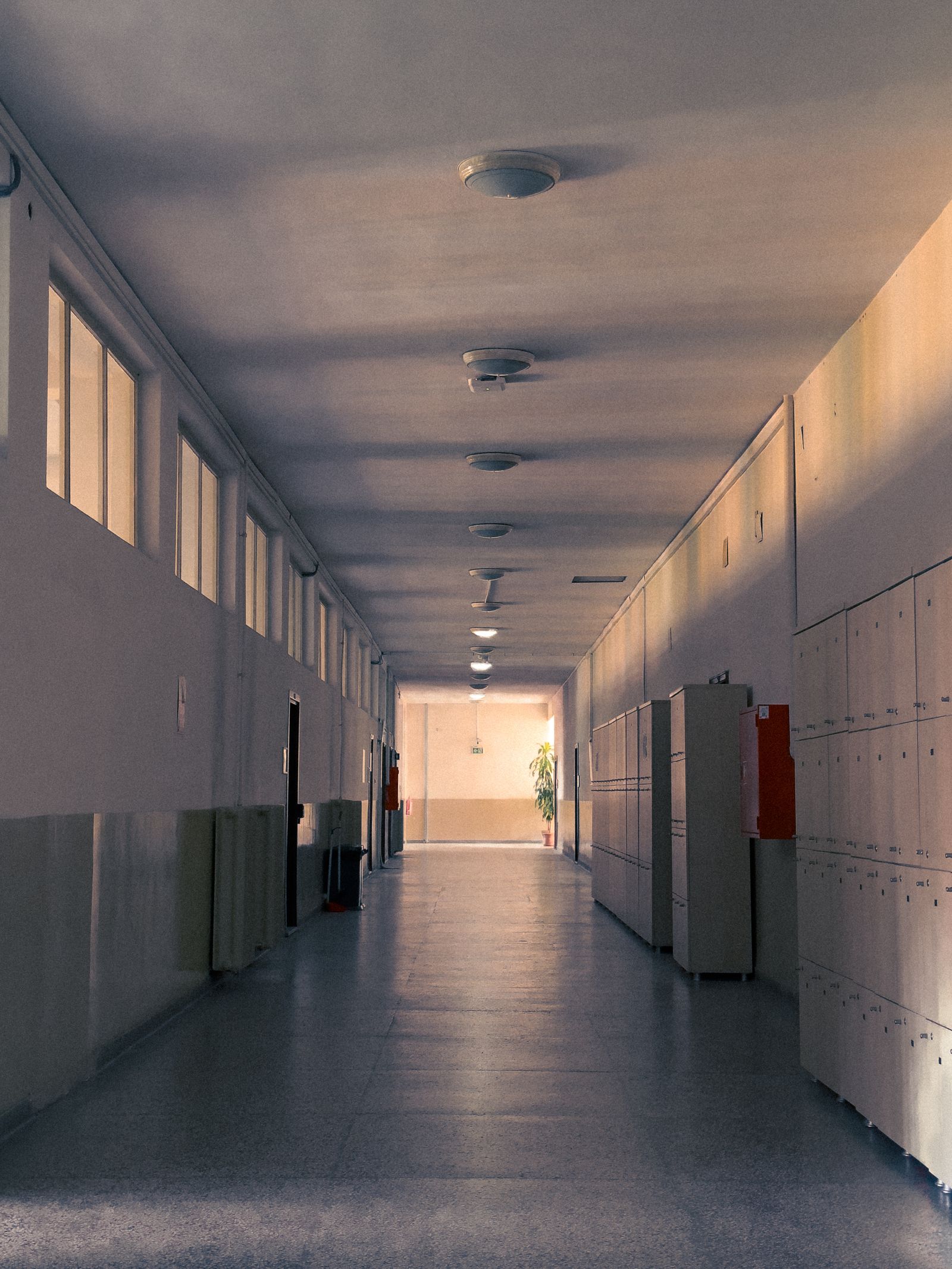
- Means of escape, checking that escape routes are unobstructed, adequately signed and lead somewhere safe, and that final exits are usable when needed.
- Compartmentation, looking at whether fire doors, walls and any fire-stopping around service penetrations are doing the job they were designed for.
- Management arrangements, such as how fire drills are run, how staff are trained and how the premises are kept in a safe condition day to day.
Each of these connects to the others. A building with a good detection system but an obstructed fire exit is not a safe building, and an assessment has to look at the whole picture rather than certifying one system in isolation.
Have a question about your building?
Who is legally required to have one

Under the Regulatory Reform (Fire Safety) Order 2005, the “responsible person” for non-domestic premises in England, usually the employer, or the owner or person in control of the building, must carry out a suitable and sufficient fire risk assessment and keep it under review. The Fire Safety Act 2021 clarified that the external walls of a building and flat entrance doors fall within scope of the Order for multi-occupied residential buildings, which matters if your commercial premises sit within or alongside a residential block.
Since 1 October 2023, changes made by section 156 of the Building Safety Act 2022 require the responsible person for any non-domestic premises to record the fire risk assessment in full, along with the fire safety arrangements in place, regardless of the number of people employed. Where someone is appointed to carry out or review the assessment on the responsible person’s behalf, their name and organisation must also be recorded. This closed a gap that previously let smaller premises get away with an unwritten assessment.
If you manage a shared or multi-let building, working out exactly who holds the duty is not always obvious. Our guide on who is responsible for fire safety sets out how that usually works between landlords, tenants and managing agents.
Not sure what your building needs?
Tell us about your premises and we will point you in the right direction. Free, no obligation.
How we carry out the assessment
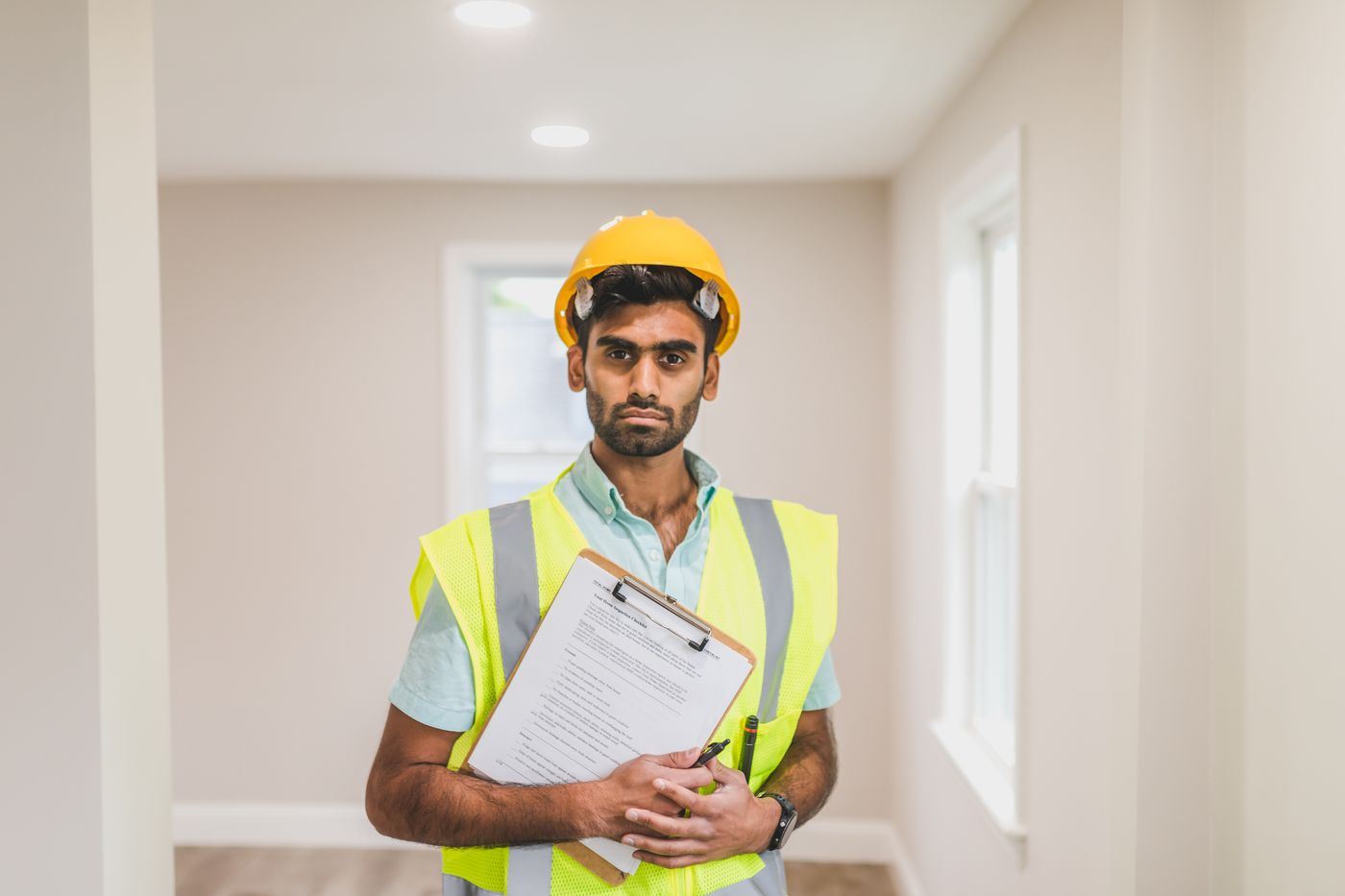
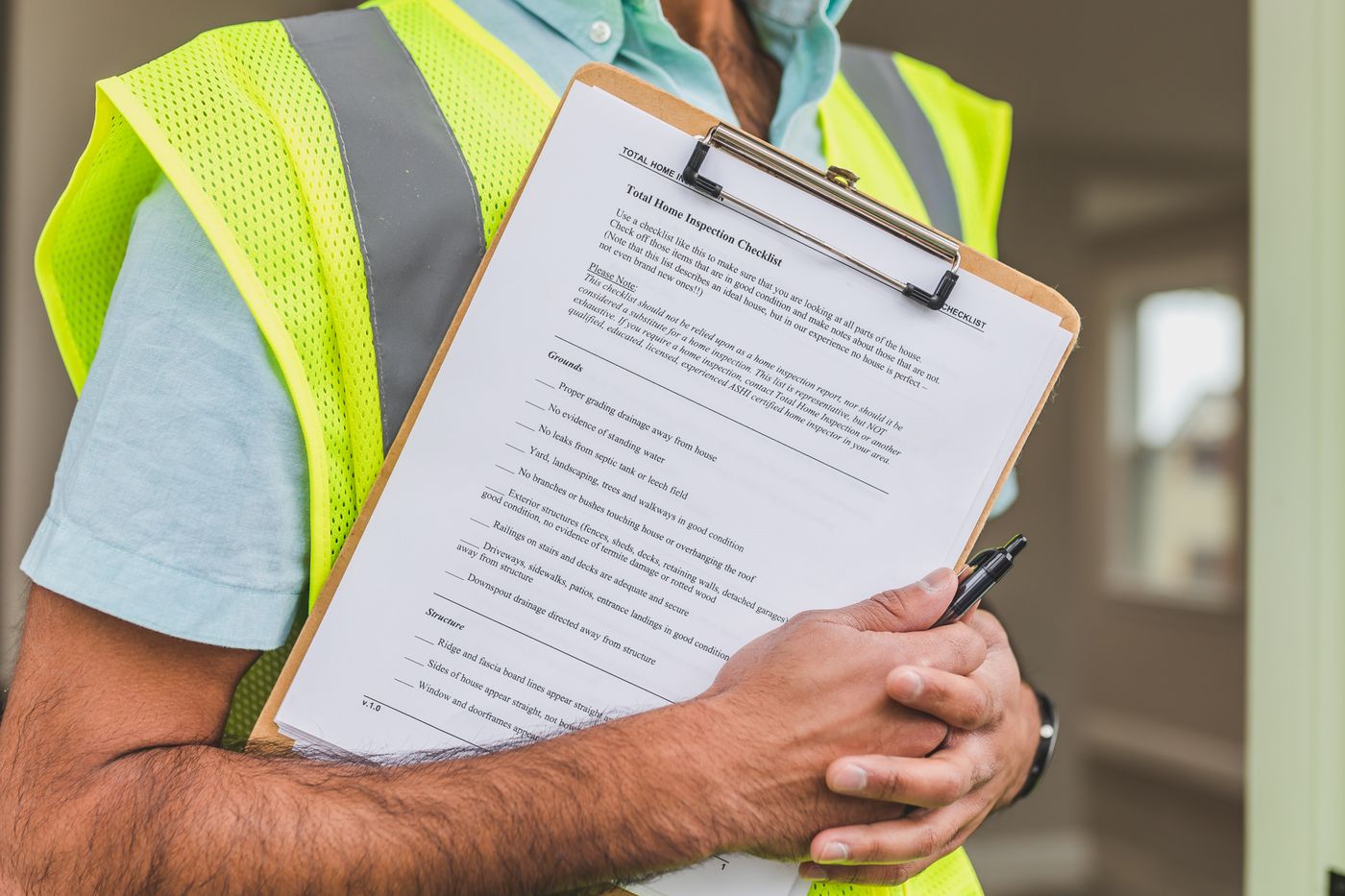
We follow the recognised structure for a fire risk assessment: identify the hazards, identify who is at risk, evaluate and reduce the risk, record the findings, and set a date to review them. In practice that means:
1. A site survey. We walk the building with you or your representative, looking at how it is actually used rather than how it appears on the drawings, because that is usually where the gaps show up. 2. Evaluation of the risk. We weigh up the likelihood of a fire starting against the consequences for the people in the building, and compare that against the precautions already in place. 3. A written report. You receive a record of the significant findings, photographs where they help explain an issue, and a prioritised action plan setting out what needs addressing, in what order.
We are straightforward in the report about what genuinely needs attention and what does not. A fire risk assessment that flags every minor observation as urgent is not useful to you, and neither is one that misses a real problem to keep the report short.
Talk it through with someone who does this every day.
Acting on the findings

The action plan is only useful if it gets worked through, and this is usually where the connection to our other services comes in. A fire risk assessment might recommend upgrading detection coverage, which leads into our commercial fire alarm systems work. It might flag fire doors that no longer close properly, which we address through our fire doors service, or find gaps in compartmentation that need fire-stopping and passive fire protection. Emergency lighting that does not cover the full escape route falls under our emergency lighting work, and the wrong type or number of extinguishers is covered by our fire extinguishers service.
Because we carry out the assessment and can also complete the remedial work, you are not left translating a report written by one contractor into instructions for another. See our fire safety overview for how all of these measures fit together across a building.
Reviewing your assessment
A fire risk assessment is not a one-off document. It needs reviewing regularly, and always after a significant change, such as a refurbishment, a change of use, an extension, a new process introduced on site, or a fire or near miss that suggests the existing precautions were not adequate. An assessment that was accurate five years ago may no longer reflect how the building is used today, and an out-of-date assessment is a common finding when an enforcing authority visits a premises after an incident.
If your existing assessment was carried out by someone else and you are not confident it still reflects the building, we can review it rather than starting from scratch, and tell you honestly whether it needs a full reassessment or a lighter update.
Want a price for your premises?
Speak to a fire safety expert
Talk it through with our team. We reply to every enquiry within 1 working day.
Fire risk assessments across different premises types

The framework above applies to every commercial building, but what an assessor is actually looking for changes with the premises. A warehouse assessment weighs up racking layout, forklift charging points and the time it takes to reach a fire exit from the back of the building. A care setting has to account for residents who cannot self-evacuate. A retail unit with public access has different escape route and signage needs to a back-of-house industrial unit. Our industries and premises section explains how we approach fire risk assessments and wider fire safety across offices, retail, warehousing, industrial premises, hospitality, care, education and healthcare settings. We also assess heritage and listed buildings, where the assessment has to work within the constraints of protected fabric and joinery, covered on our heritage and listed building fire safety page.
Areas we cover
We carry out commercial fire risk assessments across Birmingham and Walsall, Worcester and Worcestershire, Gloucester, Gloucestershire and South Gloucestershire and Herefordshire. See our full list of service locations for more detail on where we work.
Prefer us to look at it on site?
Get a fire risk assessment for your building
Whether you need a first assessment, a review of an existing one, or help working through the actions from a report someone else wrote, get in touch through our contact form with a few details about your premises. We will come back to you to arrange a site visit.
Ready to get started?
Send us a few details and we will come back to you with clear next steps and a written quote.
Speak to Chief Fire Safety
Tell us about your premises and what you need, and we will get back to you to arrange the next step.