
Fire safety for hospitality premises
A hotel, restaurant or pub asks more of its fire safety arrangements than most commercial buildings, because it can be holding members of the public who are asleep, who have been drinking, or who simply do not know the layout, at the same time as running a working kitchen. None of those factors sit in isolation. Overnight guests need an escape strategy that works when they are least alert. A commercial kitchen needs detection and extinguisher provision matched to a genuinely different fire risk to the rest of the building. And a busy bar or dining room on a Friday night needs escape routes and an alarm that reach people who have never set foot in the building before.
This page sets out the risks that come up most often on hospitality premises and how our core services apply to them. For the wider picture of how a risk assessment, alarm, doors and escape lighting fit together, see our fire safety overview.
Get a free quote

Tell us about your premises
🔒 Free, no-obligation. We reply within 1 working day. No spam, ever.
- 20+ years’ experience
- Electrical Installation Certified
- ECS card holders
- JIB
- IPAF
- Constructionline
- Chamber of Commerce member


What makes hospitality fire risk different
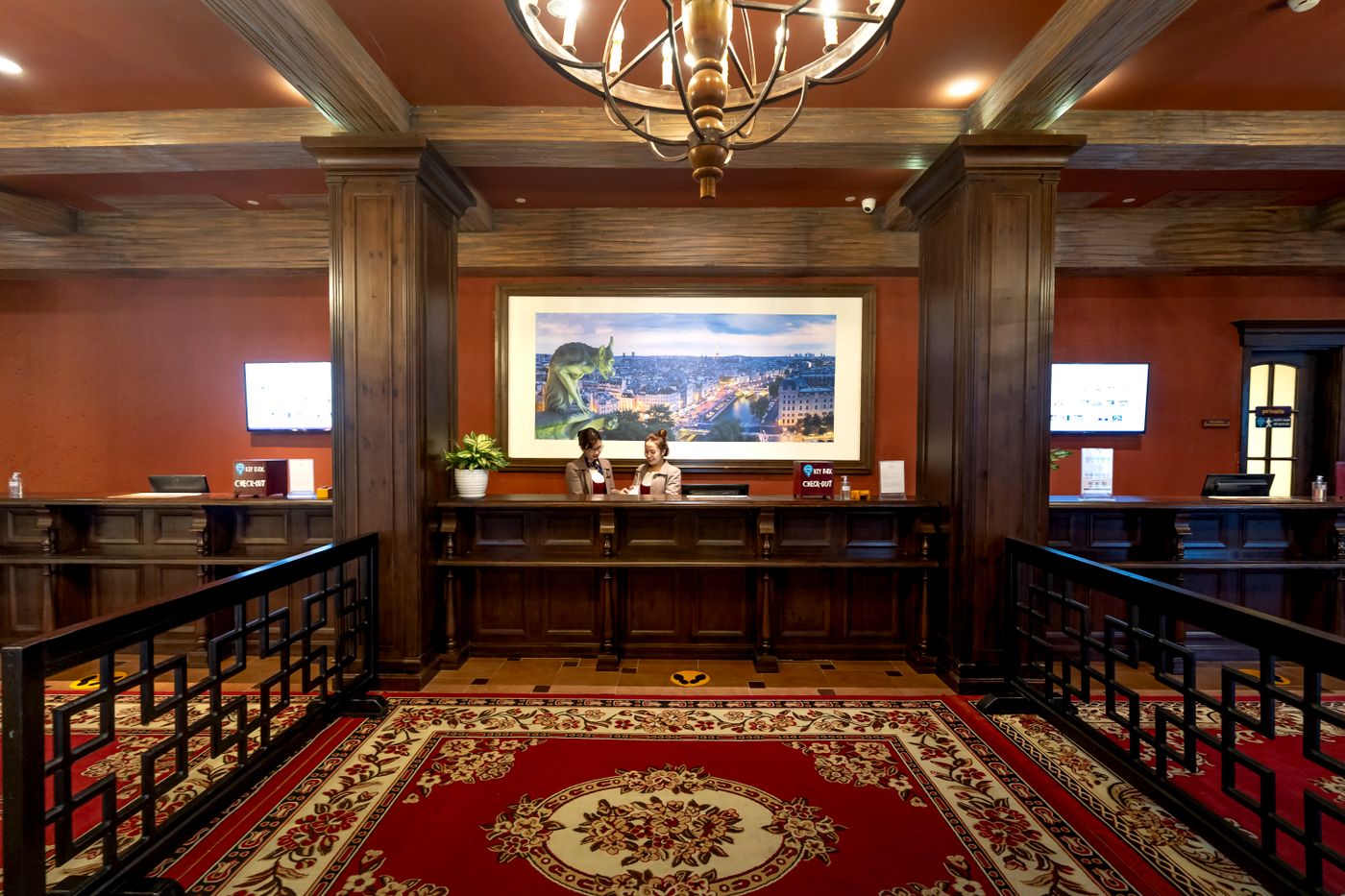
Sleeping accommodation is the defining risk in any building with guest bedrooms. People asleep do not respond to a developing fire the way people who are awake and dressed do, and a hotel, guest house or bed and breakfast has to assume some guests will still be in their rooms, in nightwear, with no idea where the nearest exit is, when an alarm sounds. That single factor pushes detection, escape route design and alarm audibility to a higher standard than a building where everyone present is awake, dressed and familiar with the layout.
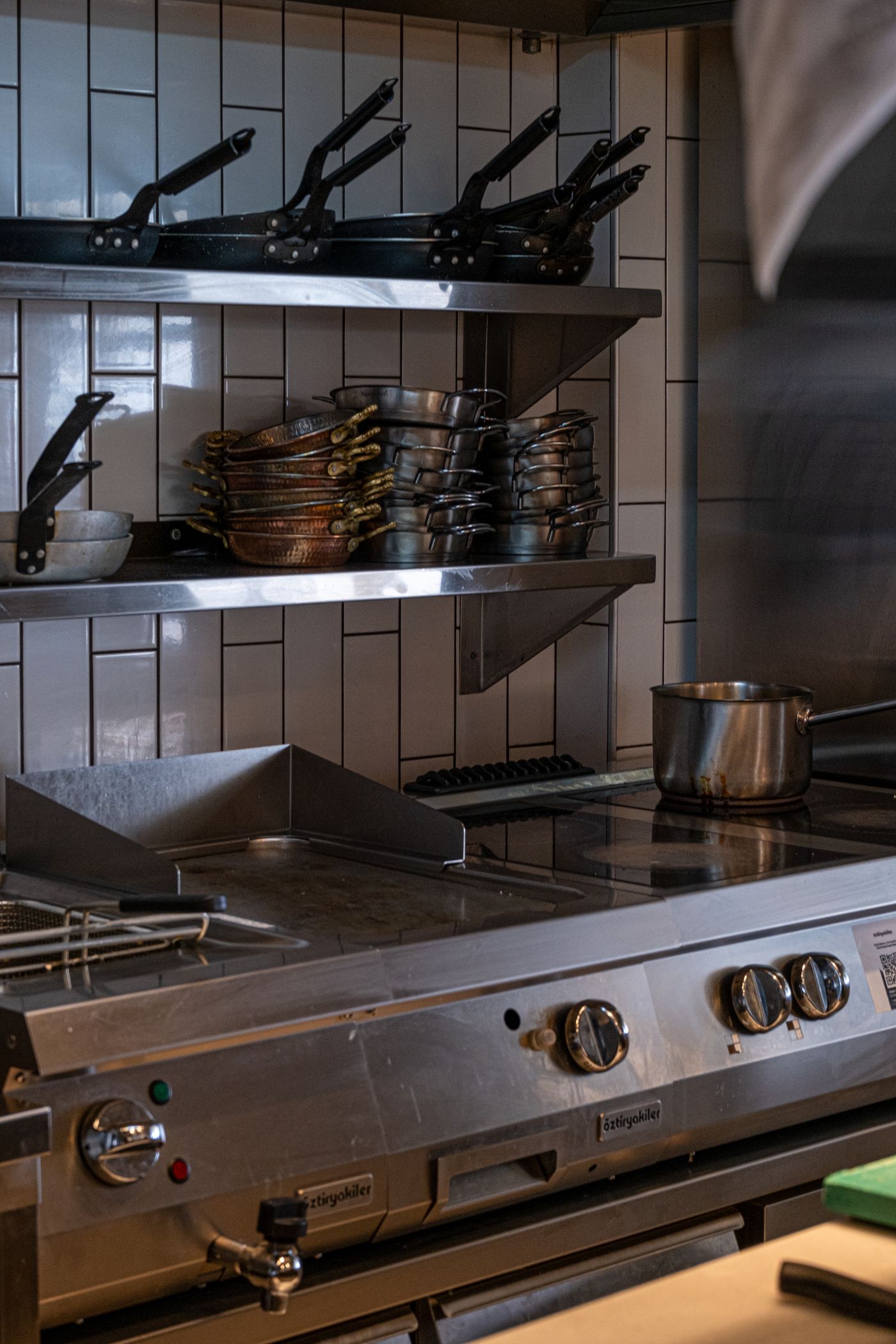
Commercial kitchens are the second defining risk, and they bring a fire hazard that offices, shops and most other premises types simply do not have. Deep fat fryers, open flame cooking, extraction canopies coated in grease over time, and high-output equipment running for long service periods all raise the likelihood of a fire starting and the speed at which it can develop once it does. A kitchen fire also tends to sit close to dining areas, service corridors or guest accommodation above, which makes containment as important as detection.
Occupant unfamiliarity runs through the whole building, not just the bedrooms. Guests in a hotel corridor, diners in a restaurant or drinkers in a pub are, for the most part, in the building for the first time, will not know where the fire exits are unless signage makes it obvious, and cannot be expected to follow an evacuation procedure they were never briefed on. Alcohol adds a further complication in licensed premises, since impairment slows reaction time and can make people harder to move during an evacuation, which is a factor a fire risk assessment for a pub or bar has to consider directly.
Staffing levels swing more than in most commercial buildings. A hotel with a full team on duty during the day can be down to one or two night staff covering reception and the whole building overnight, and a restaurant or pub with a large team during service can be down to a skeleton crew, or empty, once the kitchen is cleaned down and the doors are locked. A fire safety strategy that only works when the building is fully staffed is not one that works at 3am.
Multi-storey guest accommodation adds its own layer. Where bedrooms are spread across several floors, travel distances to a final exit, the number and width of escape stairs, and how an alarm activation on one floor is communicated to guests on others all become live design questions rather than something a single-storey premises needs to consider.
Have a question about your building?
Fire risk assessment for hospitality premises
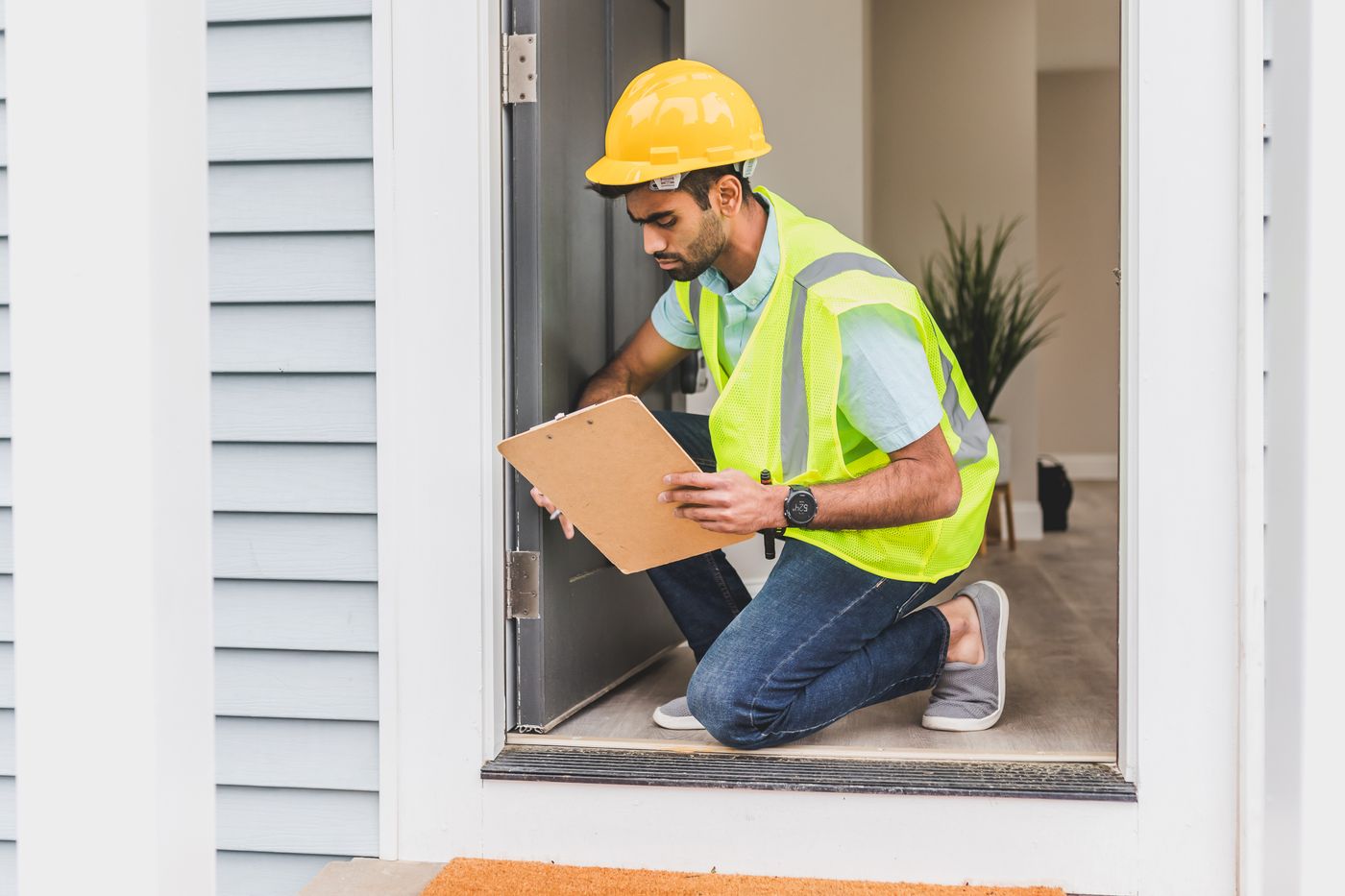
A fire risk assessment is where a hospitality fire safety strategy starts, because it is what identifies which of these risks actually apply to a specific building and how they interact with each other. For a hotel, that means looking at sleeping accommodation floor by floor, travel distances from the furthest bedroom to a final exit, kitchen and back-of-house risks, and staffing levels across day and night. For a restaurant or pub, it means looking at the kitchen, the layout and capacity of public areas, how alcohol consumption might affect evacuation, and what cover exists once the kitchen and bar are unattended overnight.
Since 1 October 2023, changes made by section 156 of the Building Safety Act 2022 have required the responsible person for any non-domestic premises, including a single restaurant, pub or guest house, to keep a full written record of the fire risk assessment and the fire safety arrangements in place, regardless of size or staff numbers. For a hotel or larger hospitality venue, that record needs to reflect sleeping accommodation and public areas as distinct parts of the same assessment, since the measures each one needs are not the same.
Not sure what your building needs?
Tell us about your premises and we will point you in the right direction. Free, no obligation.
Fire alarm systems for hotels, restaurants and pubs

Detection has to reach every part of a hospitality building, including individual guest bedrooms, because a fire starting behind a closed bedroom door will not be seen or smelled by anyone else until it has already developed. A fire alarm system designed for hospitality use, in line with BS 5839-1, has to account for sleeping risk coverage, kitchen and back-of-house zones, and public areas such as dining rooms, bars and function spaces where background noise from music or a busy service can make a standard sounder harder to hear over.
Once a system is in, our fire alarm servicing and maintenance keeps it tested to the schedule BS 5839-1 sets out, working around service hours and overnight occupancy rather than disrupting either. Our fire alarm monitoring service extends detection into the hours when a restaurant or pub stands empty overnight, and clear zone plans help anyone responding to an activation identify which floor, corridor or kitchen area is involved without searching a multi-storey building room by room.
Talk it through with someone who does this every day.
Emergency lighting for guest corridors and public areas

A guest who has never stayed in the building before has no mental map of the corridor outside their room, and loses their only visual reference points the moment normal lighting fails during a fire. Emergency lighting, designed and maintained to BS 5266-1, needs to cover guest corridors, stairwells serving upper floors, and public areas such as restaurants, bars and function rooms where lighting is often dimmed as part of the normal atmosphere and needs a clear, automatic changeover if the power goes down. Escape routes from kitchens and back-of-house areas, which staff use constantly but guests rarely see, need the same standard of coverage as the front-of-house routes guests are expected to follow.
Fire doors in hotels and licensed premises
Fire doors carry particular weight in hospitality premises because they usually separate the areas at greatest risk of ignition, kitchens, plant rooms, laundries, from areas holding the most people who need protecting, guest bedrooms and public spaces. Our fire doors service covers supply, installation and inspection of door sets rated to what the building needs, including bedroom doors, which typically need to hold their own fire resistance and self-close reliably even though guests use them constantly and are not thinking about fire safety when they do. Doors wedged open to help with housekeeping, self-closers disconnected because they catch on carpet, and seals damaged by frequent use are among the most common issues we find on hospitality premises, and each one removes the door’s protection for as long as it goes unfixed.
Want a price for your premises?
Speak to a fire safety expert
Talk it through with our team. We reply to every enquiry within 1 working day.
Fire extinguishers for kitchens, bars and guest areas

Hospitality premises present a genuinely mixed fire risk within the same building: general combustible materials in guest areas and offices, an electrical risk from kitchen and bar equipment, and, in any working kitchen, a cooking oil risk that water-based extinguishers cannot safely handle. Our fire extinguishers service supplies and services extinguisher types matched to each area, wet chemical provision for commercial kitchens alongside water or foam extinguishers for guest and public areas, positioned near exits and kitchen exits specifically, and serviced in line with BS 5306-3.
Keeping hospitality fire safety compliant over time
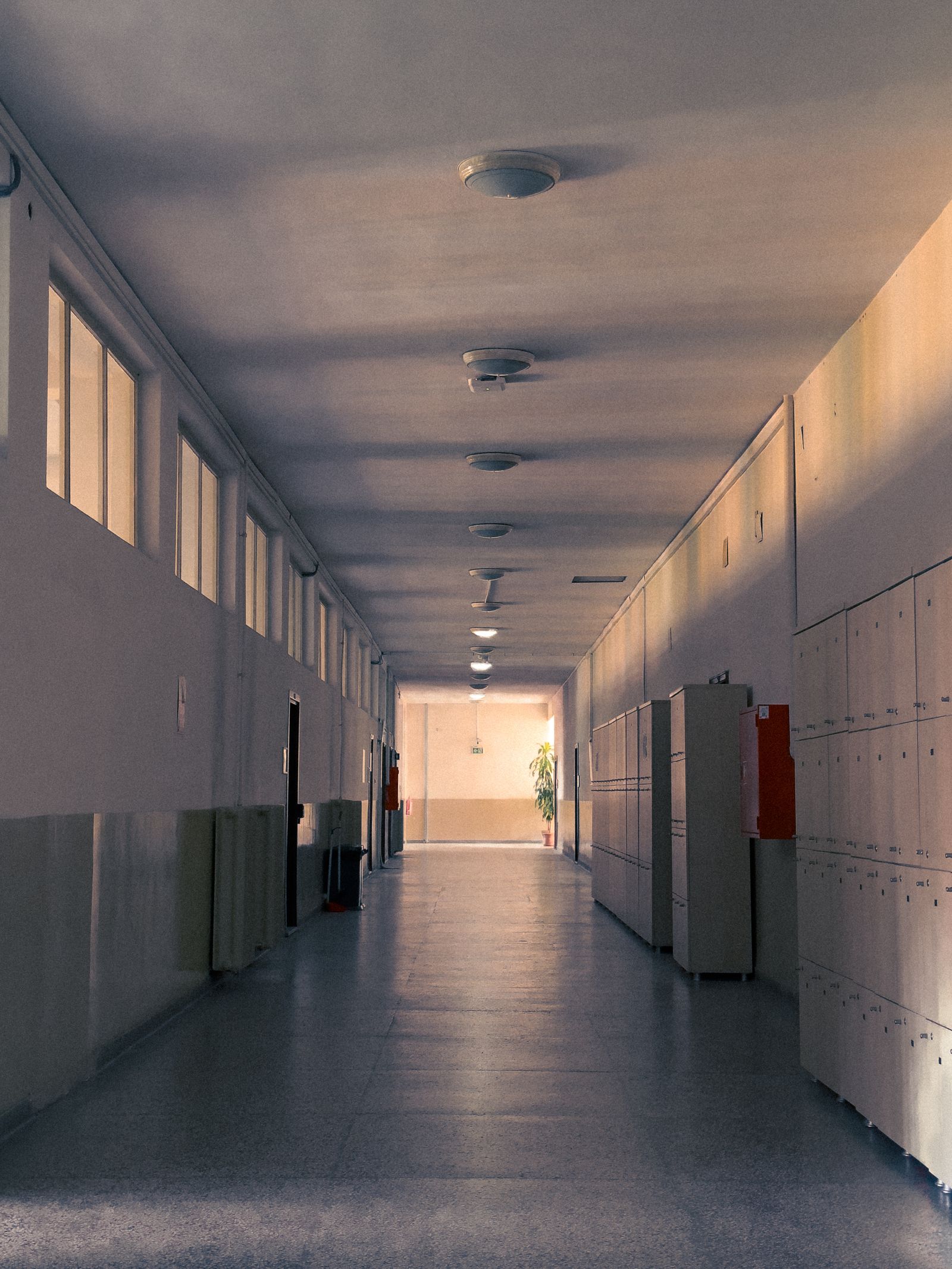
Hospitality premises change more than most commercial buildings from one season to the next: refurbishments, kitchen refits, seasonal function use and changes in room configuration can all affect whether existing detection, escape routes and door provision still match how the building is used. Reviewing your fire risk assessment after a refurbishment or a significant change to the kitchen or guest accommodation, and keeping servicing records up to date across alarms, doors, lighting and extinguishers, is what keeps a hotel, restaurant or pub compliant rather than newly fitted out and gradually drifting out of date.
Tell us about your hospitality premises, whether it is a hotel with guest accommodation, a restaurant with a working kitchen or a pub with a mix of public and licensed areas, and we will talk you through what it needs. We work with hospitality operators across our service locations, including Birmingham, Walsall, Worcester, Worcestershire, Gloucester, Gloucestershire, South Gloucestershire, Herefordshire.
Prefer us to look at it on site?
Speak to Chief Fire Safety
Tell us about your premises and what you need, and we will get back to you to arrange the next step.