
Fire alarm testing, servicing and maintenance: what’s required and who does it
“Testing”, “servicing” and “maintenance” get used almost interchangeably around a commercial fire alarm, but they are three different activities, done by different people, at different intervals, for different reasons. Mixing them up is one of the most common ways a building ends up with a gap in its fire safety arrangements without anyone noticing. This guide sets out what each one actually involves and who is responsible for it. For the detail of what our engineers do during a service visit, see our fire alarm servicing and maintenance page.
Get a free quote

Tell us about your premises
🔒 Free, no-obligation. We reply within 1 working day. No spam, ever.
- 20+ years’ experience
- Electrical Installation Certified
- ECS card holders
- JIB
- IPAF
- Constructionline
- Chamber of Commerce member


Three different jobs, not one
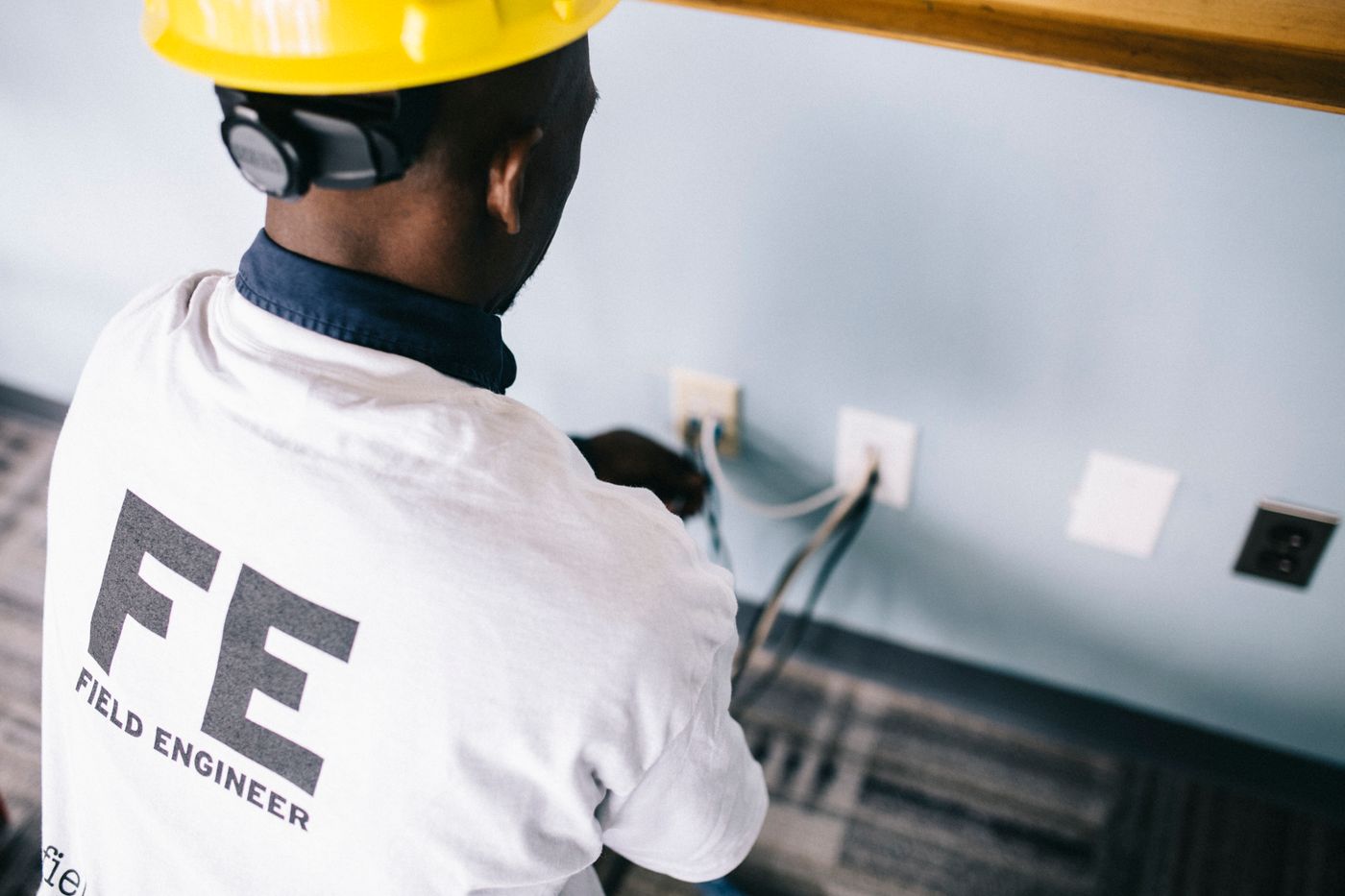
Testing is a simple, routine functional check, carried out weekly by the building itself, that confirms the system is still responding. Servicing is a technical inspection carried out by a competent engineer at set intervals, that goes into the system in a way a weekly test never can. Maintenance is the ongoing work, repairs, part replacement, adjustments, that keeps the system compliant between and during those services. A building can pass its weekly test every week and still have a fire alarm that would fail a proper service, because the two are checking different things.
Have a question about your building?
What the responsible person or staff need to do
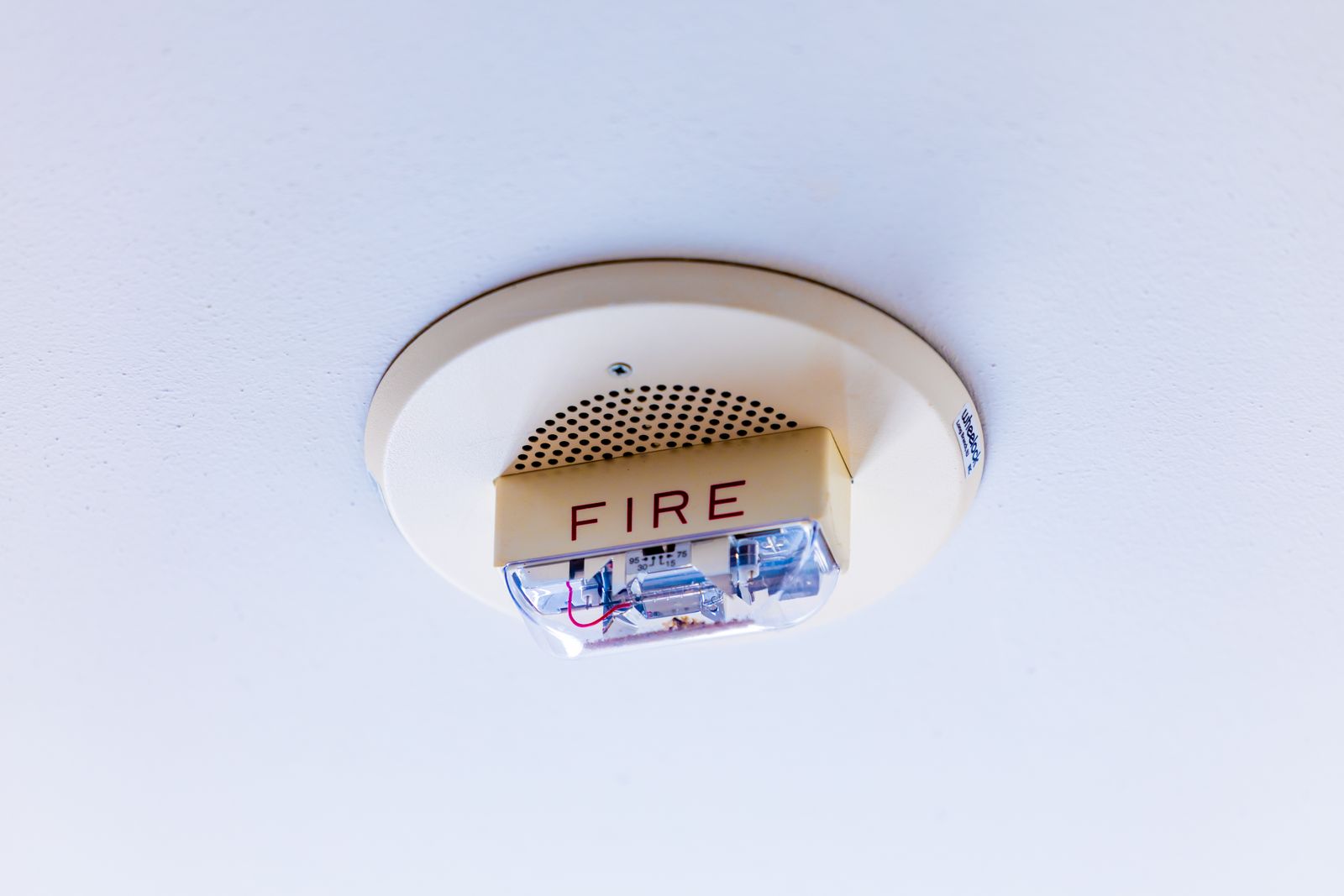
Under BS 5839-1, the standard covering fire detection and alarm systems in non-domestic premises, someone on site is expected to test one manual call point a week, using a different call point each time so that every one on the premises gets checked in rotation over the year. This does not require an engineer or any formal qualification, just someone who knows how to operate the panel and reset it afterwards, and who records the date, the call point tested and the result in the system log book. It is a check that the panel and sounders are still responding, not a substitute for a proper inspection, and it is one of the first things an engineer looks at when they arrive for a service.
Not sure what your building needs?
Tell us about your premises and we will point you in the right direction. Free, no obligation.
What needs a competent engineer
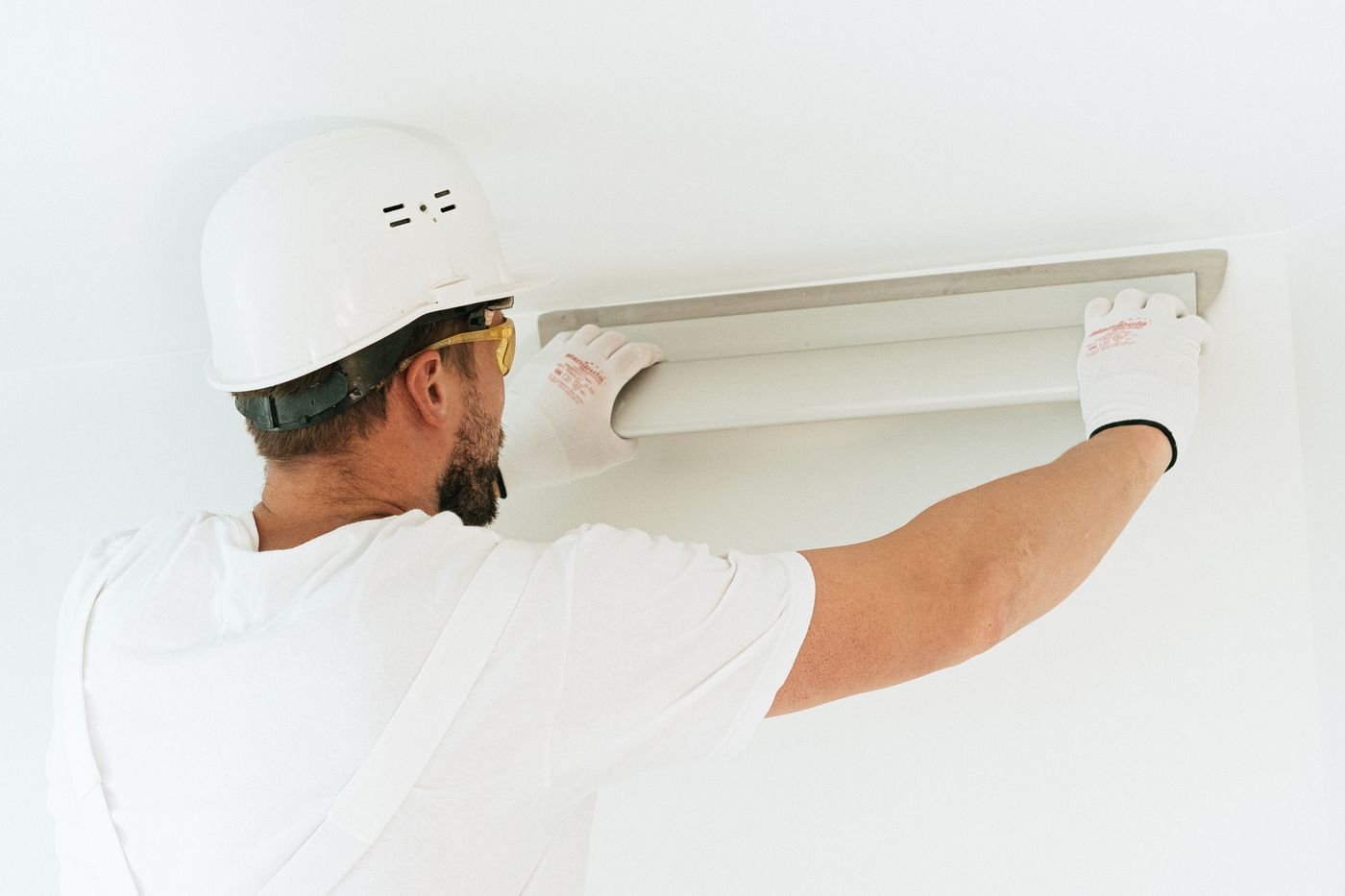
A six-monthly service, at minimum, is what BS 5839-1 recommends for most commercial systems, and it covers ground a weekly test cannot reach: individual detectors, call points and sounders tested rather than sampled, standby batteries checked under load rather than by voltage, cabling and circuits verified, and cause and effect functions such as door releases or ventilation shutdown confirmed to still work as designed. Our servicing and maintenance page covers what a visit involves in full, along with the common faults we find and how repairs are handled.
Talk it through with someone who does this every day.
How to tell if your current servicing is adequate
Buildings often assume their arrangements are fine simply because nobody has raised a problem. A few signs suggest otherwise. There is no log book, or the weekly entries stop and start with gaps. Service visits happen at longer than six-month intervals, or nobody can say with confidence when the last one was. No written report follows a service visit, so there is nothing to show what was actually tested. The person doing the weekly test has never been shown how to reset the panel after a fault. An engineer’s visit consists of silencing the panel and leaving, rather than testing devices and batteries individually. Any one of these on its own is worth a closer look, and more than one usually means the system has not been getting what BS 5839-1 expects.
Taking on a system with an unknown service history
If you have inherited a fire alarm, through a change of premises, a new tenancy or a previous contractor who is no longer involved, and you cannot establish when it was last properly serviced, treat that as a gap rather than assume the worst case. Our first visit to a system like this is usually more thorough than a routine service, checking the panel configuration and zoning against the building as it stands now, and identifying anything missing, disabled or unsuitable before setting it onto a proper schedule. That process is covered in more detail on our servicing and maintenance page.
Want a price for your premises?
Speak to a fire safety expert
Talk it through with our team. We reply to every enquiry within 1 working day.
What to expect from a routine service visit

A service visit needs access to every area the system covers, including locked stores, plant rooms and roof spaces where detectors or sounders are sited, so it helps to arrange that access in advance rather than on the day. How long it takes depends on the size of the building and the number of devices, from under an hour for a small office to most of a working day for a larger or more complex site. Sounders will be tested, which means audible alarms during the visit, so it is worth telling occupants beforehand if that would cause concern. At the end, you should be left with a written report setting out what was tested, what was found, and anything that needs following up, which becomes part of the building’s fire safety record.
Is this a legal requirement
Under the Regulatory Reform (Fire Safety) Order 2005, the responsible person for a non-domestic building in England has a duty to keep fire detection and warning systems maintained in efficient working order, which is why both the weekly test and the periodic service matter, not just one or the other. Since 1 October 2023, changes brought in under the Building Safety Act 2022 have also required the responsible person for any non-domestic premises to keep a written record of fire safety arrangements, which includes the alarm’s testing and servicing history. If your last fire risk assessment flagged gaps in either, that is worth acting on rather than leaving until the next one.
Prefer us to look at it on site?
Talk to us about your system

Whether you want to check your current testing and servicing arrangements are adequate, or need a system with an unclear history brought onto a proper schedule, get in touch through our contact form and tell us about your building. For the wider picture of how detection and alarm systems are designed and specified, see our fire alarm systems page.
Ready to get started?
Send us a few details and we will come back to you with clear next steps and a written quote.
Speak to Chief Fire Safety
Tell us about your premises and what you need, and we will get back to you to arrange the next step.