
Fire alarm servicing and maintenance for commercial buildings
A fire alarm system is only as reliable as its last service. Detectors accumulate dust, batteries lose capacity, cable connections work loose, and buildings change in ways that leave coverage out of date. None of that shows up until the system is tested, which is why servicing and maintenance, not installation, is what keeps a fire alarm doing its job over the years it is in use.
We service and maintain commercial fire alarm systems across offices, retail units, warehouses, industrial premises, schools and healthcare buildings, whether we installed the system originally or it was fitted by someone else. This page covers routine servicing, the checks a building itself is responsible for, fault finding and repairs, and the documentation a responsible person needs to keep. For how a system is designed and put in from scratch, see our fire alarm installation page, and for extending the alarm signal beyond the building, see fire alarm monitoring. Get in touch to arrange a service visit or discuss a maintenance schedule.
Get a free quote

Tell us about your premises
🔒 Free, no-obligation. We reply within 1 working day. No spam, ever.
- 20+ years’ experience
- Electrical Installation Certified
- ECS card holders
- JIB
- IPAF
- Constructionline
- Chamber of Commerce member


Why servicing is a separate requirement from installation
Installing and commissioning a fire alarm confirms it works on the day it is handed over. BS 5839-1, the British Standard for fire detection and alarm systems in non-domestic premises, treats what happens afterwards as a distinct requirement rather than an extension of the same job. Detectors drift out of calibration as dust and contaminants build up inside the sensing chamber. Batteries that provide standby power during a mains failure degrade with age and need testing under load, not just a visual check. Buildings are altered, partitioned, re-let and refitted, and a detector layout that matched the space when it was designed can leave a newly formed room or store area uncovered. A system that is never serviced does not necessarily look faulty. It just quietly stops doing what it was installed to do.
Have a question about your building?
Weekly checks the building carries out
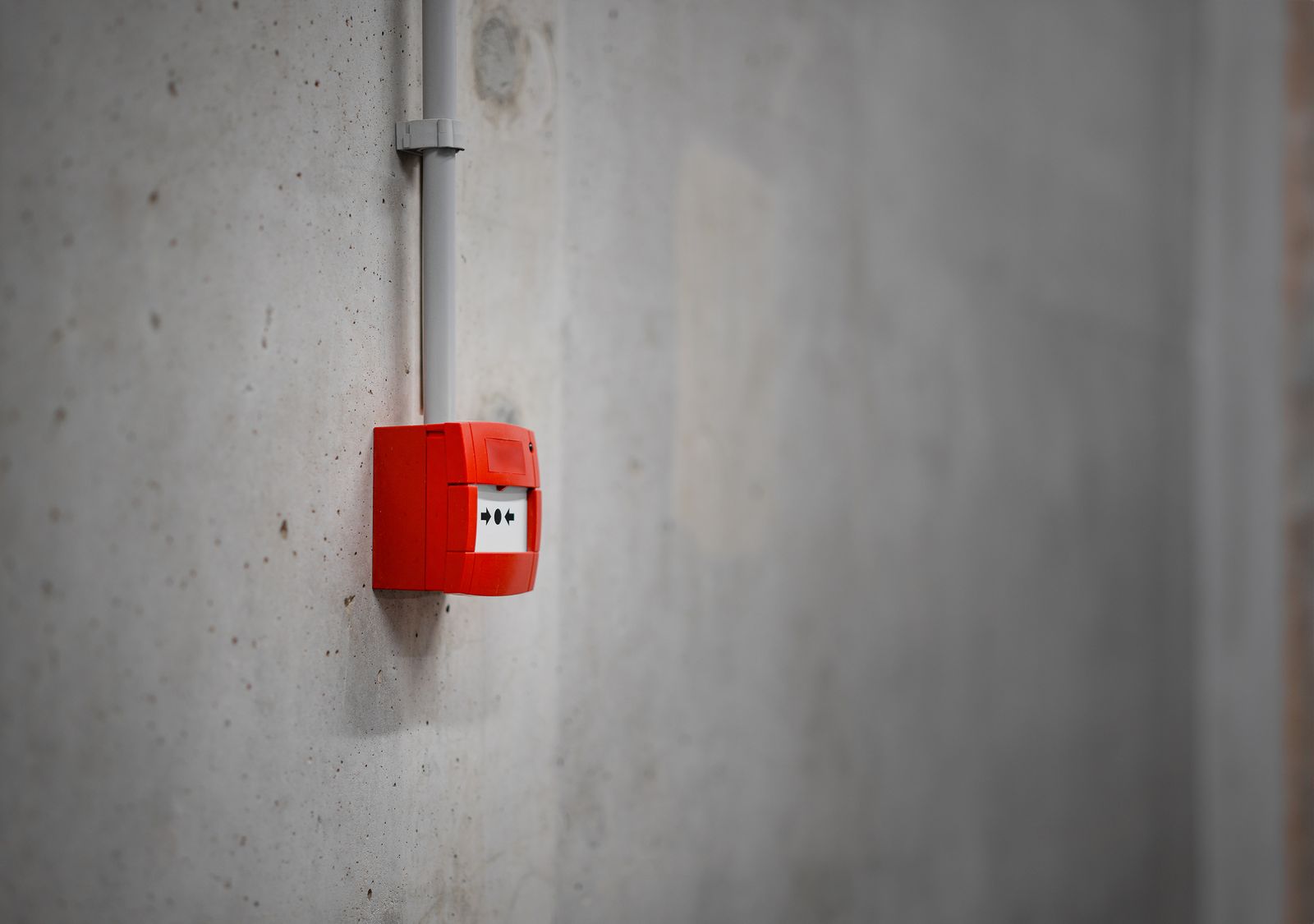
BS 5839-1 expects the responsible person, or someone appointed on their behalf, to carry out a simple weekly test: operating one manual call point to confirm the panel and sounders respond correctly, using a different call point each week so that every one on the premises gets tested in turn over time. This is a basic functional check, not a substitute for professional servicing, and it is meant to catch an obvious failure, a panel that has lost power or a fault that has gone unnoticed, between the proper service visits. Recording the date, the call point tested and the result in the system log book is part of the requirement, not an optional extra, and it is one of the first things an engineer checks at the next service.
Not sure what your building needs?
Tell us about your premises and we will point you in the right direction. Free, no obligation.
What a service visit involves
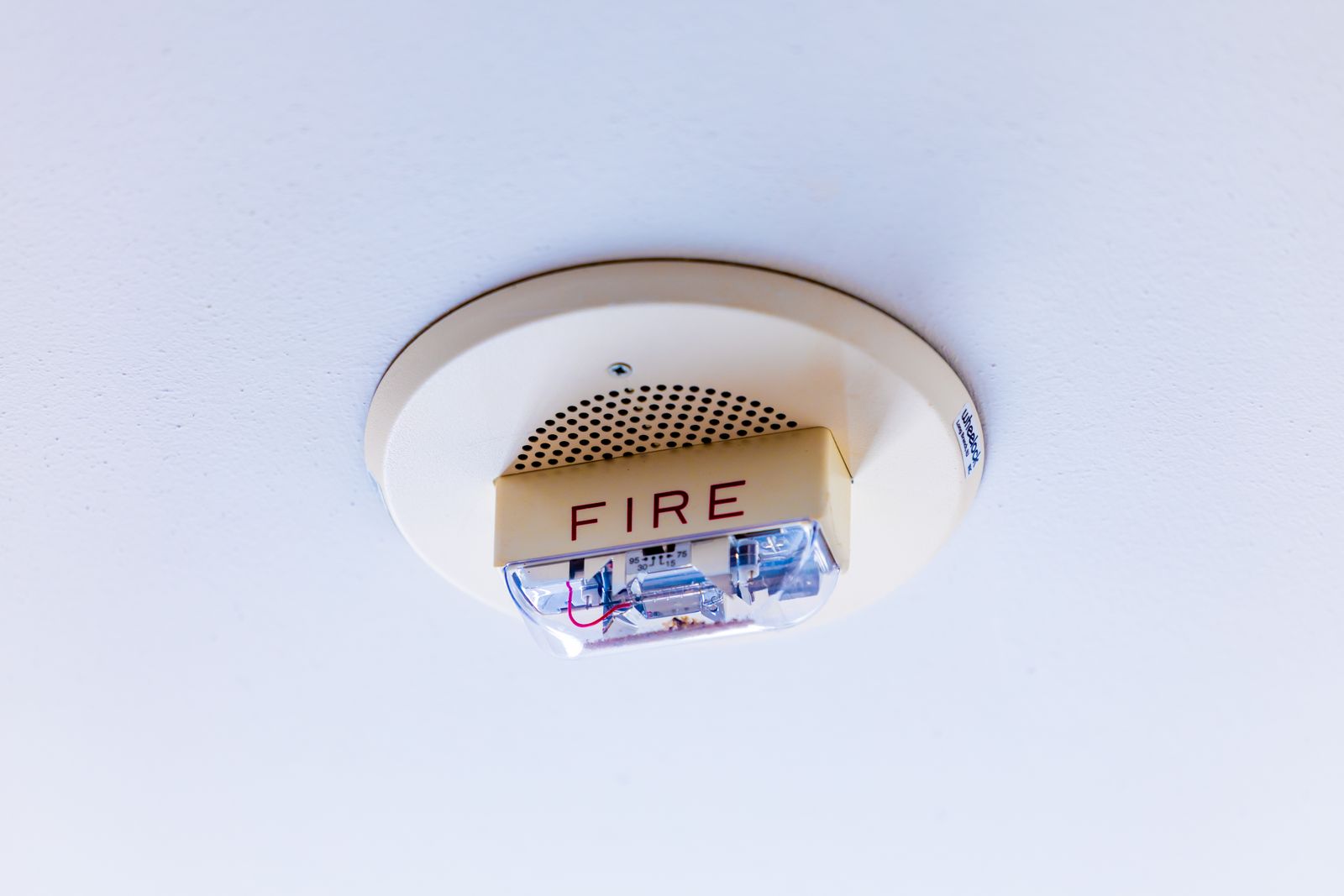
BS 5839-1 recommends that a competent person services and inspects a fire alarm system at intervals of no more than six months, and many buildings choose more frequent visits where the risk profile or insurer requirements call for it. A service is a functional test of the system, not a walk-through. Our engineers test detectors, call points and sounders individually, check standby batteries under load rather than by voltage alone, verify that cabling and circuits are sound, and confirm the control panel logs and reports events correctly. We also check cause and effect functions, such as door releases or ventilation shutdown linked to the alarm, since these can fail independently of the detection devices themselves. Each visit ends with a written service report recording what was tested, what was found and any remedial work needed, which becomes part of the system’s ongoing maintenance record.
Where a system covers a large or complex building, we agree a schedule with the client in advance so servicing can be phased in a way that fits around how the premises operates, in the same way we plan around occupied buildings during installation.
Talk it through with someone who does this every day.
Common faults and what causes them

Most of the faults we find during servicing fall into a small number of categories. Detector contamination, dust, insect ingress or airborne particles from a process nearby, is one of the most frequent causes of both false alarms and reduced sensitivity, and is usually resolved by cleaning or replacing the affected head. Battery degradation shows up as a standby supply that no longer holds the charge the system needs to bridge a mains failure, which is why load testing rather than a simple voltage reading matters. Loose or corroded cable connections, often at junction boxes or older wiring that has been extended over the years, can cause intermittent faults that are hard to pin down without proper fault-finding equipment. Devices disabled after a nuisance alarm and never reinstated are another common finding, and one of the more serious ones, since the building may have been operating with a gap in coverage without anyone realising.
Fault finding on an existing system, particularly one we did not install, starts with understanding how it was originally designed and zoned. Where documentation or zone plans are missing or out of date, tracing a fault takes longer, which is one of the practical reasons up-to-date records matter as much as the servicing itself.
Repairs, and when a system needs more than a repair
Servicing usually identifies faults that are straightforward to put right: a detector head, a battery, a damaged sounder or a loose connection. We carry out these repairs as part of the service where practical, or quote for the work and schedule it separately if it needs parts or more time on site. Some findings point to a bigger issue than a single component: a panel that is obsolete and difficult to source spares for, wiring that has degraded across large sections of the building, or coverage that no longer matches how the space is used after alterations. In those cases, repeated repair stops being the sensible option, and it is worth discussing whether the system needs a partial upgrade or full replacement, which our fire alarm installation team can advise on.
Want a price for your premises?
Speak to a fire safety expert
Talk it through with our team. We reply to every enquiry within 1 working day.
Bringing an existing system into proper servicing

Not every system we service is one we installed. Buildings change contractors, inherit a system from a previous occupier, or simply have not had consistent servicing in place. Where that is the case, our first visit typically involves a more thorough review than a routine service: checking the system against what documentation exists, confirming the panel configuration and zoning match the building as it is now, and identifying any devices that are missing, disabled or no longer suitable for the area they cover. From there we can set the system on a proper servicing schedule going forward, and flag anything that needs addressing before it can be signed off as compliant.
Documentation and your legal position
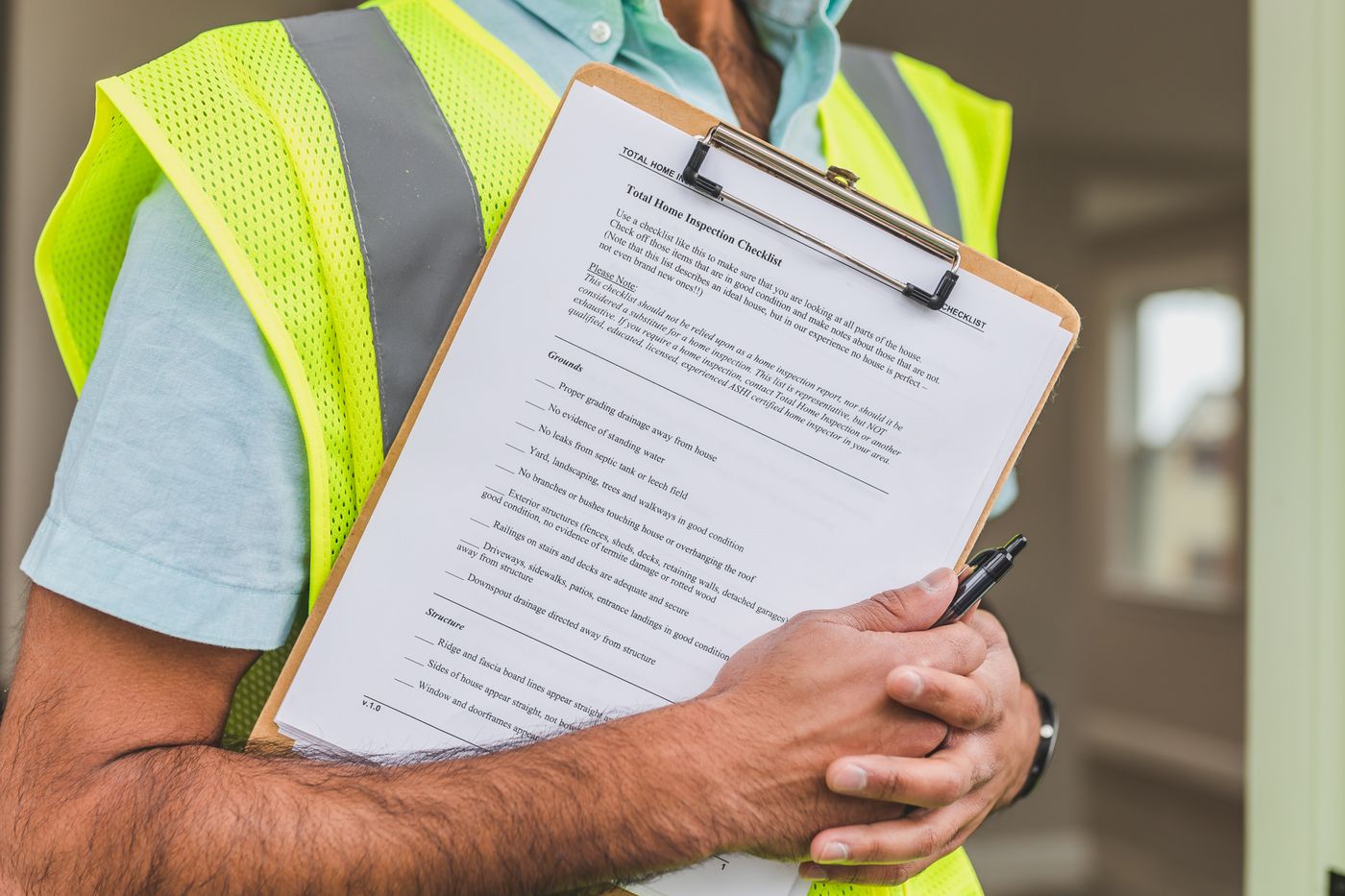
Under the Regulatory Reform (Fire Safety) Order 2005, the responsible person for a non-domestic building in England has a duty to ensure fire detection and warning arrangements are maintained in efficient working order, and that duty applies continuously, not just at the point of installation. Since 1 October 2023, changes under the Building Safety Act 2022 have required the responsible person for any non-domestic premises to keep a written record of fire safety arrangements, which includes the alarm system’s servicing and maintenance history. A log book with weekly test entries and a set of service reports from every visit is what demonstrates that duty is being met, and it is also what an engineer needs to work from efficiently when they return for the next service or to investigate a fault. We provide a written report after every visit and keep records of the systems we maintain, so that history builds up over time rather than depending on paperwork surviving in a filing cabinet somewhere on site.
If you are not sure whether your current arrangements meet that duty, or your last fire risk assessment flagged servicing as a gap, that is a reasonable starting point for a conversation with us.
Prefer us to look at it on site?
Planning maintenance rather than reacting to faults
A system serviced only when something visibly goes wrong tends to cost more over time than one on a planned schedule, because faults that would have been caught at a routine visit are instead found by a false alarm, a failed test during an audit, or worse, a real event where the system does not perform. Agreeing a servicing schedule in advance also makes it easier to plan around how a building operates, book access to restricted areas, and budget for repairs before they become urgent. For buildings that also want the alarm signal to reach beyond the premises when nobody is there to hear it, our fire alarm monitoring page sets out the arrangements available alongside a servicing schedule.
Ready to get started?
Send us a few details and we will come back to you with clear next steps and a written quote.
Areas we cover
We service and maintain commercial fire alarm systems across Birmingham, Walsall, Worcester, Worcestershire, Gloucester, Gloucestershire, South Gloucestershire and Herefordshire. See our locations pages for more on how we work across these areas, or contact us if your premises falls outside them.
Have a question about your building?
Talk to us about your servicing
Whether you need a system brought onto a proper servicing schedule, a fault investigated, or repairs following a recent test, send us the details of your system through our contact form and we will arrange a visit.
Speak to Chief Fire Safety
Tell us about your premises and what you need, and we will get back to you to arrange the next step.