
Intruder alarm monitoring for commercial premises
An intruder alarm that only sounds locally relies on someone being close enough to hear it. On a warehouse standing empty overnight, an office over a bank holiday weekend, or a retail unit after the shutters come down, that is rarely anyone. Monitoring changes what happens after a detector activates: instead of the signal staying inside the building, it is carried out to wherever it has been set up to go, so an alarm condition reaches somewhere other than an empty room.
We design and install commercial intruder alarms and maintain them for the life of the system, and monitoring is something we can specify alongside either, on a new installation or one that is already in service. This page explains what monitoring does, why commercial premises use it, and the arrangements worth discussing for your building. We also look after fire alarm monitoring for many of the same clients, and the two are often worth considering together where a building runs both systems.
Get a free quote

Tell us about your premises
🔒 Free, no-obligation. We reply within 1 working day. No spam, ever.
- 20+ years’ experience
- Electrical Installation Certified
- ECS card holders
- JIB
- IPAF
- Constructionline
- Chamber of Commerce member
What intruder alarm monitoring does
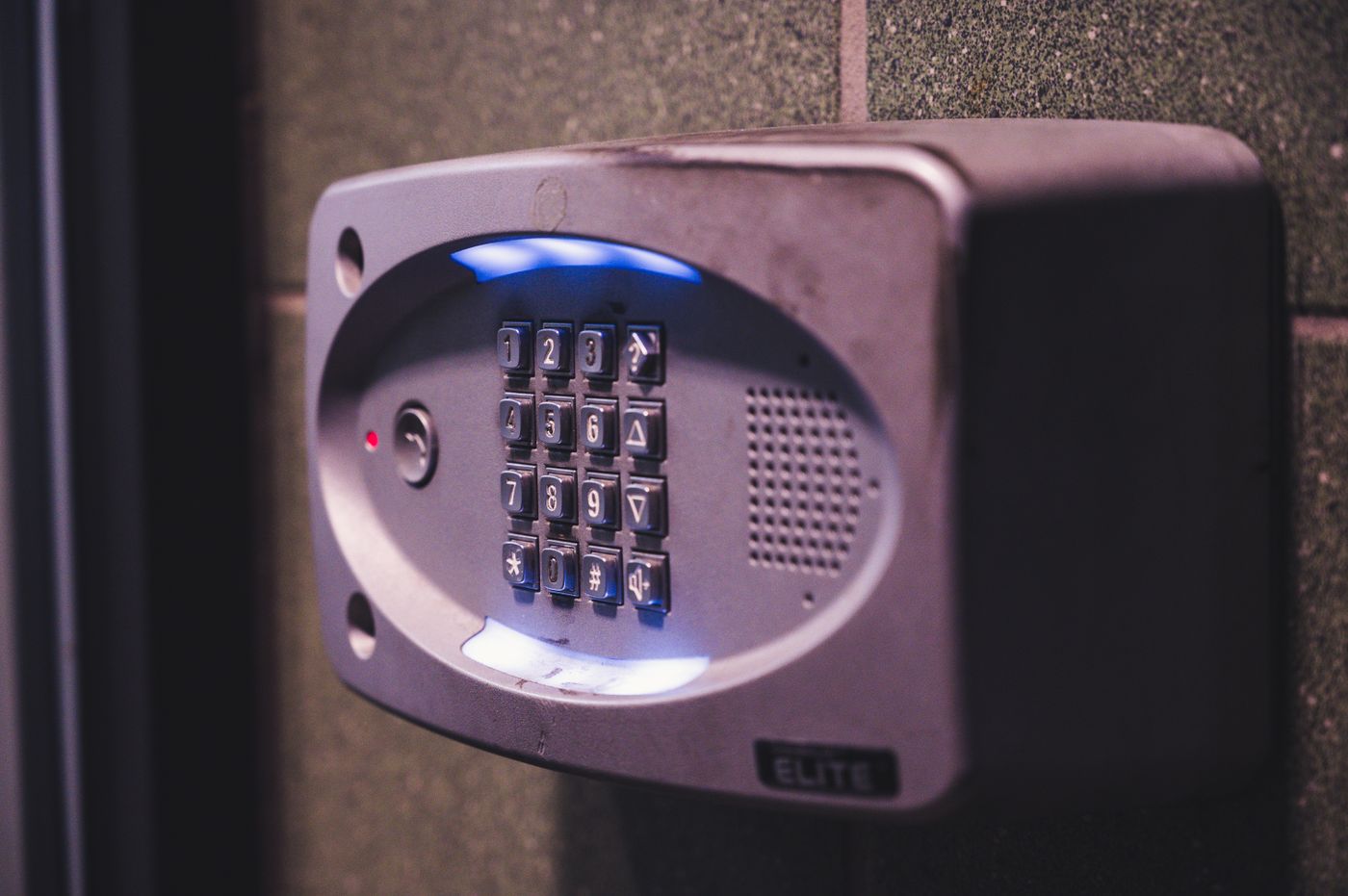
A control panel already knows when a door contact, detector or other device on the system has been triggered. Monitoring gives that information a destination once it leaves the panel. A signalling device sends the alert out, typically over a broadband or IP connection, a mobile network, or a combination of the two, to wherever the system has been configured to report.
Where the signal goes, and what happens once it arrives, depends on how the monitoring is set up. It might reach a nominated keyholder or an internal security or facilities team directly, or it might route through to an Alarm Receiving Centre (ARC), a dedicated facility built to receive alarm signals and act on them under an agreed procedure. Commercial intruder alarm systems are typically designed and installed to PD 6662, the British code of practice applying the EN 50131 series to intrusion and hold-up alarm systems, as covered on our commercial intruder alarms page, and an ARC handling those signals operates to its own standard, BS EN 50518, which sets requirements for how a monitoring centre is built, staffed and run. Compliance with that standard is what allows an ARC to be certified for immediate police response. Each of these arrangements carries a different cost and a different outcome, and the right one depends on the building, how it is used, and what level of response is proportionate to the risk. We can talk through which arrangement suits your system and help you specify it against your building’s risk profile.
Have a question about your building?
Why commercial premises monitor their intruder alarm
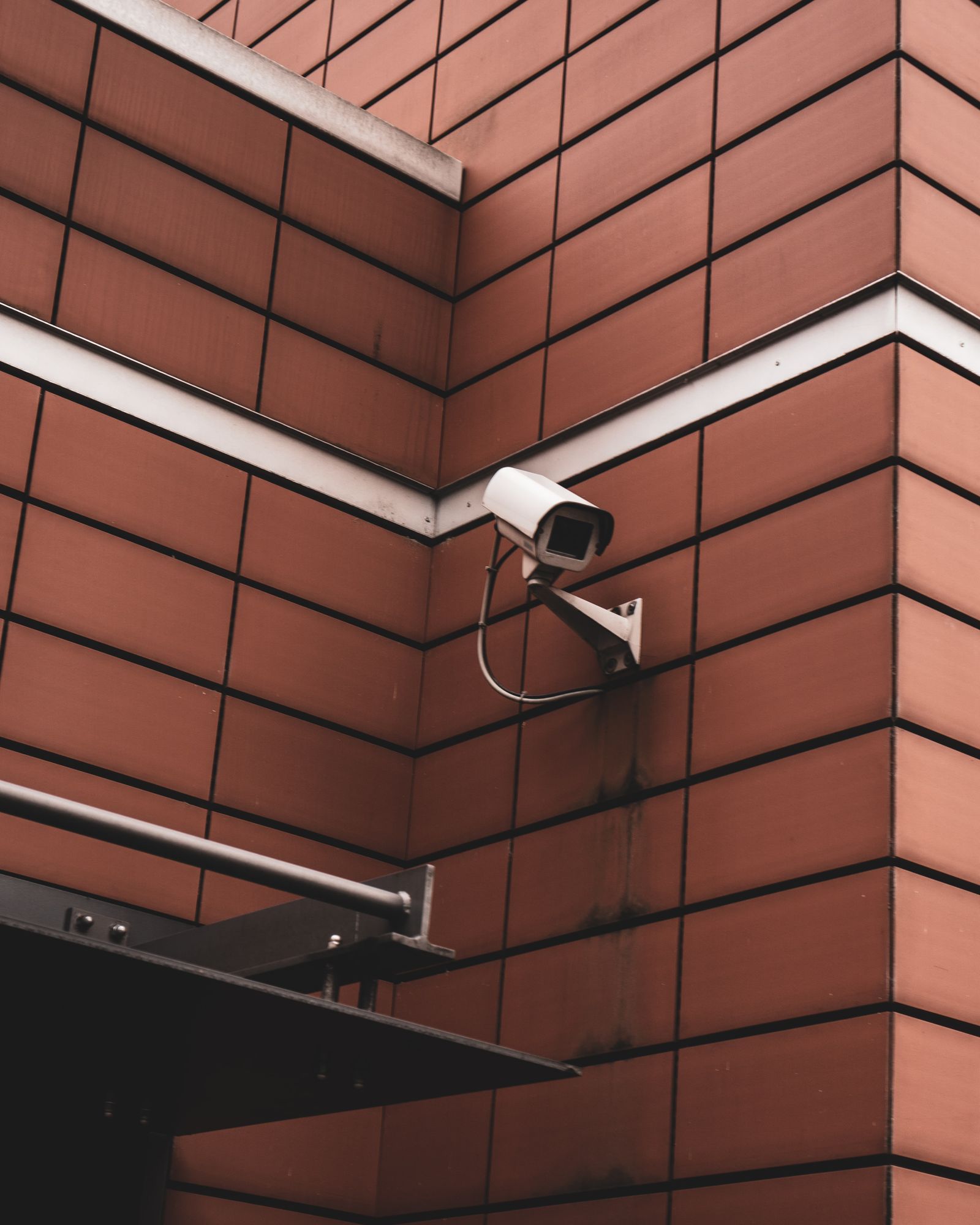
A handful of practical reasons push commercial buildings toward monitoring rather than leaving a system to sound and wait for someone to notice.
Unoccupied periods. Warehouses, industrial units, retail stock areas and office buildings all stand empty for long stretches, overnight, at weekends, and often longer over holidays. An intrusion in an unoccupied building can go unaddressed for hours unless the signal reaches someone away from the premises.
Insurance conditions. Commercial insurers frequently set monitoring, or a specific standard of monitoring and response, as a condition of cover for premises holding stock, equipment or cash, or for buildings assessed as higher risk. It is worth checking your policy wording, or asking your insurer directly, before deciding what level of monitoring your building needs.
Keyholder and response arrangements. A monitored signal is only useful if it reaches someone who can act on it. That might mean a call to a nominated keyholder, an alert to a security or facilities team already on a rota, or, where the building is registered with the police through a Unique Reference Number (URN), a request for police attendance following confirmation of an intrusion. Which of these applies, and in what order, is agreed when the monitoring arrangement is set up rather than assumed.
Continuity of an existing system. Where a commercial intruder alarm has never been monitored, adding monitoring later does not usually mean replacing the system. In most cases a signalling device is added to the existing panel, which is why monitoring is worth reviewing at a routine service visit rather than treated as a separate project.
Not sure what your building needs?
Tell us about your premises and we will point you in the right direction. Free, no obligation.
How a monitored system differs from a standalone one

A standalone intruder alarm is complete in itself: detection, a control panel, and local sounders, designed and installed to PD 6662 and the relevant EN 50131 grade for the premises. Monitoring adds a communication layer on top of that system rather than changing how detection and local warning work. The panel still needs to be correctly designed, installed and maintained regardless of whether it is monitored, and a monitored signal is only as reliable as the system generating it.
The practical difference is what happens after an activation. On a standalone system, response depends entirely on someone within earshot noticing, which, on many commercial sites outside working hours, means nobody. On a monitored system, the signal reaches its destination whether or not anyone is in the building, and what happens next follows whatever arrangement has been agreed, whether that is a call to a keyholder, an alert to a security team, or a route through to an ARC. The signalling path itself matters too: a single path over broadband or a telephone line can fail if the connection is cut or the exchange is affected, which is why dual-path signalling, combining an IP or landline connection with a mobile network, is commonly specified where reliability matters most.
Talk it through with someone who does this every day.
Arrangements to consider for your building

Monitoring is not one fixed product, and the right specification depends on your building rather than a default setting. Points worth discussing before a system is monitored, or when reviewing one that already is, include:
- Who or what the signal should reach first: a nominated keyholder, an internal security or facilities team, or a monitoring service set up to receive intruder alarm signals directly.
- Whether the building needs a single signalling path or a dual-path arrangement for resilience.
- How keyholder details are kept current, since a call list with an outdated number or a keyholder who has left the business delays the response the monitoring is there to provide.
- Whether police response applies to the premises, and, if so, what confirmation the arrangement requires before a request is made.
- How the arrangement fits with any existing fire alarm monitoring already in place. Many commercial premises run both together, and it is worth considering them as one signalling conversation rather than two separate ones.
- What your insurer requires, if a monitored condition applies to your policy.
We do not assume every building needs the same answer to these questions. Get in touch through our contact form and we can talk through what your premises actually needs, rather than sell a fixed package.
Fitting monitoring into your system’s lifecycle
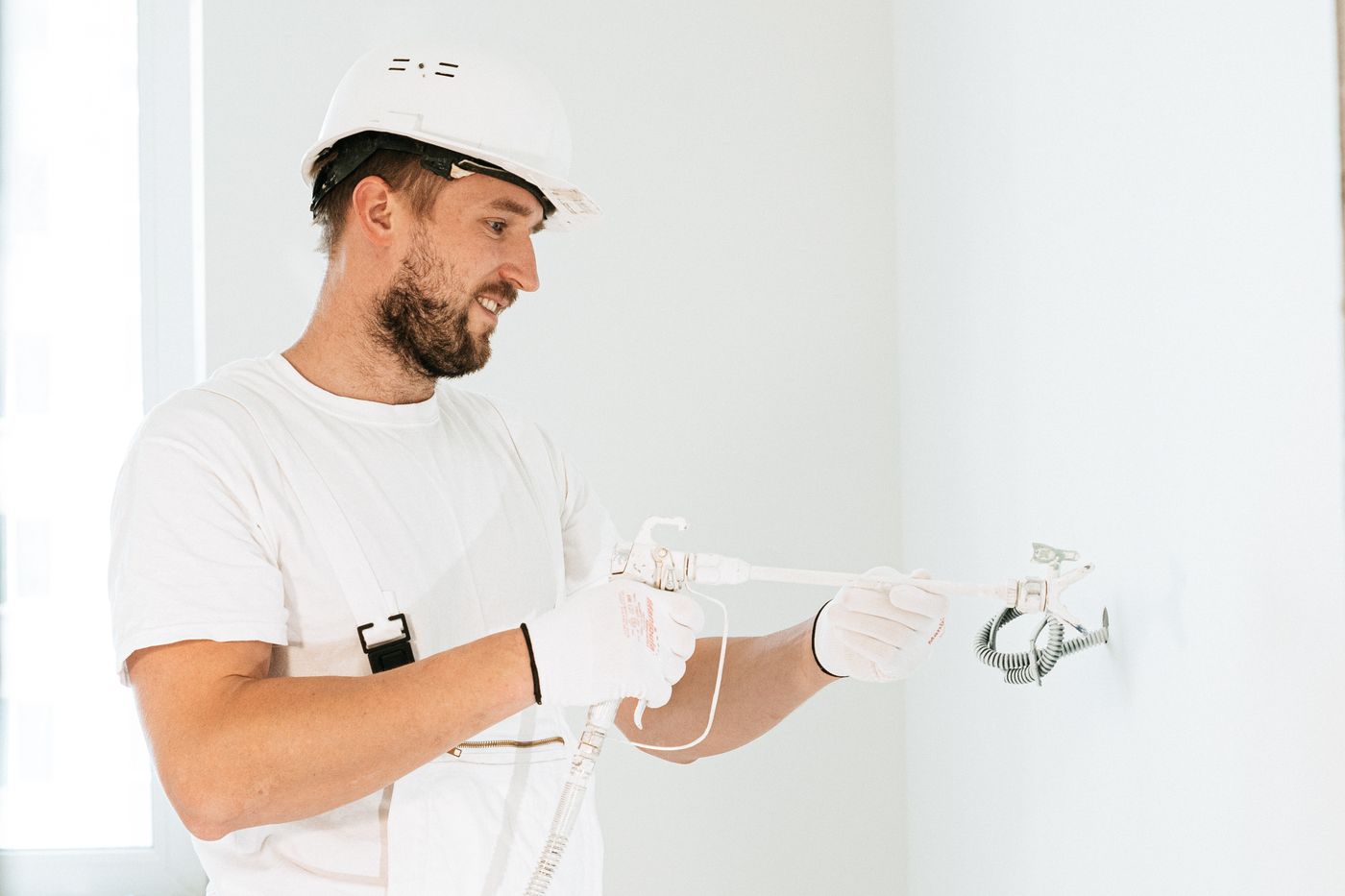
Monitoring sits alongside the other stages of an intruder alarm’s working life rather than replacing any of them. It is typically specified during installation or added afterwards, confirmed as working correctly once the system is commissioned, and checked as part of routine servicing, since a signalling path that has stopped reporting is a fault like any other and needs finding before it matters. Our commercial intruder alarms page covers how systems are designed, installed and maintained, including how we approach a system we did not originally install.
Want a price for your premises?
Speak to a fire safety expert
Talk it through with our team. We reply to every enquiry within 1 working day.
Monitoring across different types of premises
What a building needs from monitoring follows how it operates rather than its size alone. A distribution site with out-of-hours deliveries has a different occupancy pattern to a retail unit that empties out at closing, and a healthcare or hospitality site that is rarely fully unoccupied has different needs again. Our industries and premises pages set out how we approach fire and security provision for different types of commercial building.
Talk to us about monitoring your intruder alarm
Whether you are adding monitoring to an existing intruder alarm, reviewing an arrangement that came with a building you have taken on, or specifying a new system from scratch, we can talk through the options against how your premises actually operates. We work with commercial premises across Birmingham, Walsall, Worcester, Worcestershire, Gloucester, Gloucestershire, South Gloucestershire, Herefordshire, covering the areas detailed on our locations page. Contact us to discuss intruder alarm monitoring for your building.
Prefer us to look at it on site?
Speak to Chief Fire Safety
Tell us about your premises and what you need, and we will get back to you to arrange the next step.