
Wireless climate monitoring for commercial and heritage buildings
Wireless climate monitoring is a specialist monitoring service that tracks the environmental conditions inside a commercial building, mainly temperature and humidity, using battery-powered sensors that report back to a central hub without any cable run. It sits alongside the fire protection measures a commercial building already needs, but it answers a different question: not whether there is a fire, but whether the building’s own environment is quietly damaging the fabric, stock or contents inside it.
We fit it most often in heritage and listed buildings, where original timber, plasterwork, archives or fixtures are vulnerable to damp and temperature swings in a way a fire alarm was never designed to catch, and in commercial premises holding stock or materials that depend on stable conditions. Because it is wireless, sensors can be positioned wherever the risk actually is, without disturbing fabric that cannot be replaced or running cable through spaces where that would be impractical.
Get a free quote

Tell us about your premises
🔒 Free, no-obligation. We reply within 1 working day. No spam, ever.
- 20+ years’ experience
- Electrical Installation Certified
- ECS card holders
- JIB
- IPAF
- Constructionline
- Chamber of Commerce member
How this relates to your fire protection

Fire protection and climate monitoring do different jobs, and it helps to be clear about the difference before going further. A fire risk assessment identifies fire hazards and the measures needed to control them. A fire alarm system detects smoke or heat and warns people so they can get out. Neither is designed to notice a slow rise in humidity in an archive store or a roof void that has started letting moisture in, and climate monitoring was never designed to detect a fire.
Where a building already has a wireless fire alarm or intruder alarm fitted, climate sensors can sometimes share the same wireless infrastructure, so the building ends up with one coherent wireless network covering fire, security and environmental conditions rather than several disconnected systems. But the systems remain functionally separate. Climate monitoring complements a fire safety strategy; it does not form part of it, and it is not a substitute for the fire detection required under the Regulatory Reform (Fire Safety) Order 2005.
Have a question about your building?
What the system monitors
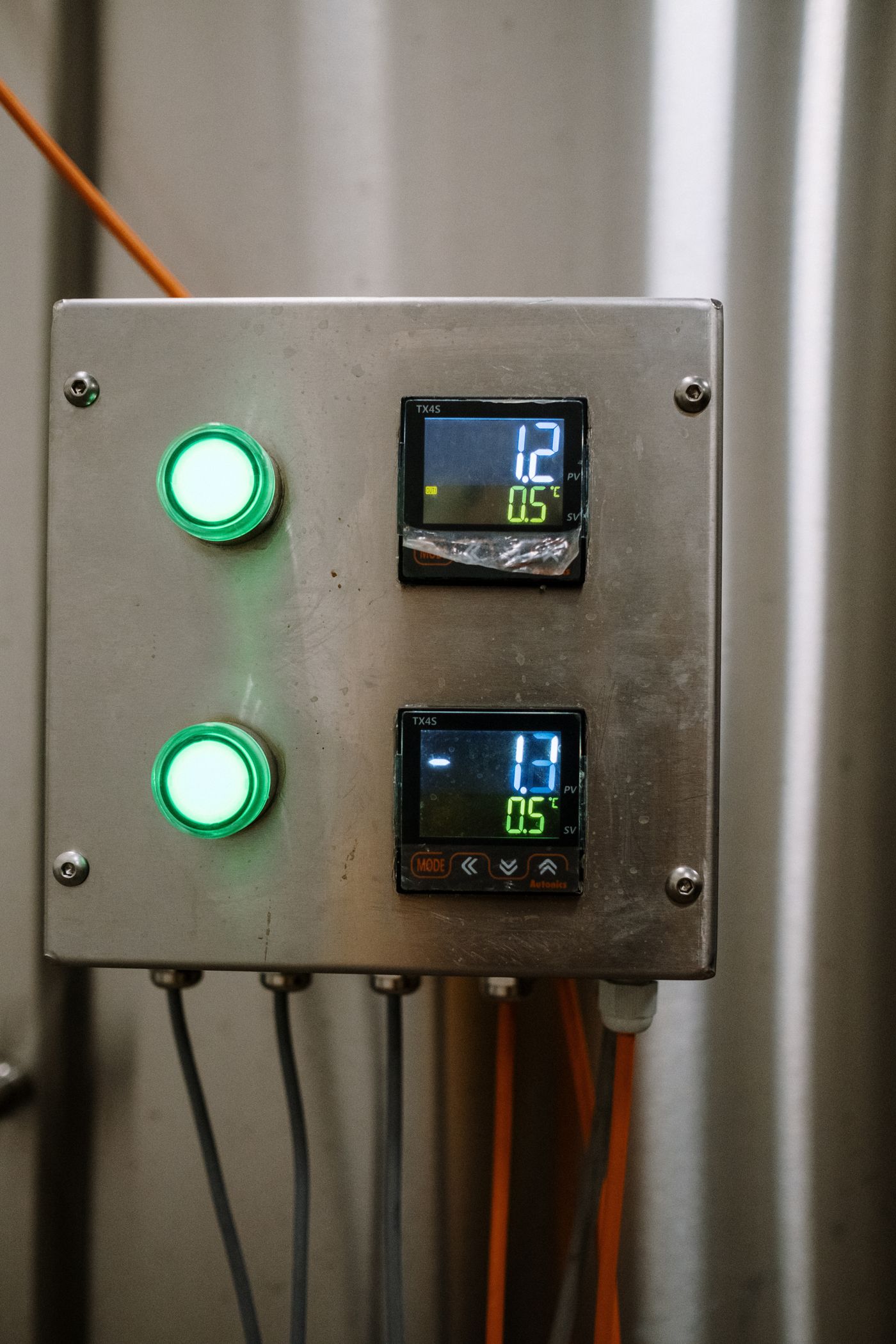
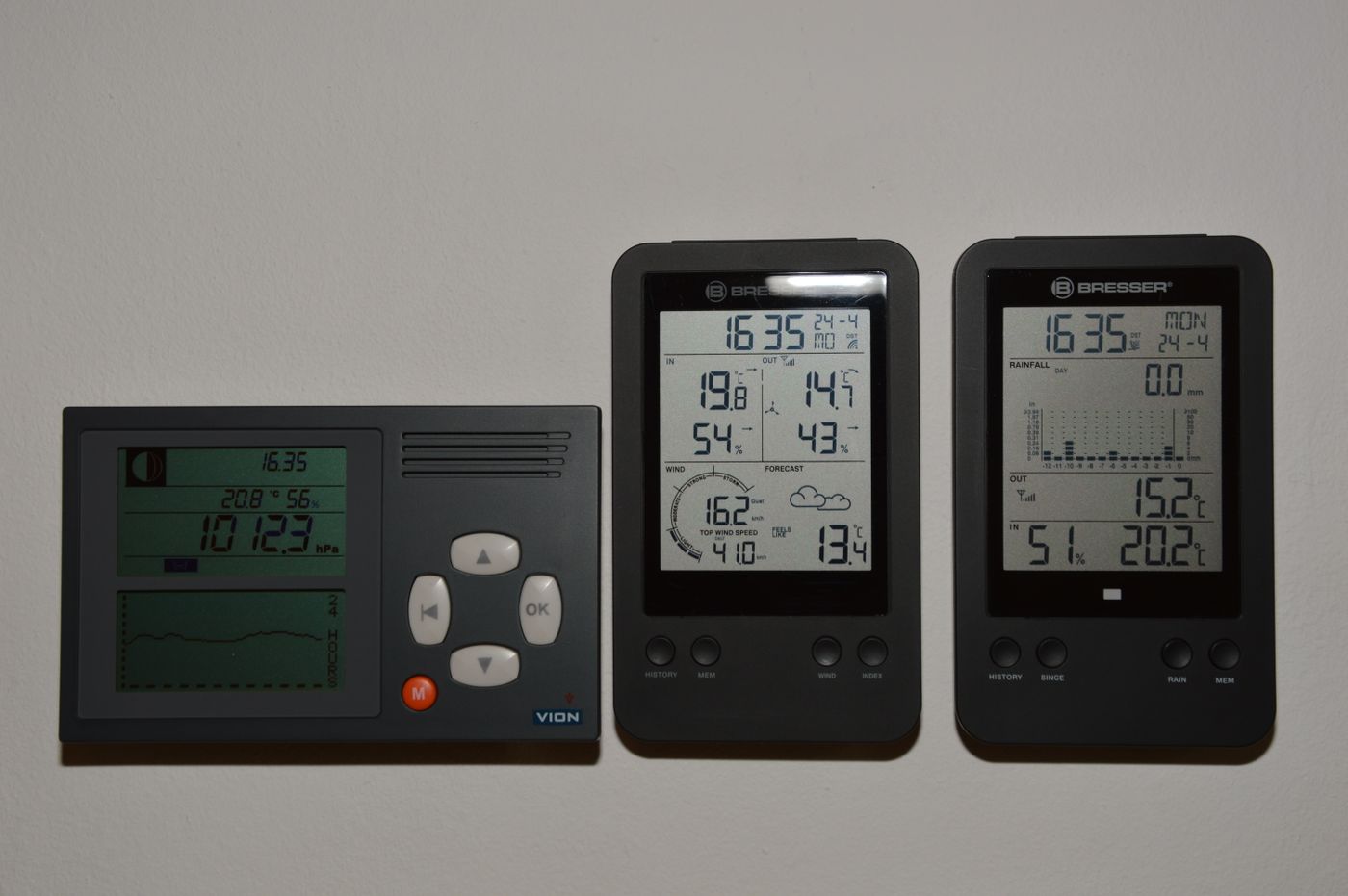
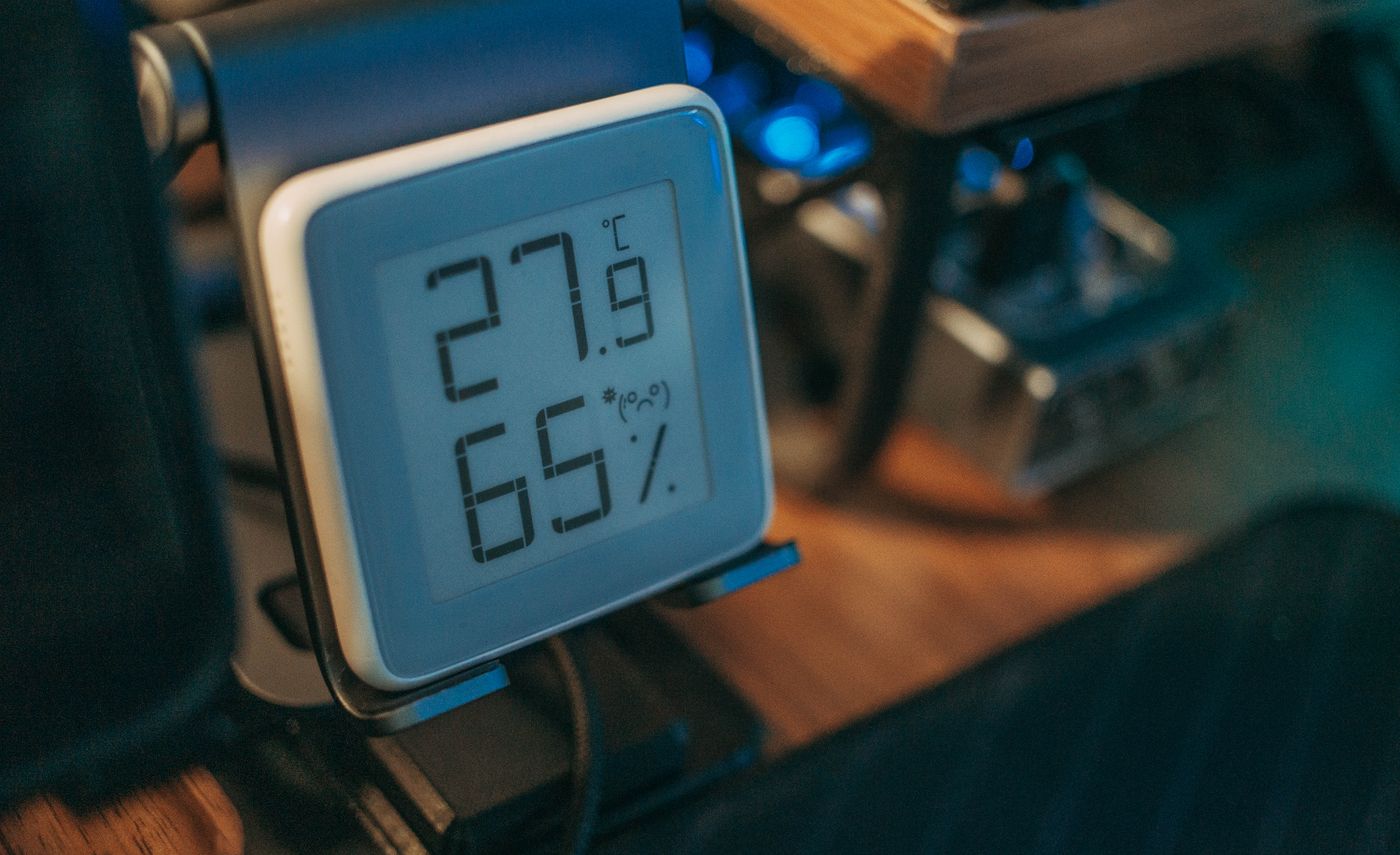
A typical installation tracks temperature and relative humidity throughout, and can extend to moisture or water-ingress detection where damp is the specific concern, such as a roof void, a basement store or a wall known to be prone to penetrating damp. Thresholds are set for each sensor so that an alert is raised as soon as a reading moves outside the range that space needs to stay within, rather than someone discovering a problem on a routine visit weeks later.
Readings are logged over time, not just captured at a single moment, so the system builds a picture of how a space actually behaves across days and seasons. A pattern of slowly rising humidity, or a room that consistently runs warmer than the rest of the building, is often more useful than any single reading, because it points to something worth investigating: a ventilation problem, a failing heating system, or a building defect letting moisture in. Sensor status, including battery condition and signal strength, is monitored too, so a fault with the monitoring system itself does not go unnoticed.
Not sure what your building needs?
Tell us about your premises and we will point you in the right direction. Free, no obligation.
Why this matters particularly in heritage buildings
A listed or older building is often holding exactly the kind of fabric, archives or fixtures that an unmanaged environment damages fastest: original timber and plasterwork that moves with humidity, historic materials with no tolerance for damp, collections that need stable conditions to survive. The relationship runs in one direction: the building’s age and construction create the environmental risk, and that risk is what monitoring exists to catch, early enough that an alert leads to a fix rather than a repair bill.
Because sensors are wireless, they can be fitted without chasing cable through fabric that cannot be replaced, using the same discreet, low-impact approach we bring to fire detection in listed buildings. Our heritage and listed building fire safety page covers that wider approach in more detail. Where a heritage building also holds an archive or collection that needs its environment kept stable, climate sensors extend the same principle to a requirement a fire alarm was never built to address.
Talk it through with someone who does this every day.
Commercial applications beyond heritage
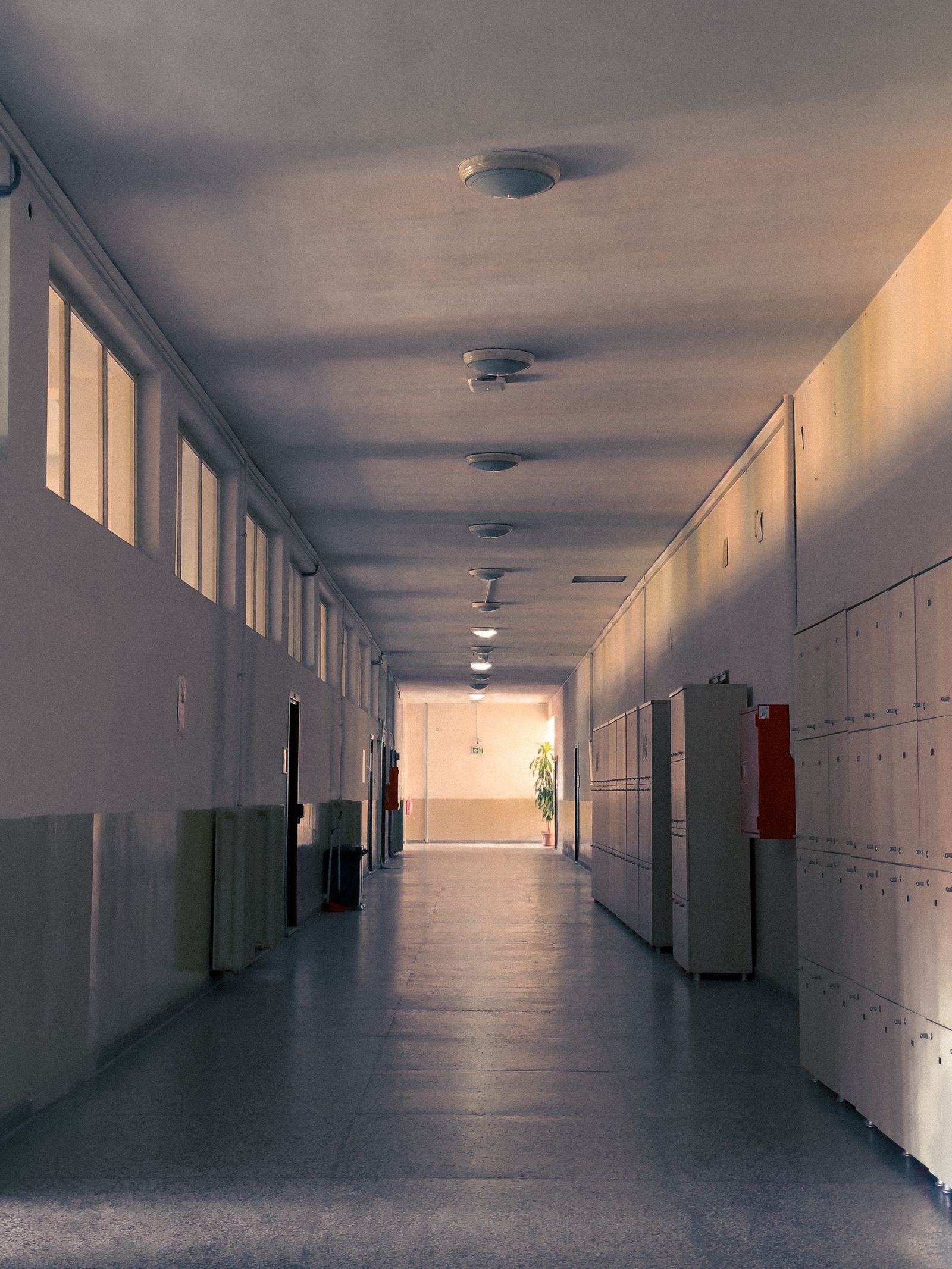
The same logic applies wherever a building’s contents, not just its occupants, are part of what needs protecting. That includes stored goods in a warehouse, materials held in an industrial unit, and records, archives or equipment that depend on stable conditions to avoid deterioration or loss of value. In each case the building or the stock inside it carries a genuine environmental risk, and monitoring exists to catch that risk before it becomes a loss. We cover the fire safety needs of different premises types on our industries and premises pages; climate monitoring is a relevant addition wherever that risk is real, not a default add-on for every building.
How the service works
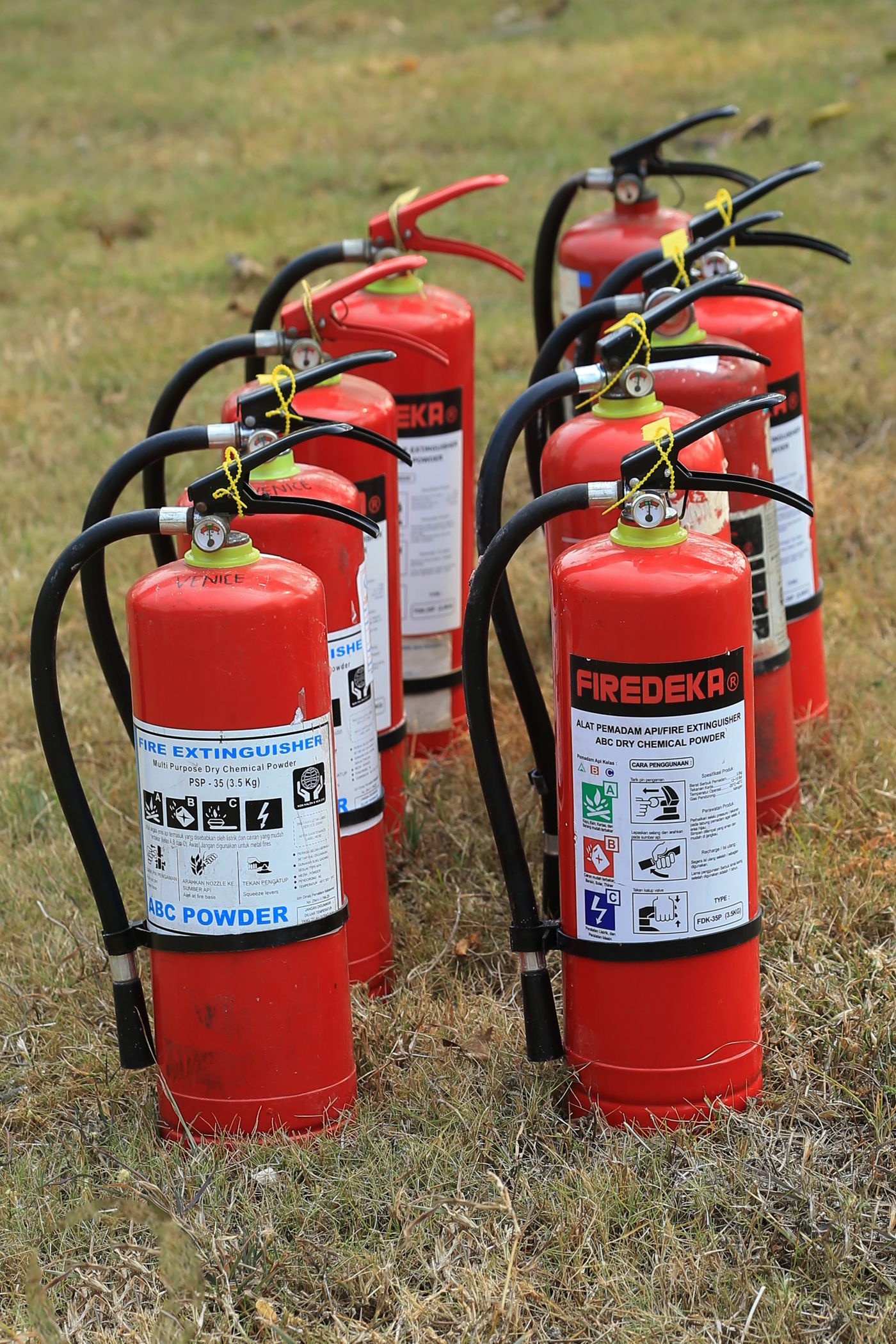
Installation starts with understanding the building: what needs monitoring, where the risk actually sits, and how readings should be reviewed and acted on once the system is live. From there the process runs assessment through to specification, sensor positioning, installation, configuration and ongoing monitoring, with maintenance built into the same visit as your fire or security servicing rather than treated as a separate arrangement to remember. Because this is a newer part of our service range, we discuss requirements in detail before recommending a system, so what gets fitted matches the building rather than a standard specification applied regardless of what it actually needs.
Want a price for your premises?
Speak to a fire safety expert
Talk it through with our team. We reply to every enquiry within 1 working day.
Is wireless climate monitoring right for your building?
It is worth considering if your premises holds sensitive building fabric or contents, if temperature or humidity has already caused a problem or a near-miss, if the areas that matter most are hard to check on a routine basis, or if you need an ongoing record of conditions rather than an occasional manual check. It is also the more practical option wherever running cable to reach the areas that need monitoring would be disruptive or undesirable, which is most heritage buildings and a fair number of modern ones too.
If any of that sounds like your building, tell us about it and we will talk through whether wireless climate monitoring is a proportionate addition alongside your fire and security systems, or whether your priority is better spent elsewhere first. We cover Worcester, Worcestershire, Gloucester, Gloucestershire, South Gloucestershire, Herefordshire, Birmingham and Walsall; see our locations coverage for more detail.
Speak to Chief Fire Safety
Tell us about your premises and what you need, and we will get back to you to arrange the next step.