What is a commercial fire risk assessment?
A fire risk assessment is a written examination of a building that identifies where a fire could start, who would be affected if it did, and whether the precautions already in place are enough to keep them safe. It is not a certificate and not a tick-box inspection. It is a judgement, made by looking at how a building is actually used, about the gap between the risk that exists and the protection needed to manage it.
If you are trying to work out what one actually involves before contacting anyone, this guide covers that. For the service itself, how we carry one out and what you receive at the end, see fire risk assessments.
Get a free quote

Tell us about your premises
🔒 Free, no-obligation. We reply within 1 working day. No spam, ever.
- 20+ years’ experience
- Electrical Installation Certified
- ECS card holders
- JIB
- IPAF
- Constructionline
- Chamber of Commerce member

What a fire risk assessment covers
Every fire risk assessment works through the same core questions, whatever the building.
Fire hazards. Anything in the building that could start a fire or help one spread: electrical equipment and wiring, heating and cooking appliances, smoking areas, flammable liquids or gases, and how combustible materials are stored. A hazard on its own is not automatically a problem. The assessment looks at how likely it is to cause ignition given how it is used and managed day to day.
People at risk. Staff, visitors, contractors and members of the public who might be in the building, with particular attention to anyone who would need help to evacuate, such as someone with a mobility or sensory impairment, or people unfamiliar with the layout, like customers in a shop or hotel guests. The number and type of people present has a direct bearing on how much warning and how much escape time a building needs.
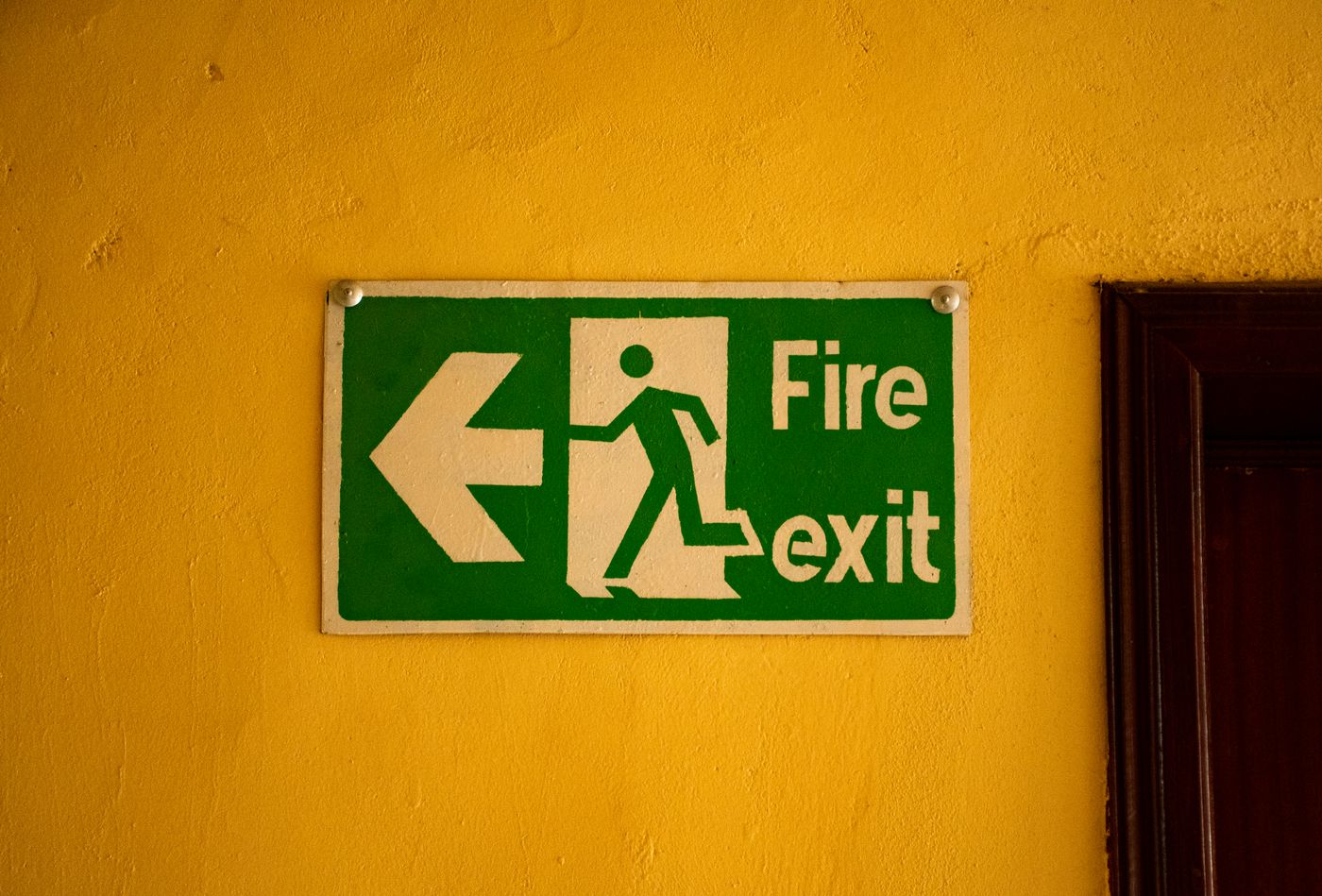
Existing fire precautions. What is already there to manage the risk: detection and alarm coverage, emergency lighting, fire doors, extinguishers, signage and staff training. The assessment checks each of these against the hazards and people identified, rather than assuming that because a system exists, it is adequate.
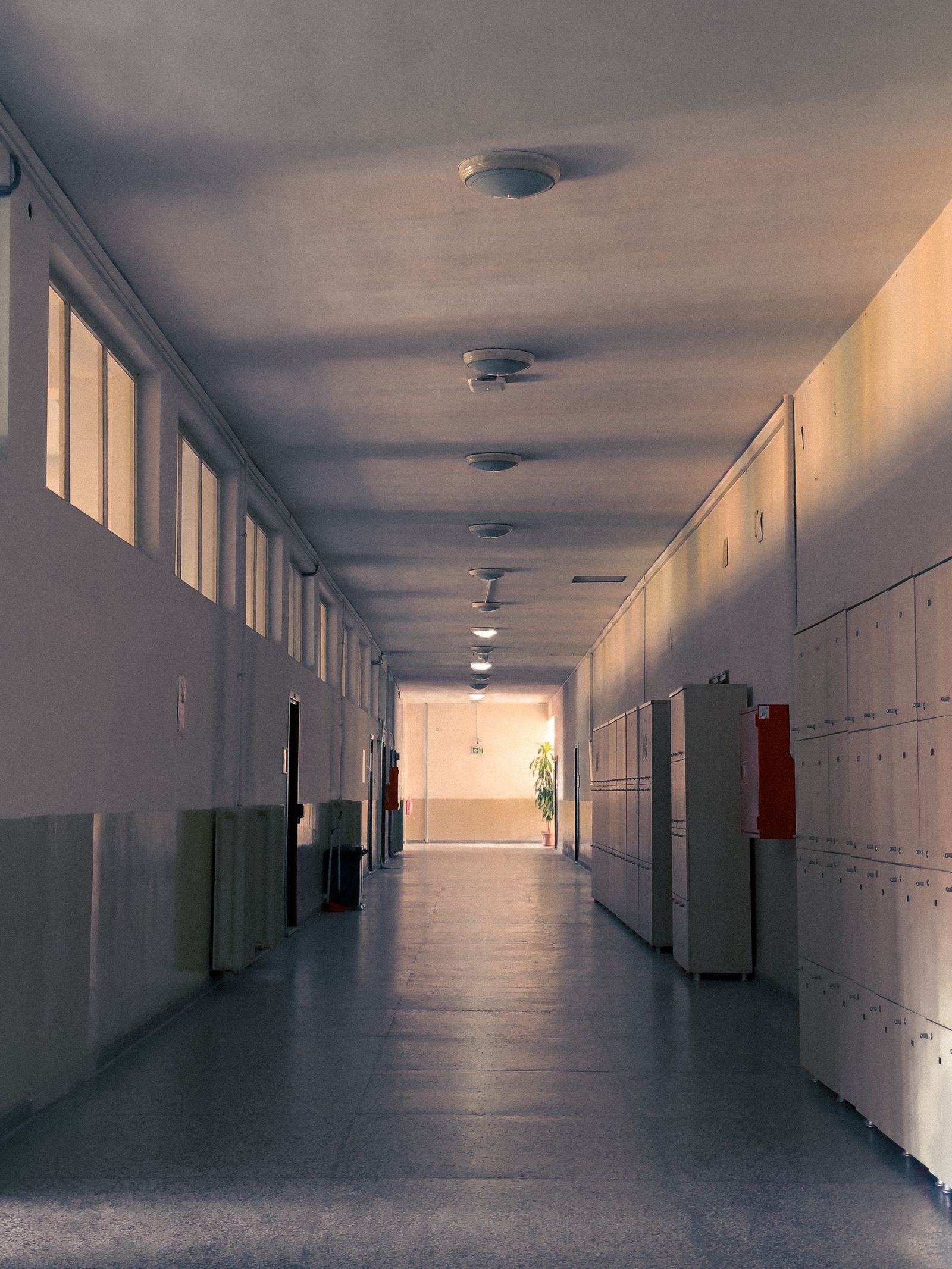
Means of escape. Whether people can get out safely if a fire does start: are escape routes clear and signed, do they lead somewhere safe, and would they still work if the fire started near the main exit rather than somewhere convenient. A building can have excellent detection and still fail this test if the route out is blocked by stock, locked, or too narrow for the number of people who would need to use it.
Findings across these areas are not separate line items. A stockroom packed with flammable packaging close to the only fire exit is a finding about hazards, people at risk and means of escape all at once, and a competent assessment treats it that way rather than filing it under one heading.
Have a question about your building?
How a fire risk assessment is structured
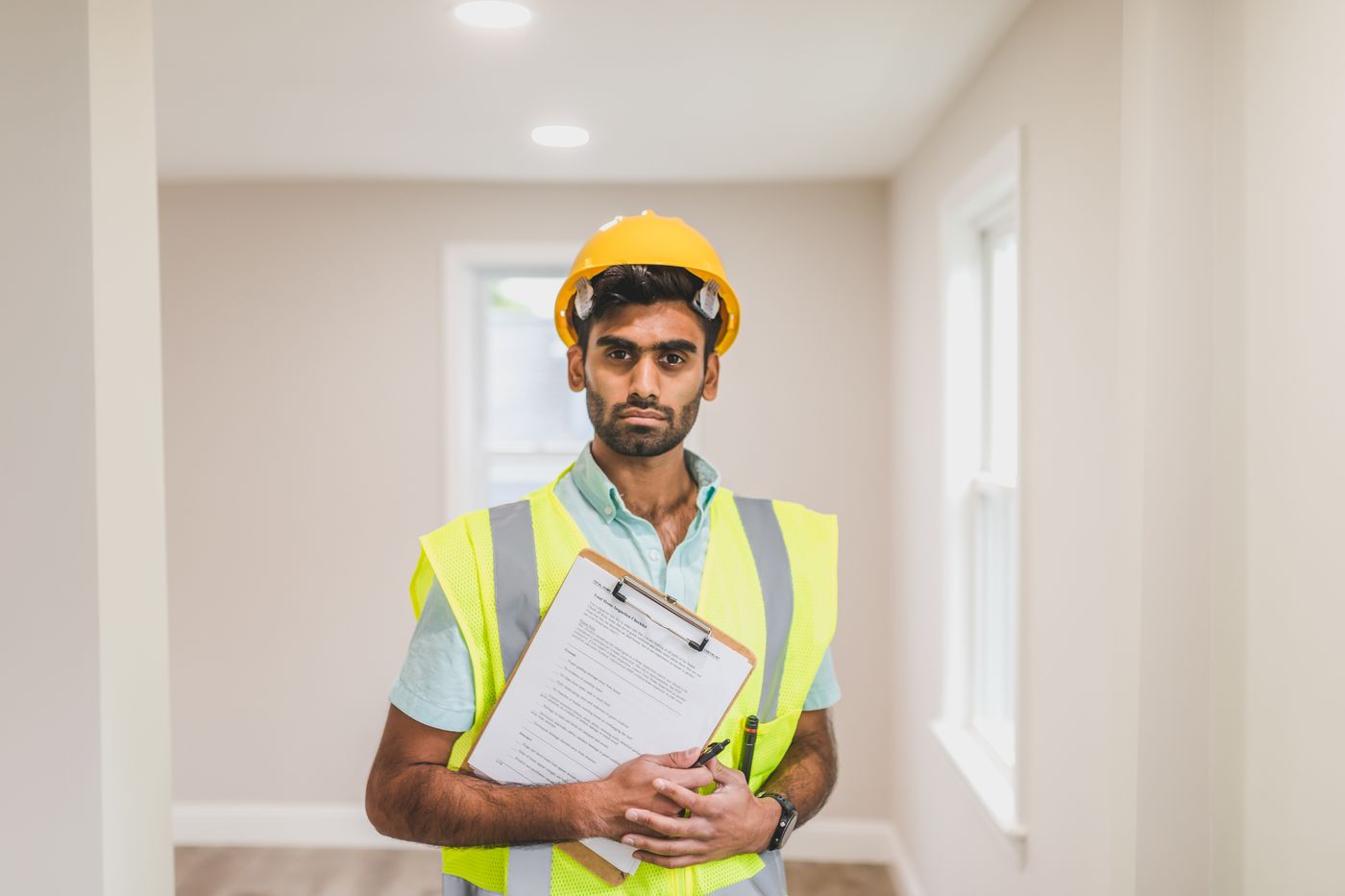
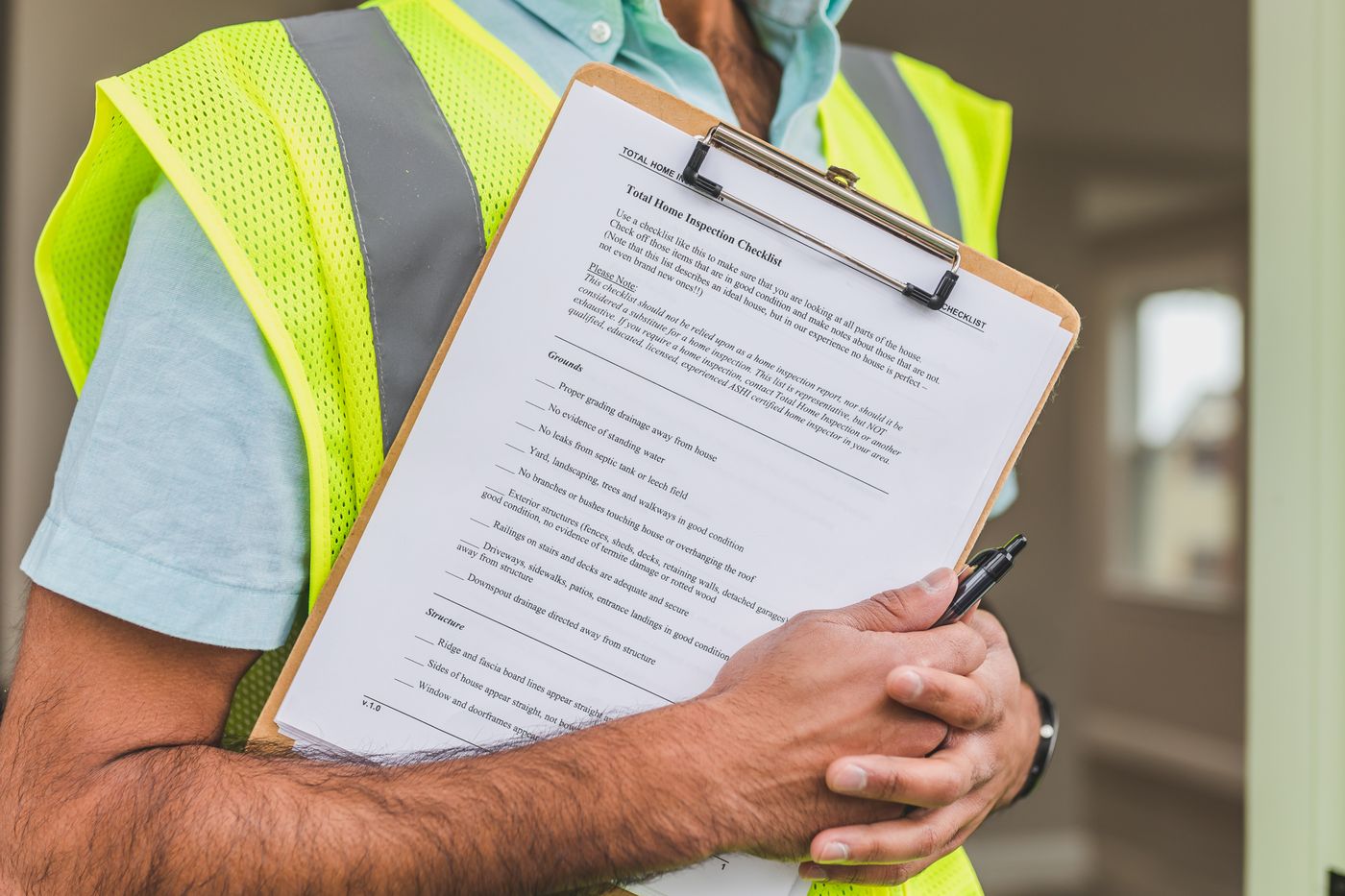
Fire risk assessments in England follow a recognised five-step approach: identify the hazards, identify who is at risk, evaluate and reduce the risk, record the findings, and review them. That structure shapes what ends up in the finished document, which typically includes:
- A description of the premises and how it is used.
- The significant findings from the site survey, covering hazards, people at risk and existing precautions.
- Photographs where they help explain a specific issue.
- An action plan setting out what needs addressing and in what order, so the most serious gaps are dealt with first rather than everything treated as equally urgent.
- A review date, or the trigger that should prompt an earlier review.
A report that lists observations without prioritising them is of limited use to whoever has to act on it. The value of the document is in the judgement it makes about what actually matters, not the length of it.
Not sure what your building needs?
Tell us about your premises and we will point you in the right direction. Free, no obligation.
Who carries out a fire risk assessment
Anyone with the right knowledge, training and experience can carry out a fire risk assessment, and the law does not require a specific qualification or a named professional body membership. What it does require is competence: enough understanding of fire behaviour, the building type, and the relevant guidance to make a judgement that would stand up to scrutiny.
For a small, simple premises with an obvious layout and few occupants, a responsible person with some training may be able to complete their own assessment. For anything more complex, such as a multi-let building, a site with vulnerable occupants, or premises with an unusual layout or process, most organisations bring in someone who does this professionally, because getting it wrong carries real consequences if a fire does happen. Working out exactly who holds the legal duty in a shared or leased building is a separate question, covered in our guide on who is responsible for fire safety.
Talk it through with someone who does this every day.
What “suitable and sufficient” means in law

Under the Regulatory Reform (Fire Safety) Order 2005, the responsible person for non-domestic premises in England, usually the employer, or the owner or person in control of the building, has a legal duty to make a “suitable and sufficient” assessment of the fire risk and to keep it under review. The Order does not prescribe a fixed format for the assessment, but it does require the judgement behind it to be proportionate to the building and the people in it. An assessment that misses an obvious hazard, or that treats a high-occupancy public building the same as a small back office, would not meet that standard.
Since 1 October 2023, changes made by section 156 of the Building Safety Act 2022 require the responsible person for any non-domestic premises to record the fire risk assessment in full, along with the fire safety arrangements in place, regardless of how many people are employed there. Where someone else is appointed to carry out or review the assessment, their name and organisation must be recorded too. Before this change, only employers with five or more staff were required to keep a written record, which meant smaller premises could rely on an assessment that existed only in someone’s head. That gap has now closed.
An assessment is also expected to be kept current. A significant change to the building, such as a refurbishment, a change of use, a new process introduced on site, or a fire or near miss, should prompt a review rather than waiting for a routine date to come round.
Where this leads next
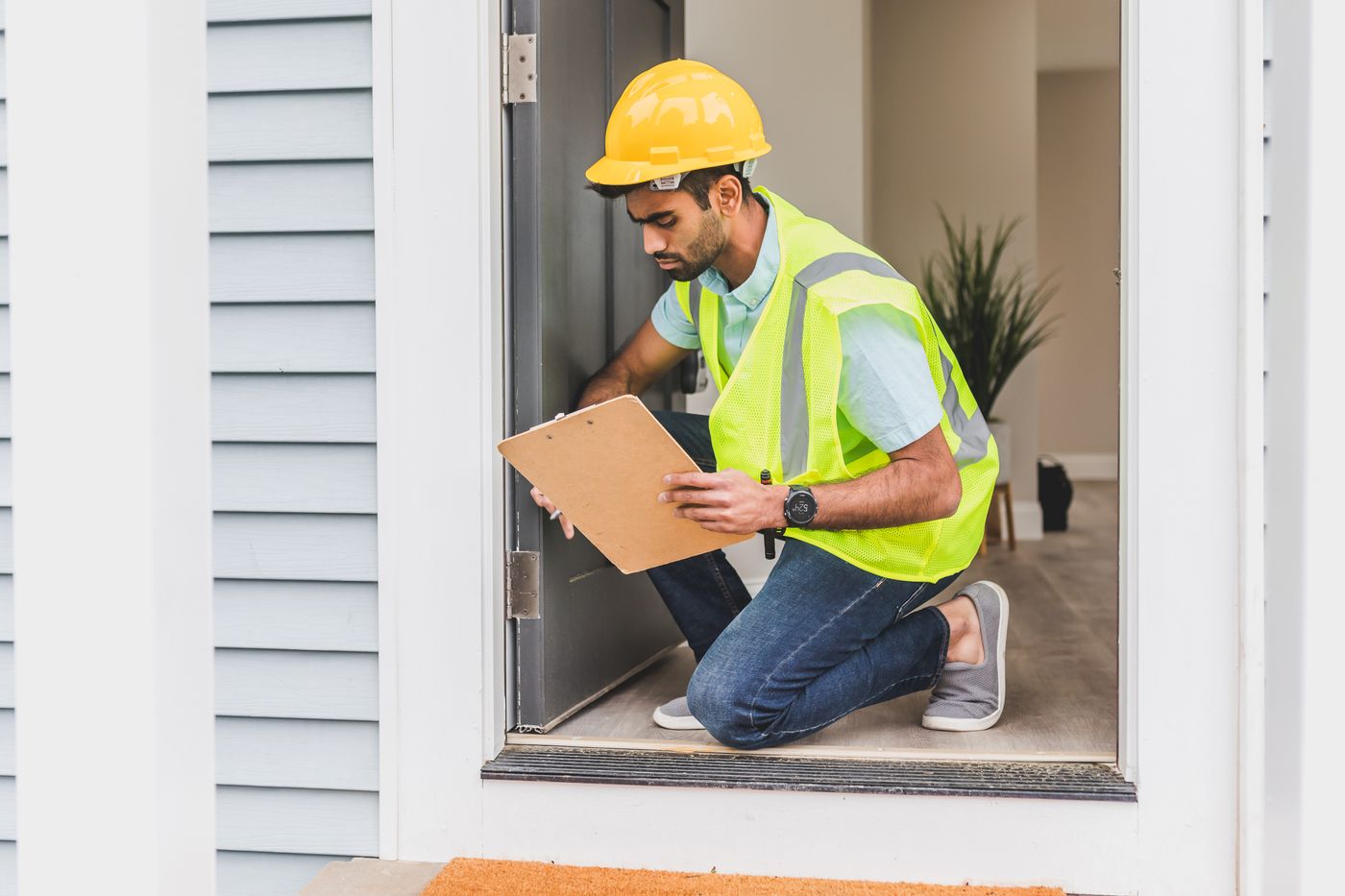
Understanding what a fire risk assessment covers is the starting point. What it finds in your building depends on how the premises is used: our industries and premises section explains how the same core questions apply differently to an office, a warehouse, a care setting or a retail unit. Once you have a sense of what applies to you, our fire risk assessment service covers how we carry one out, from the site survey through to the written report and action plan, and our fire safety page sets out how the assessment connects to alarms, doors, lighting and extinguishers across a building.
Want a price for your premises?
Speak to a fire safety expert
Talk it through with our team. We reply to every enquiry within 1 working day.
Common questions
What does a fire risk assessment cover? Fire hazards and ignition sources, the people who could be affected, the fire precautions already in place, and whether the escape routes actually work for the people who would need to use them. See the breakdown above for what each of these involves in practice.
Who can carry out a fire risk assessment? Anyone competent to do so, meaning they have the knowledge and experience to judge the risk accurately. There is no mandatory qualification, though most organisations with anything beyond a simple, low-risk premises bring in someone who carries out assessments professionally.
Do I need one if I only employ a few people? Yes. The legal duty to carry out a suitable and sufficient fire risk assessment applies regardless of how many staff you employ, and since October 2023 the assessment has to be recorded in writing whatever the size of the workforce.
How often does a fire risk assessment need reviewing? There is no single fixed interval set out in law. It needs reviewing regularly and whenever something changes that could affect the findings, such as a refurbishment, a change of use, or an incident that suggests the existing precautions were not adequate.
If you would rather talk through what your building needs than read further, get in touch through our contact form and we will take it from there.
Speak to Chief Fire Safety
Tell us about your premises and what you need, and we will get back to you to arrange the next step.