
Who is responsible for fire safety?
Fire safety law in England and Wales does not name a job title. It names a role, “the responsible person”, and attaches the legal duty to whoever fits that role in a given building. In a single-occupier office that is usually straightforward. In a shared building, a multi-let unit or a site with a managing agent, it takes a bit more working out, and getting it wrong matters, because the duty does not move to whoever happens to be easiest to blame after an incident.
This guide sets out where the duty comes from, who it falls on, and what it actually requires. For how we carry out the assessment itself, see fire risk assessments, and for what a fire risk assessment document actually contains, see our commercial fire risk assessment guide.
Get a free quote

Tell us about your premises
🔒 Free, no-obligation. We reply within 1 working day. No spam, ever.
- 20+ years’ experience
- Electrical Installation Certified
- ECS card holders
- JIB
- IPAF
- Constructionline
- Chamber of Commerce member



The law behind the responsible person

The duty comes from the Regulatory Reform (Fire Safety) Order 2005, the main piece of fire safety legislation for non-domestic premises in England and Wales. It applies to almost every workplace and commercial building, including offices, shops, warehouses, industrial premises, schools, care settings and hospitality venues, and it also applies to the common parts of multi-occupied residential buildings, such as shared corridors, stairwells and entrance areas.
The Order does not apply to a single private dwelling occupied by one household. It applies everywhere else, from a one-person consultancy in a small office to a large distribution warehouse, and the standard it sets does not vary with the size of the business. A small premises still needs a suitable and sufficient assessment of its risk, proportionate to what that risk actually is.
Have a question about your building?
Who counts as the responsible person
Article 3 of the Order defines the responsible person in three ways, and which one applies depends on how the premises is occupied and used.
The employer, where the workplace is to any extent under their control. If you run a business from premises your company occupies, you are very likely the responsible person for the parts of the building your staff work in.
The person in control of the premises, where that control is connected to running a trade, business or other undertaking, whether or not it is run for profit. This covers situations where the person or organisation managing a building is not the employer of everyone working in it, such as a managing agent running a multi-let office block, or an operator responsible for a site’s day-to-day management.
The owner, as a fallback, where the person in control of the premises does not hold that control in connection with a trade or business. This applies less often in commercial settings, but it can matter for premises that are vacant, or where control genuinely sits with nobody actively running a business from the building.
More than one of these can apply to the same building at once, for different parts of it. A shopping centre, a serviced office building or an industrial estate with shared yards and access roads typically has several responsible persons, each holding the duty for the part of the premises they actually control.
Not sure what your building needs?
Tell us about your premises and we will point you in the right direction. Free, no obligation.
Shared, multi-let and multi-tenant buildings

This is where the responsible person question gets asked most often, because a single building can have a landlord, a managing agent and several tenants, and none of them holds the whole duty on their own.
The general pattern is that each occupier is the responsible person for the space they control and use for their own business, such as the inside of their unit, office suite or shop. The landlord or managing agent is usually the responsible person for the parts nobody individually occupies: shared corridors and stairwells, plant rooms, service yards, car parks and, in a shopping centre, the mall itself. We cover this split in more detail for one specific setting in our retail fire safety guide, where it comes up between a shop unit and the wider centre it sits in.
The Order does not leave these parties to work it out informally. Where two or more responsible persons share a building, they are required to cooperate with each other and coordinate their fire safety measures, including making sure an alarm activation or an evacuation in one part of the building is understood and acted on by the others. A tenant’s fire risk assessment should state plainly what it covers, so nobody assumes the landlord has assessed the plant room or the landlord assumes the tenant has assessed the fire doors onto the shared corridor.
If you lease your premises, check your lease alongside the fire risk assessment. Repairing obligations and maintenance responsibilities for shared systems are often set out there, and they need to line up with who is actually carrying out the fire safety duties in practice.
Talk it through with someone who does this every day.
What the responsible person has to do
Holding the role brings a defined set of duties, not just the initial assessment.
Carry out, or arrange for a competent person to carry out, a suitable and sufficient fire risk assessment of the premises, covering the hazards present, who could be at risk from them, and whether existing precautions are adequate. Our fire risk assessment service covers what that involves in practice.
Put in place and maintain appropriate fire safety measures based on what the assessment finds, which typically spans detection and alarm systems, emergency lighting, fire doors and compartmentation, and the right extinguishers for the risk. Our fire safety overview explains how those measures work together across a building.
Plan for an emergency, including an evacuation procedure that reflects how the building is actually used and who is in it, and review that plan as circumstances change.
Provide relevant persons, meaning staff and anyone else who could be affected, with information, instruction and training appropriate to the risks identified, so people know what to do if the alarm sounds.
Keep the fire risk assessment under review, and review it again after any significant change to the building or how it is used, such as a refurbishment, a change of use, or an incident that suggests the existing precautions were not enough.
Appointing a competent assessor or a fire safety contractor to help with any of this does not transfer the underlying legal duty. The responsible person remains accountable for making sure the work is done properly, even where someone else has been brought in to do it.
The written record requirement
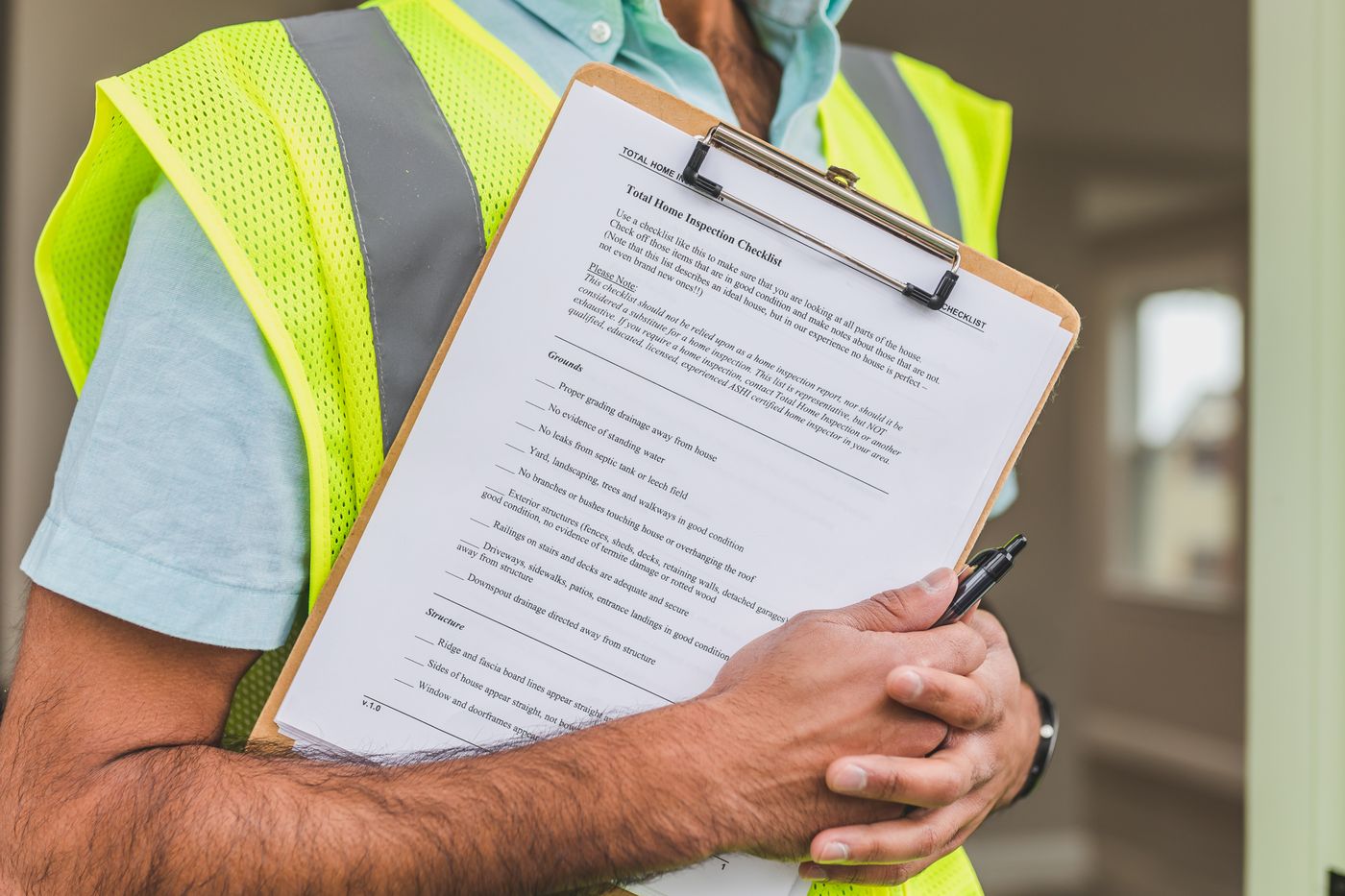
Since 1 October 2023, changes made by section 156 of the Building Safety Act 2022 require the responsible person for any non-domestic premises to record the fire risk assessment in full, along with the fire safety arrangements in place, regardless of the number of people employed. Where someone is appointed to carry out or review the assessment on the responsible person’s behalf, their name and organisation must also be recorded. Before this change, only employers with five or more staff had to keep a written record as a matter of course, which meant a small premises could rely on an assessment that was never properly written down. That gap has closed, and every responsible person now needs a documented assessment on file, whatever the size of the business.
Want a price for your premises?
Speak to a fire safety expert
Talk it through with our team. We reply to every enquiry within 1 working day.
Common questions

Can responsibility be shared? Yes, and in a multi-occupied building it usually is. Each responsible person holds the duty for the part of the premises they control, and where those parts overlap or interact, the Order requires them to cooperate and coordinate rather than assume someone else has it covered.
What if I rent my premises? You are very likely the responsible person for the space you occupy and control, even as a tenant, while your landlord or managing agent typically holds the duty for shared parts of the building. Your lease should set out where maintenance and repair responsibilities sit for anything shared, and it is worth checking that against your fire risk assessment rather than assuming.
What happens if I do not comply? The local fire and rescue service acts as the enforcing authority and can inspect premises, request the written fire risk assessment, and take action where it finds serious failings. That can range from informal advice through to a formal enforcement notice requiring specific improvements, or in more serious cases a prohibition notice restricting or stopping use of part or all of the premises until the risk is addressed. Non-compliance is a legal matter, not just a paperwork gap, and it is treated accordingly by enforcing authorities.
Get clarity on where your duty sits
If you are not sure whether you hold the responsible person duty for your building, or where your responsibility ends and a landlord’s or managing agent’s begins, get in touch through our contact form with a few details about the premises and how it is occupied. We can talk you through what applies to your situation and, where you need one, arrange a fire risk assessment that states clearly what it covers. We work with responsible persons across Birmingham, Walsall, Worcester, Worcestershire, Gloucester, Gloucestershire, South Gloucestershire and Herefordshire.
Prefer us to look at it on site?
Speak to Chief Fire Safety
Tell us about your premises and what you need, and we will get back to you to arrange the next step.